Water Damage Restoration Stillwater, MN
A pipe release, rising river or roof opening can send water far beyond the first visible mark. Restoration crews trace that movement, extract liquid and verify drying with readings.
(888) 399-5795Map the water damage nowZIP 55082, from Downtown Stillwater and North Hill to Millbrook.
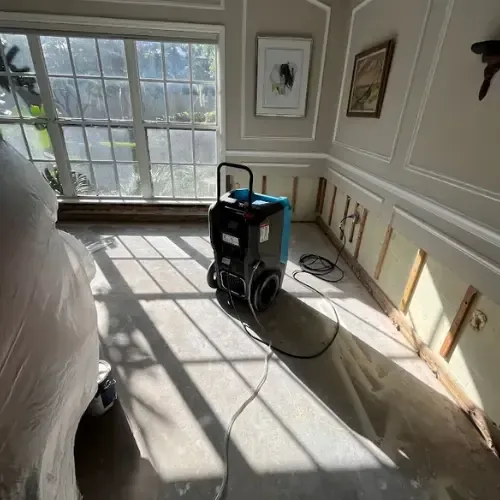
Protect people, evidence and unaffected rooms first
- 1
Leave hazards alone
Keep everyone away from wastewater, unstable ceilings, wet electrical components and outside water that has entered the building.
- 2
Control indoor plumbing
Close the appropriate shutoff if the loss is from a supply pipe and the valve can be reached without crossing danger.
- 3
Keep dry areas separate
Avoid carrying wet belongings or tracking residue through unaffected rooms, especially when the source may include sewage or outdoor water.
- 4
Create a photo record
When conditions permit, photograph the source, water edge, damaged contents and adjoining finishes before the scene changes.
- 5
Share useful details
Tell the restoration team when water was noticed, whether flow continues and which levels or rooms show visible effects.
A practical service for each kind of loss
The entry point, water category and affected construction shape the response. These services address the distinct ways water reaches a property and its contents.
 Common in Stillwater
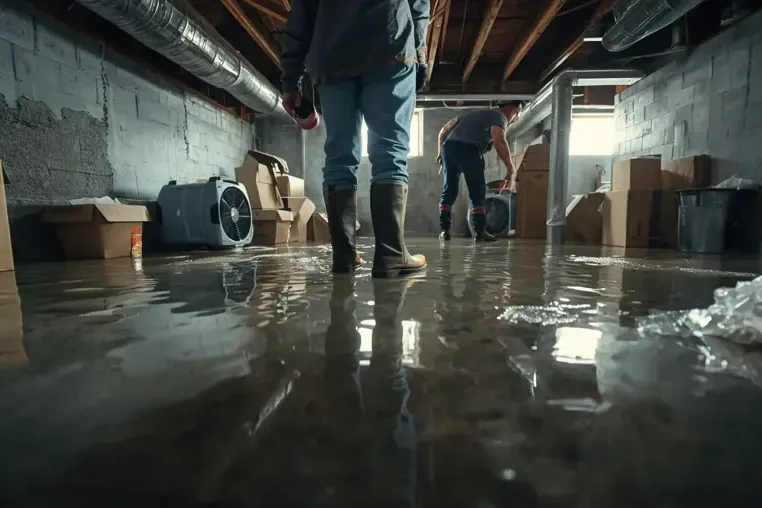
Storm and Flood Cleanup
River rise, rain and thaw can introduce outdoor water and debris. Crews establish boundaries, recover standing water and evaluate contaminated materials before cleaning and drying.
See storm and flood cleanup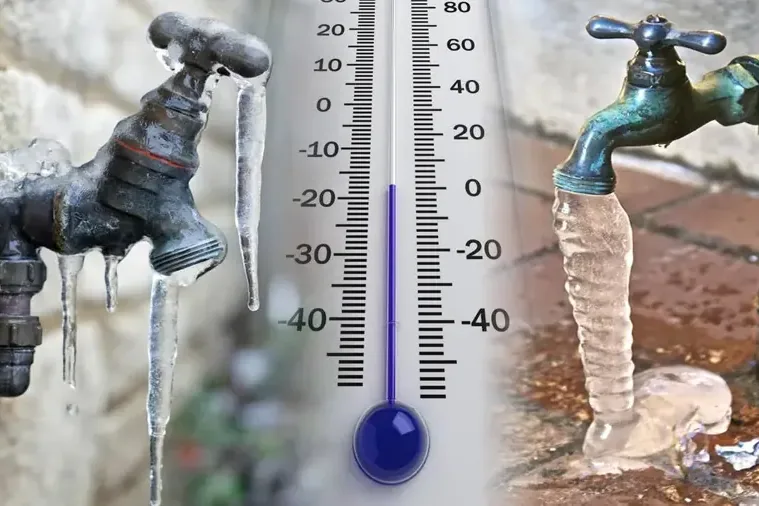 Common in Stillwater
Frozen Pipe Water Damage
Extended cold can stop flow and split concealed plumbing. Inspection follows the release through wall cavities, lower rooms, insulation and finished surfaces.
See frozen pipe water damage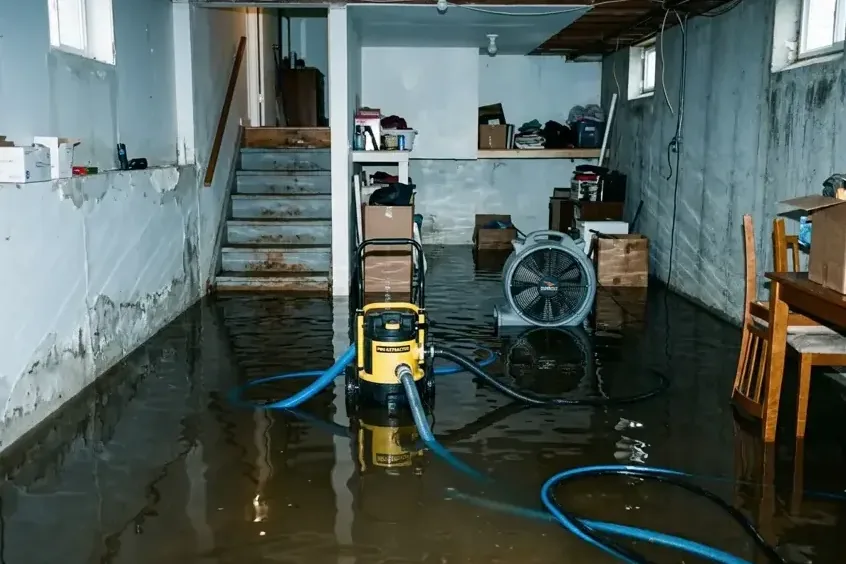
Basement Flood Cleanup
Lower level flooding may begin with drainage, plumbing or outside water. The source and contamination level determine pumping, cleaning, removal and drying choices.
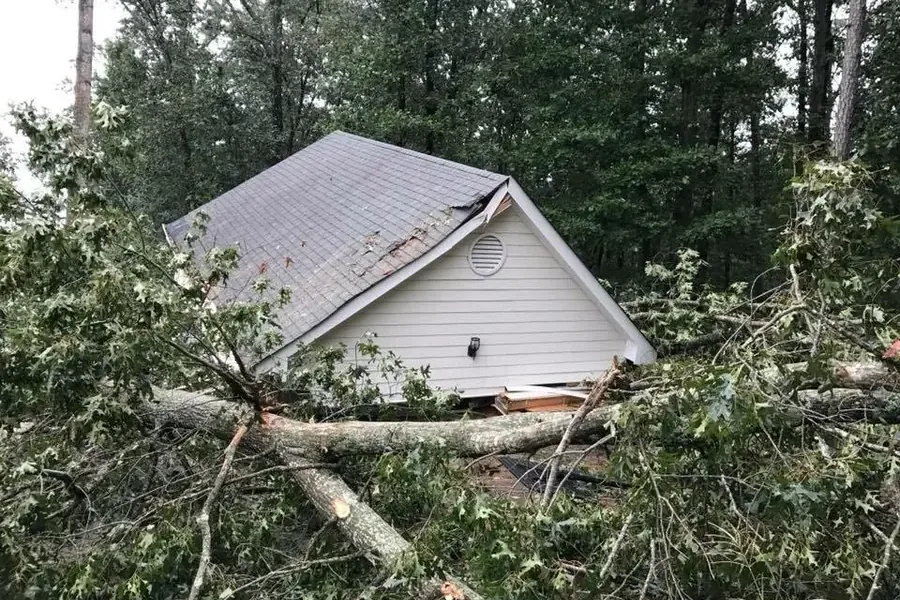
Roof Leak Water Damage
Snow, ice and driven rain can pass through roof details into an attic. Moisture mapping follows the route through insulation, framing and ceiling finishes.
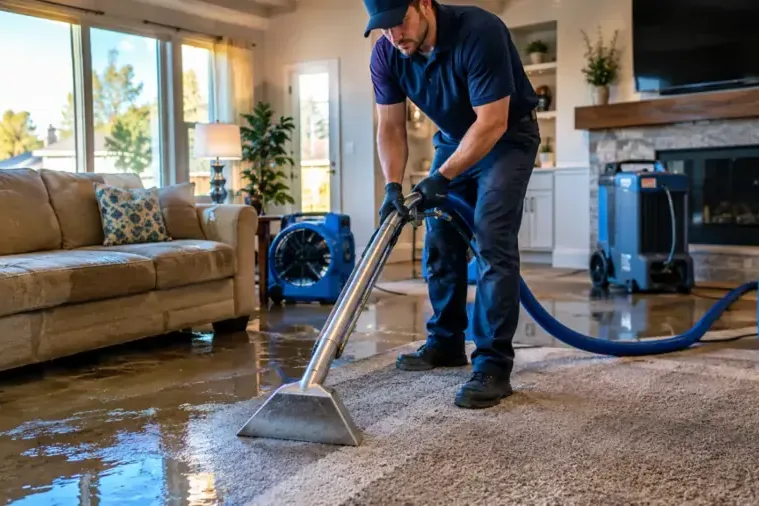
Emergency Water Extraction
Standing water is recovered from reachable surfaces and floor layers. Crews keep checking adjoining rooms because liquid can travel under finishes beyond the original puddle.
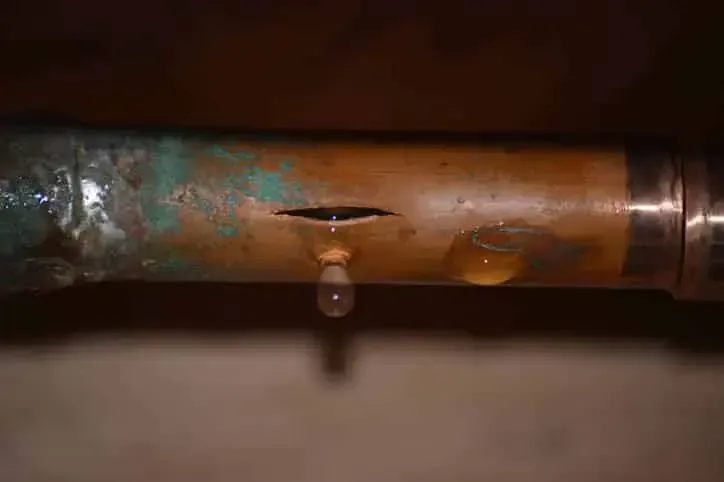
Burst Pipe Water Damage
A failed supply pipe may wet several rooms before its valve is closed. Restoration tracks the downward path and opens access only where evidence supports it.
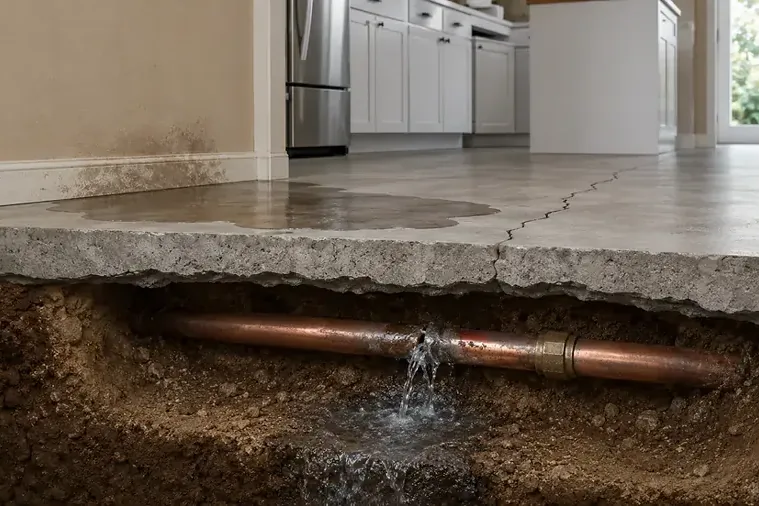
Slab Leak Water Damage
A pipe leaking beneath a concrete slab can wet flooring from below. Plumbing tests locate the break, while moisture readings show where floor layers need access and drying.
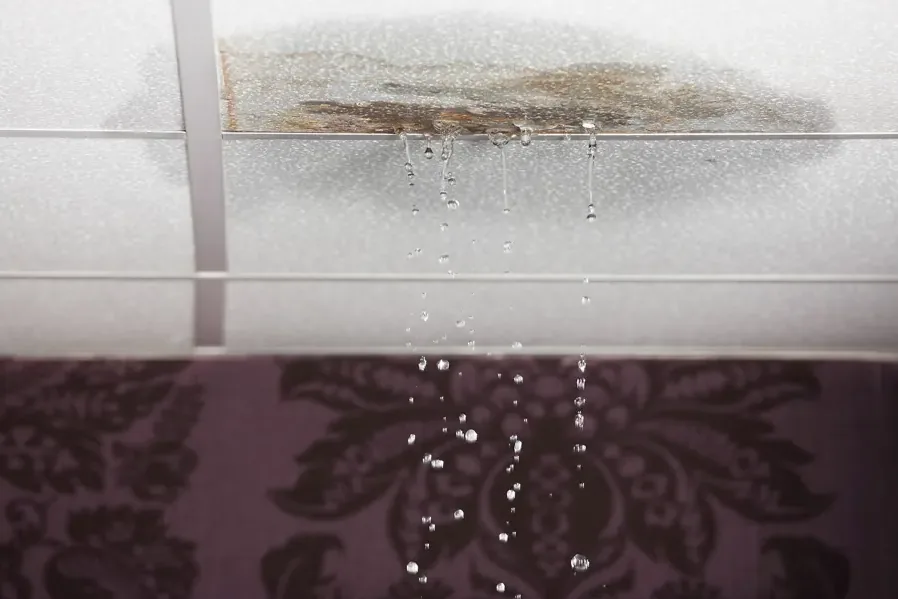
Ceiling Leak Water Damage
Ceiling discoloration can start at plumbing above or a roof opening. The response confirms the source, checks stability and assesses insulation and framing hidden overhead.
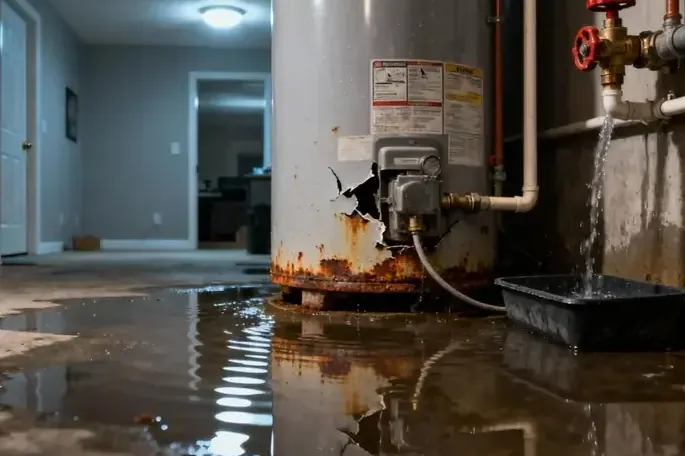
Water Heater Leak Cleanup
Tank or connection failures can spread across utility spaces and into nearby wall bottoms. Extraction and readings establish how far the release reached.
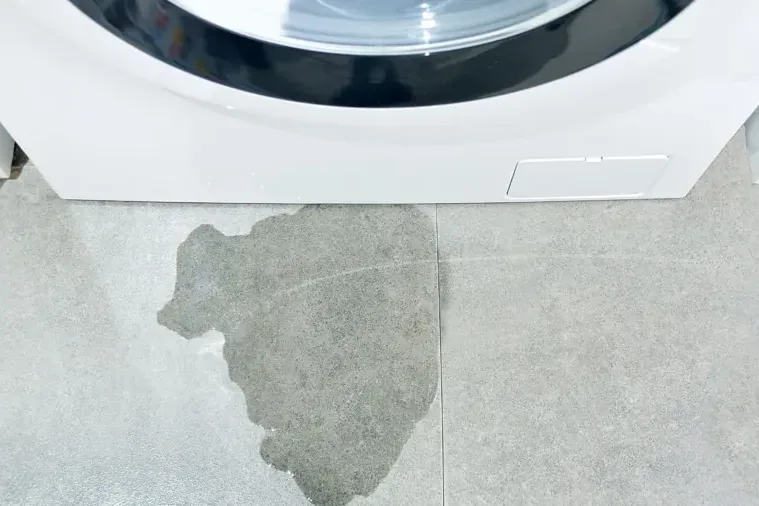
Appliance Leak Water Damage
A washer, refrigerator or dishwasher leak can hide below cabinets and coverings. Checks extend through toe kicks, flooring seams and any room beneath the appliance.
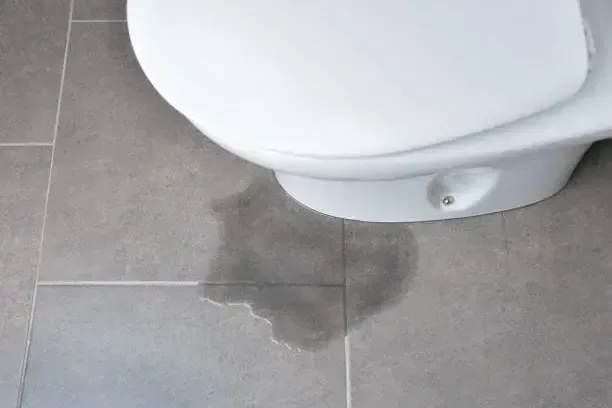
Bathroom and Shower Leak Water Damage
Toilets, tubs, showers and supply fittings create different paths. Testing focuses on fixture edges, subfloor layers, adjoining walls and the ceiling below when applicable.
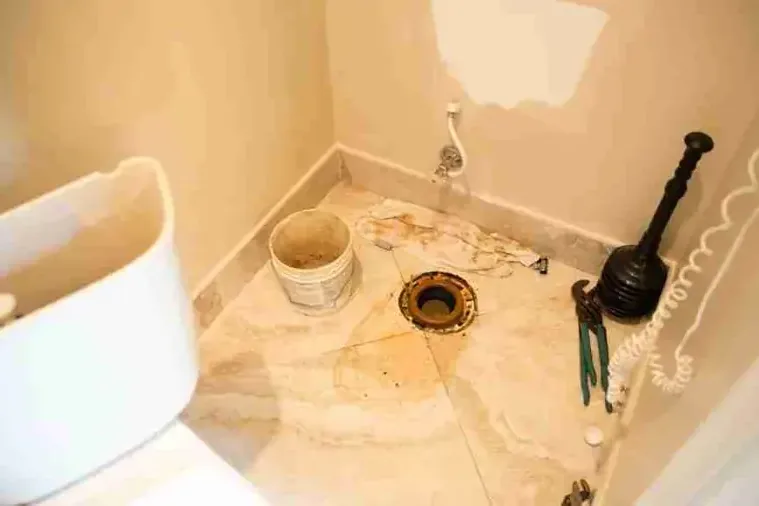
Sewage Backup Cleanup
Wastewater calls for restricted access, protective controls and removal of contaminated porous material. Remaining cleanable surfaces receive an appropriate treatment and documented evaluation.
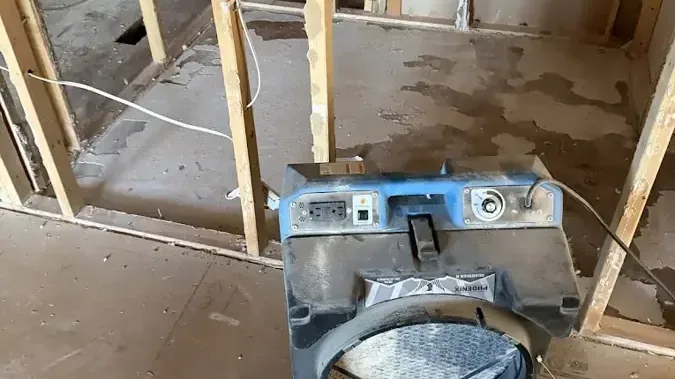
Structural Drying and Dehumidification
Framing and subfloor can remain damp after surfaces look clear. Equipment placement changes as repeated measurements show where moisture is still leaving the assembly.
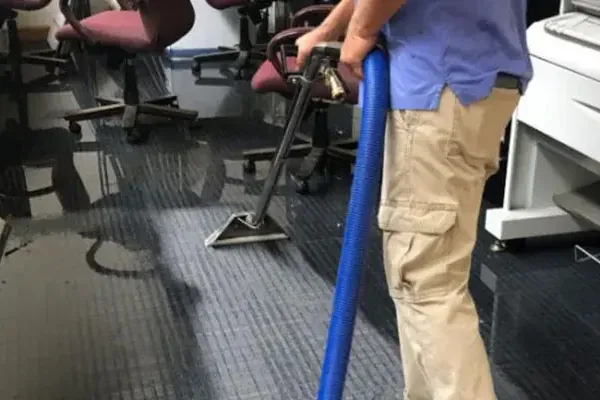
Commercial Water Damage
Downtown businesses may occupy older buildings with basement spaces. Phased work zones and organized records help protect safe operations while damaged areas are addressed.
Cleanup controls change with what the water contacted
Recent supply release
A broken supply component may begin with fewer contaminants, but shutoff and mapping matter because water can cross several assemblies.
See burst pipe restorationWater through materials
Roof or fixture water may collect residue in insulation, cabinets, flooring or ceiling board. Inspection determines cleaning and drying steps.
See bathroom leak responseOutside water or sewage
River water, surface flow and wastewater require separation, protective practices and cautious decisions about exposed porous materials.
Understand sewage cleanupDrying decisions supported by repeatable measurements
Restoration crews establish a moisture boundary, compare affected surfaces with dry reference materials and record change during the project. Emergency water extraction reduces the liquid load first. Structural drying and dehumidification then addresses moisture held in suitable retained assemblies until readings support completion.
- 1
Find source and spread
The initial survey identifies safety issues, classifies the water and checks materials outside the obvious wet area.
- 2
Recover water and debris
Extraction removes accessible liquid while controlled demolition exposes moisture that cannot escape through intact finishes.
- 3
Build the drying environment
Air movement and dehumidification are placed for the actual assembly, room conditions and approved retained materials.
- 4
Document the endpoint
Follow up readings show whether framing, subfloor and finishes selected for retention have reached the project goal.
Why restoration estimates differ by property
Restoration in Stillwater typically ranges from $1,300 to $32,000. The estimate accounts for the water source, contamination, wet floor and wall layers, equipment access and removal needed before retained materials can dry.
One room, clean water
$1,300 to $4,200
- one defined treatment area
- accessible wet surfaces
- compact equipment arrangement
Several rooms or lower level
$4,000 to $12,500
- more than one affected room
- floor and wall layer checks
- separate drying sections
Sewage, flood or whole floor
$11,000 to $32,000
- controlled access and containment
- substantial material removal
- expanded cleaning documentation
These ranges help frame possible scopes, not quote a specific loss. The written estimate follows inspection of the source, affected materials, contamination and access conditions at the property.
Follow water from the entry to the lowest wet layer
Stillwater rises from the west bank of the St. Croix River into hills and bluffs, with Brown's Creek running through the community. Downtown commercial basements need careful checks around storage and utilities after water enters. Crews inspect wall bases and floor layers, then keep drying focused on the materials that remain wet.
Riverfront setting
High St. Croix River water covered places along its banks after recent rain in June 2024.
Substantial winter snow
Stillwater averages about 42 inches of snow each year, adding freeze and thaw questions to an inspection.
Runoff toward Brown's Creek
Projects near Neal Avenue, McKusick Road and Brown's Creek Trails Park address runoff moving toward Brown's Creek.
Mixed building settings
Older Downtown Stillwater commercial buildings with basement spaces differ from properties in later western development.
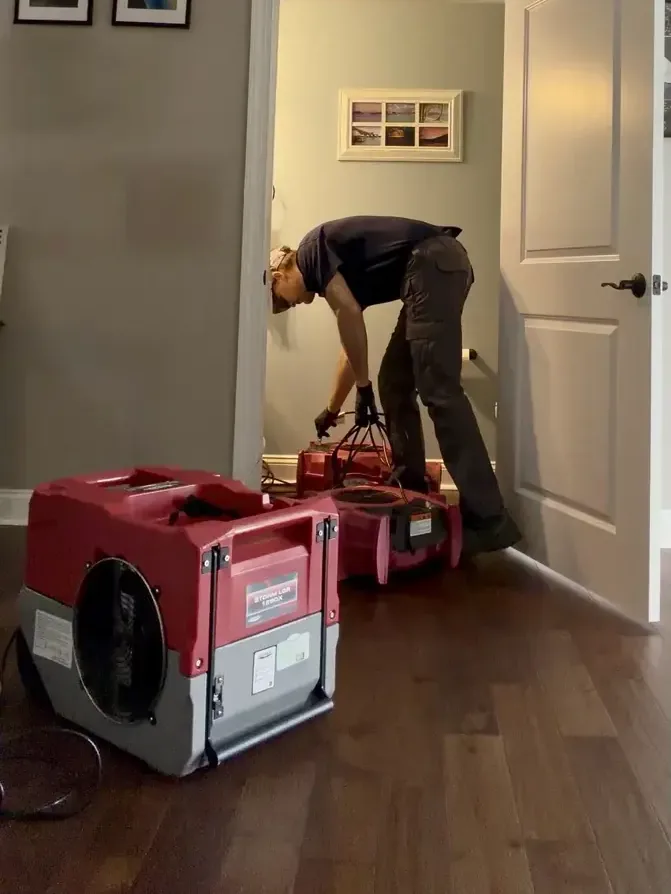
Records that explain the loss clearly
Policy decisions belong to the carrier, while accurate records can show what happened and how restoration proceeded.
- time the damage was first discovered
- photos of the source and visible boundary
- list of affected rooms and belongings
- notes about shutoff or emergency action
- inspection readings and restoration documents
What the owner can preserve
Keep photographs, receipts and carrier messages in one place. Record when the source was stopped and which contents were moved, without entering contaminated or structurally unsafe areas.
Before discarding damaged belongings, ask what the carrier wants documented. The restoration record can add initial moisture boundaries, material decisions, equipment placement and final readings for retained components.
Tools, access and material checks used on site
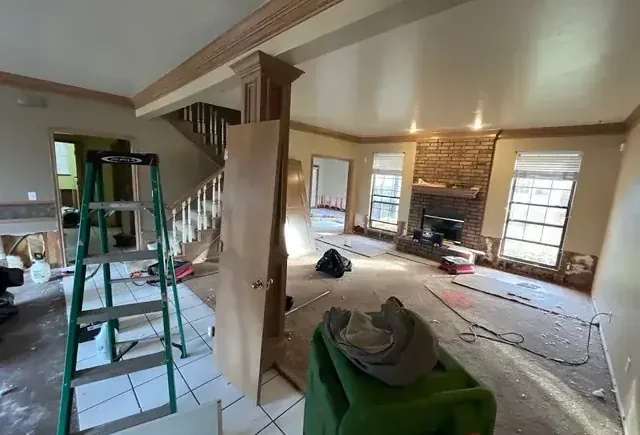
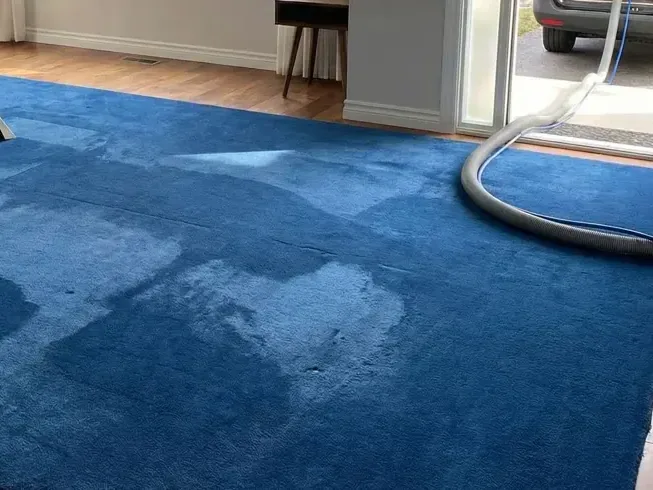
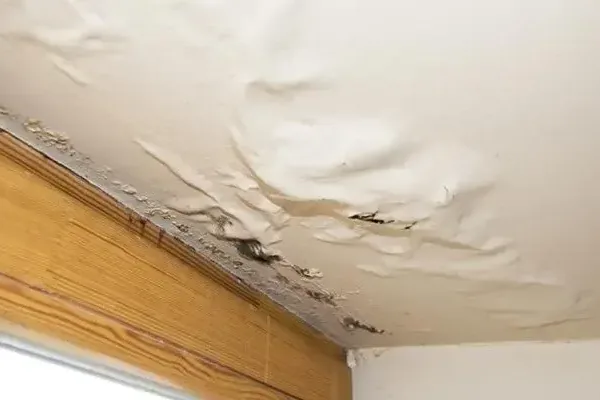
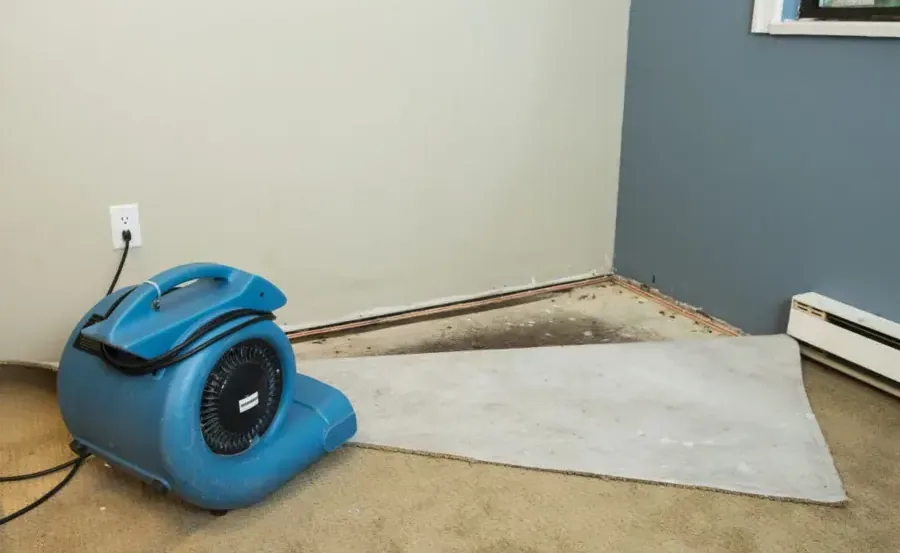
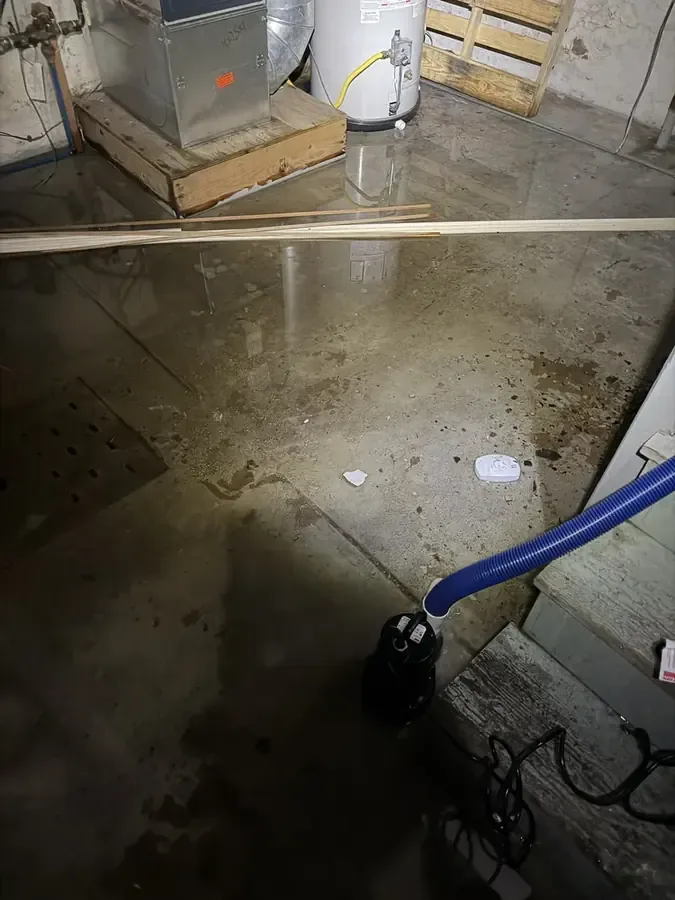
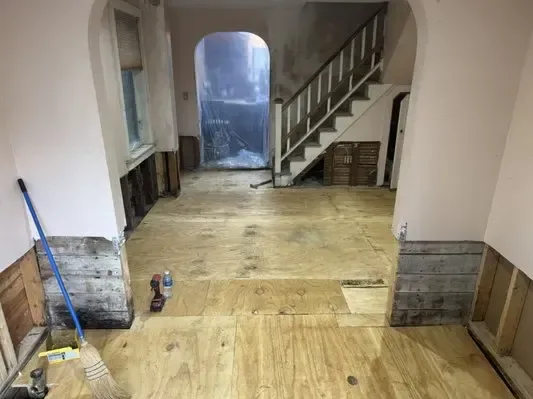
Water restoration across local neighborhoods and corridors
Residential and commercial property help
Service reaches homes and business properties across ZIP code 55082, from Downtown Stillwater and the riverfront to neighborhoods on higher ground and western corridors.
(888) 399-5795Describe the affected propertyStillwater, MN · [email protected]
Places within the response area
ZIP code served
Nearby service areas
Early warning signs in a wet Stillwater building
A ceiling stain, raised floor seam or weak plumbing flow can be the first sign of hidden water. Prompt source checks limit continued damage while measurements reveal how far moisture has moved through the building.
- River rise and recent rain Rising St. Croix River water can leave sediment along lower openings and beneath stored contents.
- Snow and seasonal thaw Accumulated snow can coincide with roof entry, outside drainage or plumbing problems, each requiring a different response.
- Older lower level spaces Downtown Stillwater includes older commercial buildings with basements where water can affect storage, utilities and occupied business areas.
- Movement down a slope Runoff reaching a low doorway can soak nearby wall bases and flooring seams.
- Concealed material layers Water can remain behind a finish or below flooring after the visible surface changes, so readings define the actual boundary.
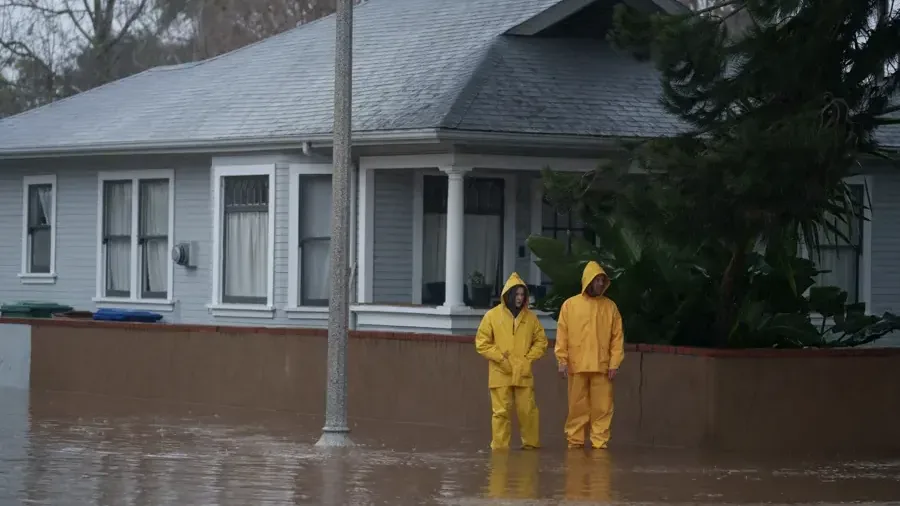
- Staining below fixtures
A ceiling mark beneath a bathroom needs fixture testing and checks of nearby insulation before damaged finish is opened for drying.
- Water at floor edges
Lifted seams can hide wet underlayment. Readings along the wall and across the doorway show how far the floor system is affected.
- Cold area plumbing
Reduced flow during freezing weather calls for checks of exposed supply piping, especially where a basement or wall cavity receives little heat.
- Debris after entry
Outside water can leave sediment along trim and under stored goods. The crew contains residue and cleans retained surfaces before drying begins.
Local water restoration questions
What should happen first after indoor water appears?
People should stay away from electrical concerns, unstable ceilings and contaminated water. If a plumbing shutoff can be reached safely, stopping the source limits further release. Photographs can preserve the initial condition before professional assessment begins.
Can a dry surface still hide moisture?
Yes. Water can remain below flooring, behind wall finishes or inside insulation after the open surface looks clear. Technicians use moisture readings and comparison areas to define the hidden edge before planning removal or drying.
How does the crew identify where water entered?
Crews trace wet materials back toward plumbing, roof openings or exterior entry points. Moisture readings help locate concealed leaks. The source and the materials water crossed determine cleaning controls and the drying plan.
Why does water category affect material decisions?
The substances water contacted influence whether an assembly can be cleaned and retained. A recent supply release differs from sewage or outside water carrying residue. Category, material condition and accessibility all shape the decision.
Will every wet wall need to come out?
Not necessarily. Removal depends on contamination, material stability, access and whether the assembly responds to measured drying. Limited openings may be appropriate where they provide access without removing sound material beyond the confirmed boundary.
How is drying completion determined?
Crews take readings during the project and compare affected materials with a suitable dry reference. The trend directs equipment changes, while final measurements show whether the retained components selected for monitoring reached the stated goal.
What makes frozen pipe damage difficult to locate?
A split can occur inside an exterior wall, basement or unheated space, and released water may travel below the break. Inspection follows staining, material readings and the building layout rather than stopping at the first puddle.
What records may help with an insurance claim?
Owners can keep dated photographs, receipts, carrier messages and notes about discovery and source control. Restoration documents may add the initial moisture map, work boundaries, material decisions, equipment changes and final readings. Coverage remains a carrier decision.
Where is service available in Stillwater?
Service covers ZIP code 55082 and properties around Downtown Stillwater, North Hill, South Hill, West Stillwater, Millbrook, Oak Glen, Neal Avenue and the McKusick Road area. Each visit still begins with a property specific assessment.
Active water needs a clear first assessment
Share the source, rooms involved and visible material effects so the inspection can begin with the most relevant areas.
Move from visible damage to a measured recovery plan
A useful restoration scope identifies where water entered, how far it traveled and which materials can remain. Extraction, controlled access and repeat readings turn those findings into documented work.
- Hudson, WI · Saint Croix County
- Dried to the IICRC S500 standard
- Find us on Google