Water Damage Restoration Maplewood, MN
A wet room rarely tells the whole story. Technicians identify the source, follow moisture into connected materials, remove water and build a drying plan around verified conditions.
(888) 399-5795Request a moisture assessmentZIP 55117, from Maplewood Mall through Joy Park to Geranium Park.
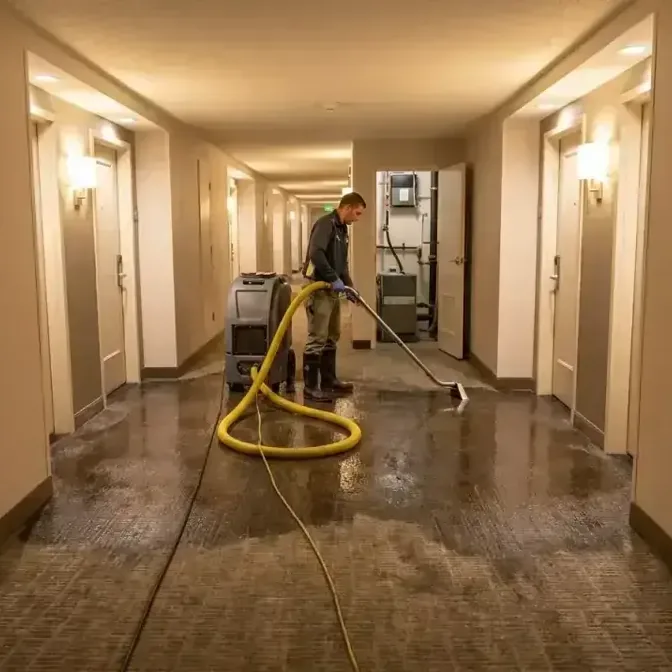
Protect people and preserve useful evidence
- 1
Avoid hazards
Keep away from standing water near electrical equipment, sagging ceilings and any area where sewage may be present.
- 2
Stop the source
Use a safe shutoff for a plumbing release, or arrange qualified repair when the source cannot be reached safely.
- 3
Record conditions
Photograph visible water, stains, damaged finishes and affected belongings before moving anything that can remain safely in place.
- 4
Limit foot traffic
Close doors and keep people outside the wet zone so residue is not carried into unaffected rooms.
- 5
Describe the loss
Share where water first appeared, what changed and whether rain, snowmelt, a fixture or a pipe may be involved.
Water cleanup for many kinds of loss
Each service begins with the affected materials and actual water path, then adds the controls required by contamination, access and building use. See water extraction and structural drying for related process details.
 Common in Maplewood
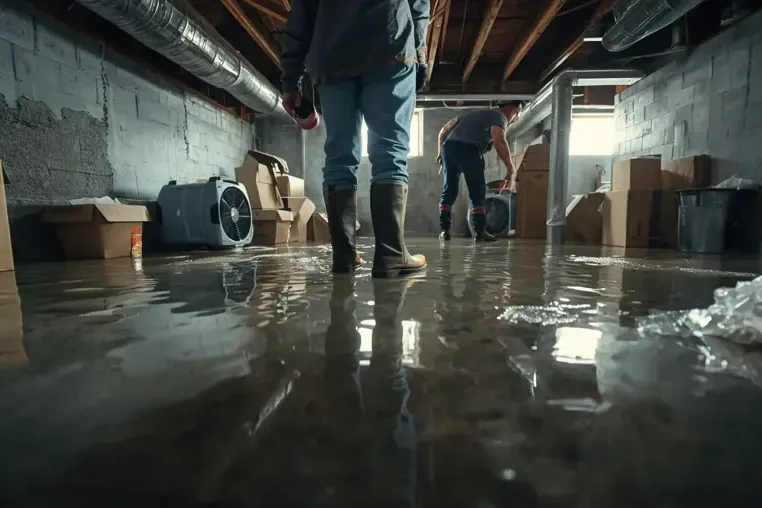
Storm and Flood Cleanup
Outdoor water leaves more than puddles. Inspection separates entry routes and contamination before crews remove debris, clean surfaces and arrange drying.
See storm and flood cleanup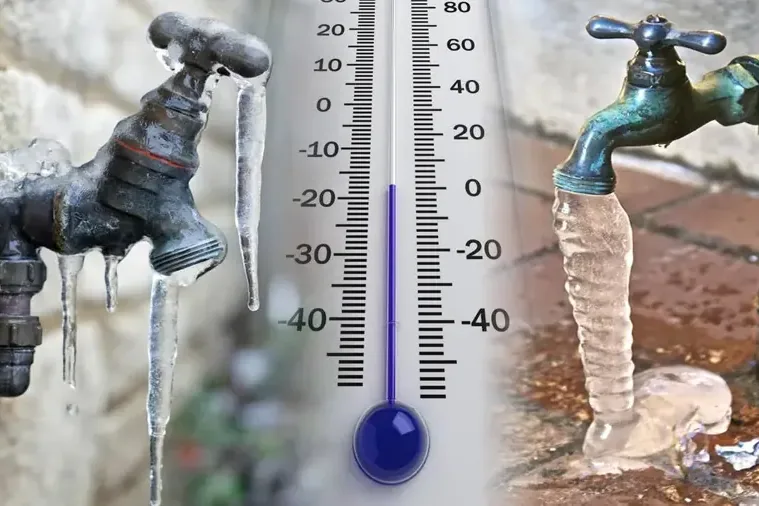 Common in Maplewood
Frozen Pipe Water Damage
Water released during thaw may surface below the split. Moisture measurements connect the plumbing failure to wet walls, floor layers and lower rooms.
See frozen pipe water damage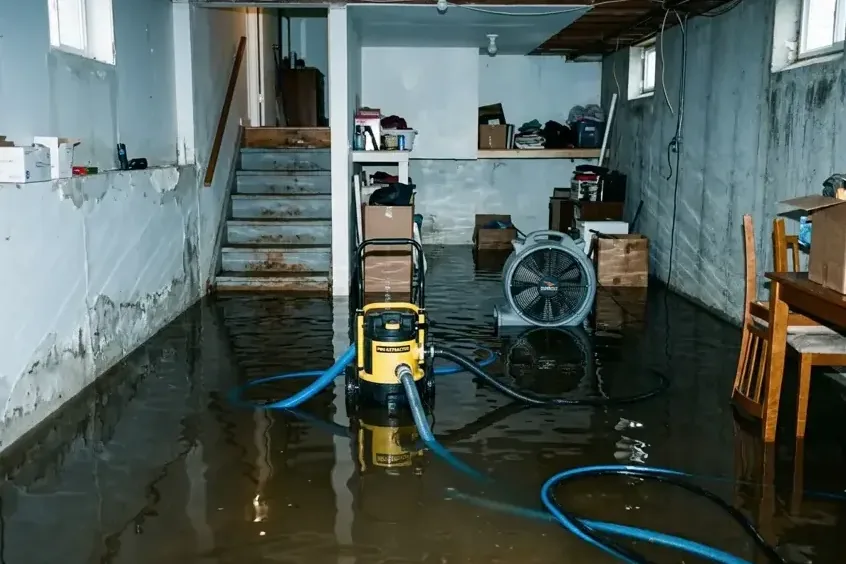
Basement Flood Cleanup
A flooded lower level needs source classification first. Pumping, contents handling and cleaning change when runoff or sewage has reached the space.
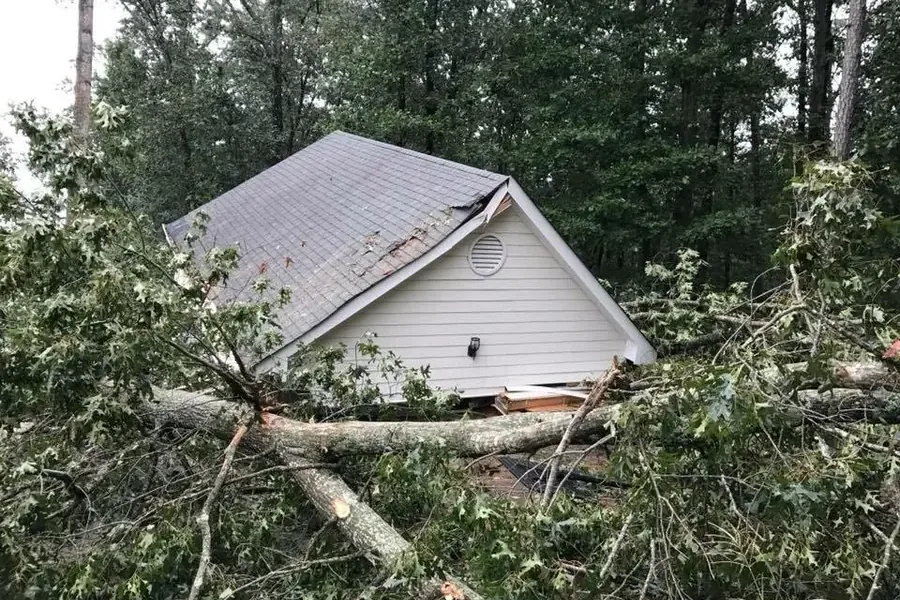
Roof Leak Water Damage
Rain can pass through several overhead layers. Technicians trace the damp path through insulation and framing while a roofer addresses exterior entry.
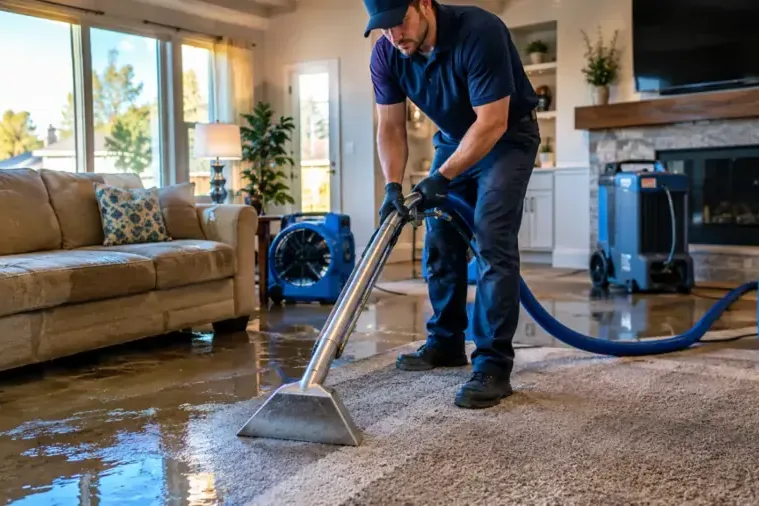
Emergency Water Extraction
Recovering liquid limits further absorption. Technicians select removal tools for water depth and access while mapping moisture already held beneath the surface.
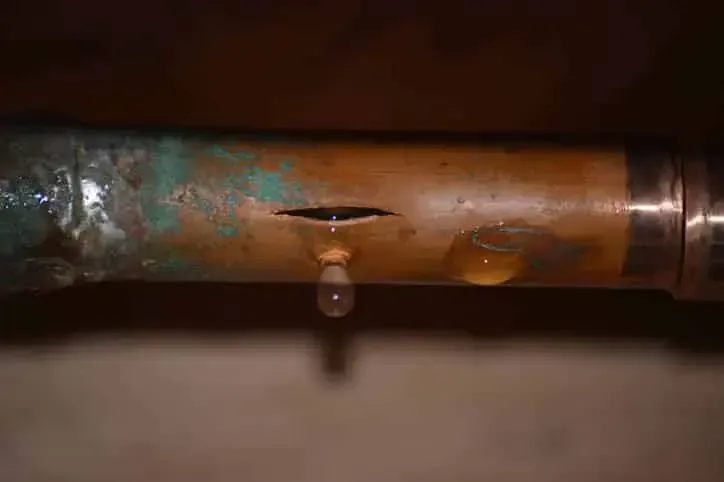
Burst Pipe Water Damage
A shutoff stops new discharge. The restoration survey follows water through adjoining rooms and lower ceilings before extraction and selective access begin.
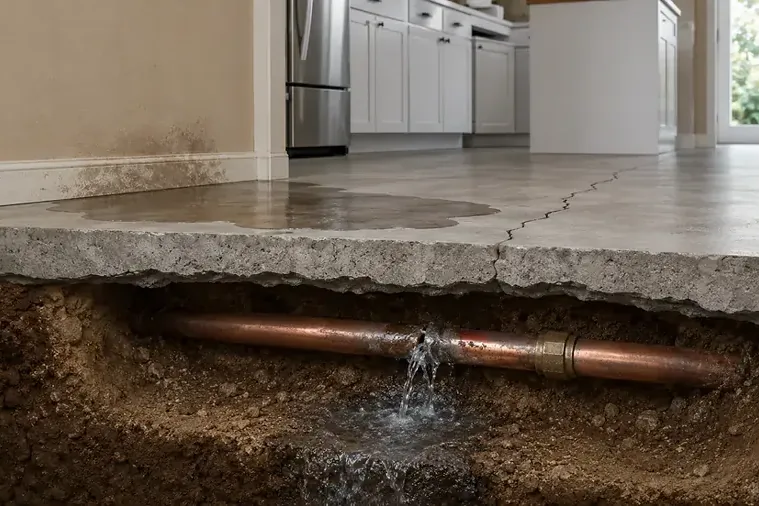
Slab Leak Water Damage
Plumbing tests establish whether concealed supply water is involved. Restoration access then reflects the actual foundation, wet flooring and surrounding wall conditions.
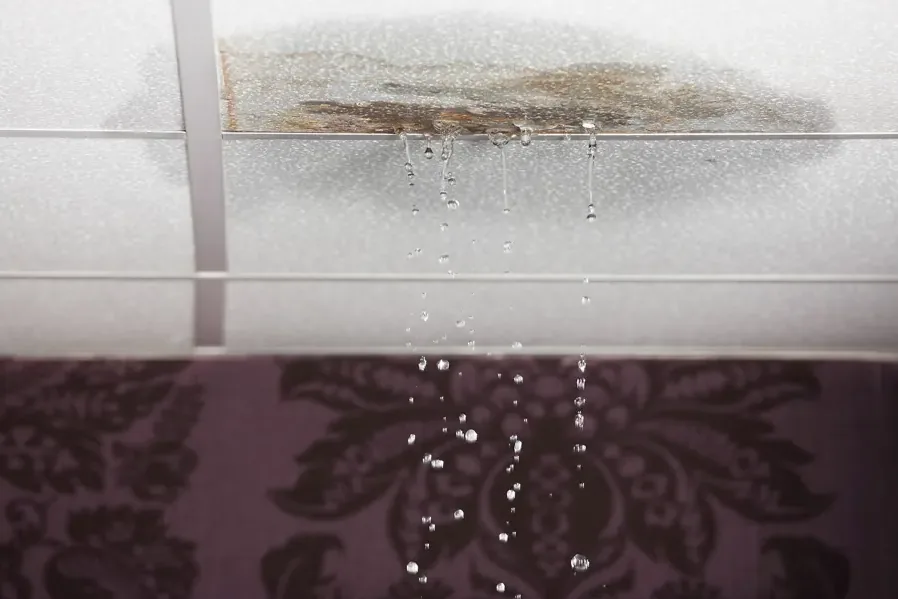
Ceiling Leak Water Damage
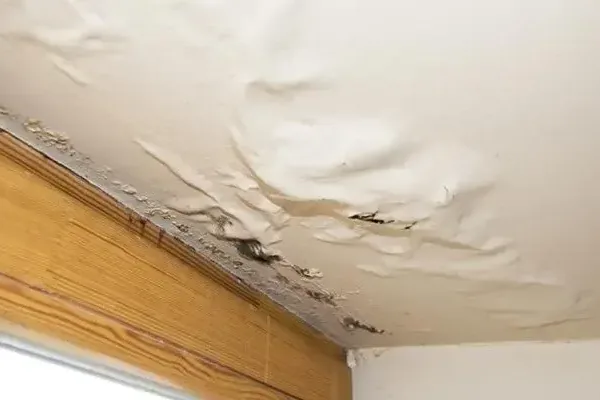
An overhead mark requires source investigation and a stability check. Controlled openings reveal damp insulation and construction that the visible stain cannot describe.
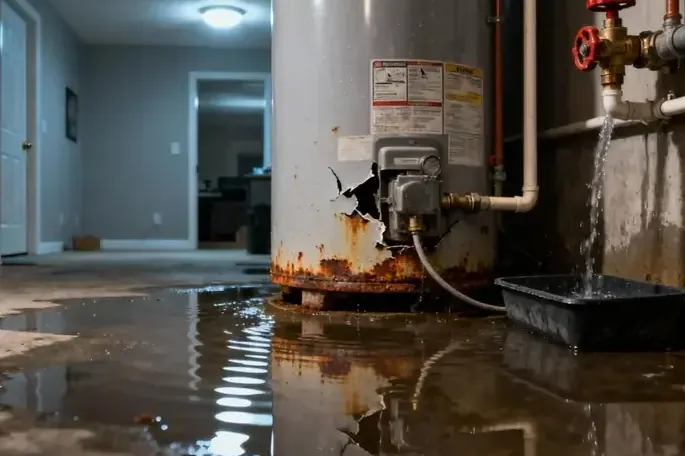
Water Heater Leak Cleanup
Tank water can escape the utility area through thresholds and wall bases. Cleanup traces those edges after the heater is safely secured.
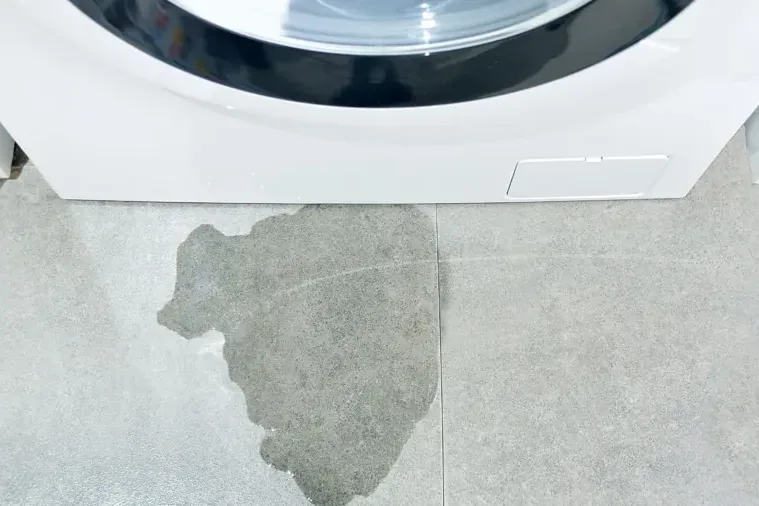
Appliance Leak Water Damage
Water escaping an appliance can collect beneath fixed cabinetry. Inspection includes the machine footprint, adjacent floor seams and any occupied space directly below.
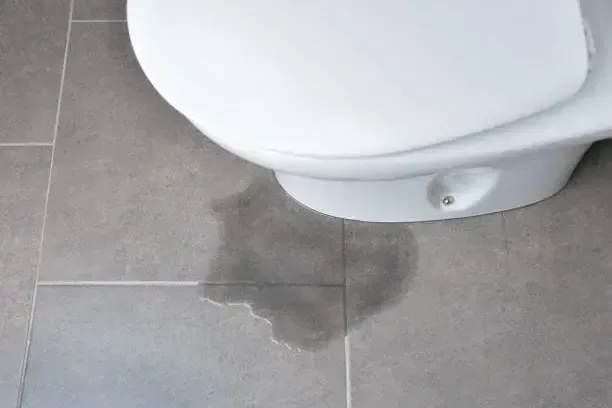
Bathroom and Shower Leak Water Damage
Testing separates fixture supply, drain and enclosure failures. The moisture survey connects bathroom floor damage to adjoining walls and any affected ceiling underneath.
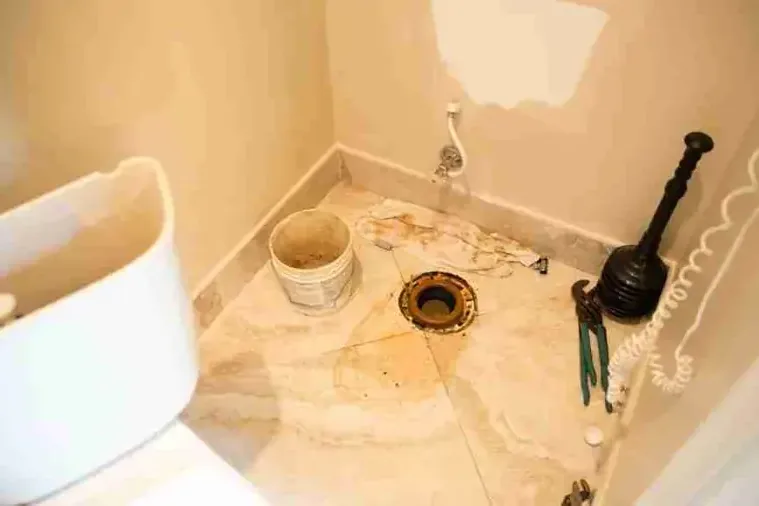
Sewage Backup Cleanup
Wastewater needs containment and controlled handling. Affected porous finishes receive removal assessment while suitable hard surfaces undergo cleaning before monitored drying.
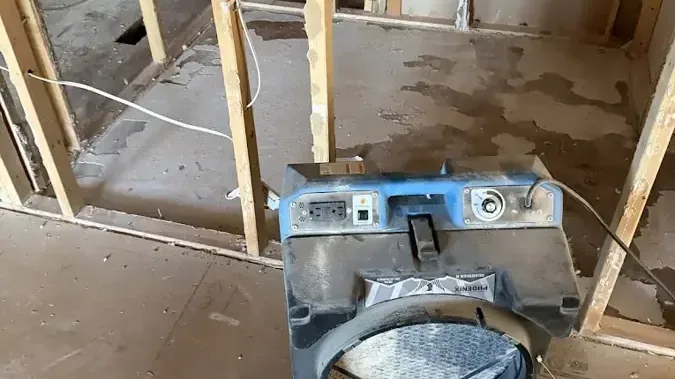
Structural Drying and Dehumidification
Drying equipment follows the moisture map. Repeated readings distinguish improving surfaces from concealed pockets that need more access or a different airflow arrangement.
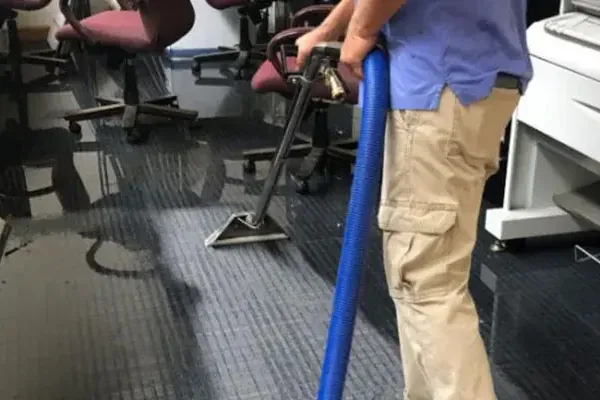
Commercial Water Damage
Facility recovery considers occupants alongside construction. Protected routes, separated work zones and organized records support restoration around operations where site conditions permit.
The source determines the safest next step
Plumbing releases
A split pipe can spread water through several rooms before the shutoff ends the flow.
Explore burst pipe cleanupFixture and appliance leaks
Slow or sudden leaks can hide beneath cabinets, flooring and connected wall spaces.
Explore appliance restorationContaminated backups
Sewage needs isolation, protective handling and a cleaning scope designed for Category 3 water.
See sewage cleanupA measurable plan for affected materials
Restoration starts with a source assessment and a map of the wet area. Liquid removal, selective demolition, cleaning and dehumidification are chosen only after technicians understand water category, material condition and access. Follow up readings show whether retained layers are releasing moisture.
- 1
Confirm source and category
Inspection identifies how water entered, what it contacted and which immediate hazards control access.
- 2
Map affected layers
Readings locate moisture in floors, wall bottoms, ceilings and cavities beyond the obvious stain.
- 3
Remove and prepare
Extraction reduces liquid while unsalvageable material is taken out under appropriate containment.
- 4
Dry and verify
Equipment settings change as recorded values fall, and completion depends on material goals rather than touch alone.
What changes a restoration estimate
An estimate starts with the water source and the measured damage boundary. Inspectors then account for contaminated materials, concealed layers, equipment access and removal needs to price the work identified at that property.
One room, clean water
$1,300 to $4,200
- limited extraction area
- few affected layers
- short equipment setup
Several rooms or lower level
$4,000 to $12,500
- connected wet spaces
- selective material access
- multiple equipment zones
Sewage, flood or whole floor
$11,000 to $32,000
- large moisture boundary
- controlled debris removal
- detailed cleaning procedures
An inspection establishes the applicable scope for each property. The individual service pages provide cost ranges for different sources and cleanup requirements.
Keep outdoor water from reaching more rooms
Maplewood Public Works maintains catch basins, ponds, storm sewers and wetlands. Blocked grates can leave rain and snowmelt pooling in streets and yards. When that water reaches a doorway or lower level, the cleanup crew checks thresholds, floor edges and adjoining wall cavities before placing extraction equipment.
Drainage around the property
Lakes, ponds and retention areas handle stormwater. Pooling beside an opening helps the crew trace outdoor entry.
Wet floor edges
A damp baseboard can mark water beneath adjoining flooring. Perimeter readings show which layers need access and drying.
Homes and community buildings
Equipment access is planned for homes and community buildings around Maplewood Mall, Aldrich Arena and Geranium Park.
Hidden moisture checks
Crews inspect beneath loose finishes and along shared walls to find wet material beyond the visible puddle.
Keep the loss history organized
The carrier evaluates coverage using policy terms, loss details and records of the damage and restoration work.
- clear photos before major changes
- source and discovery time notes
- affected rooms and material layers
- receipts for urgent protective work
- moisture values and equipment records
Details worth saving
Keep photographs, carrier messages and invoices together. Write down when water was found, when its source stopped and which belongings were moved to prevent further damage.
Ask the adjuster before discarding damaged contents when safe storage is possible. Restoration documentation can connect removal choices, cleaning steps and drying readings to each affected space.
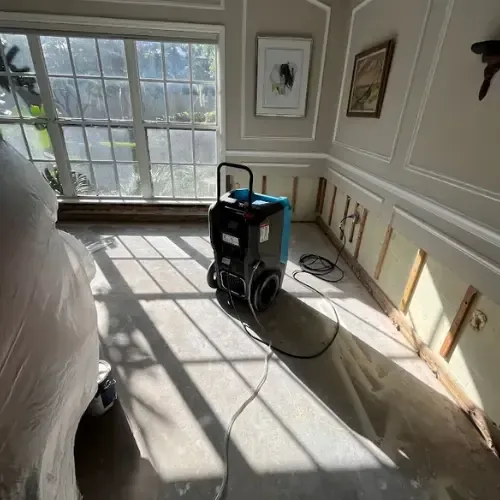
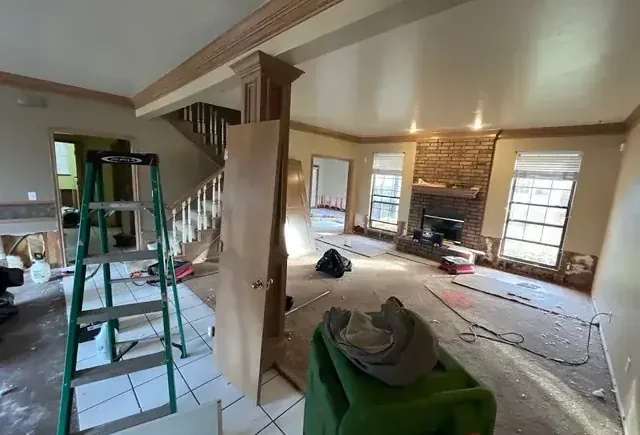
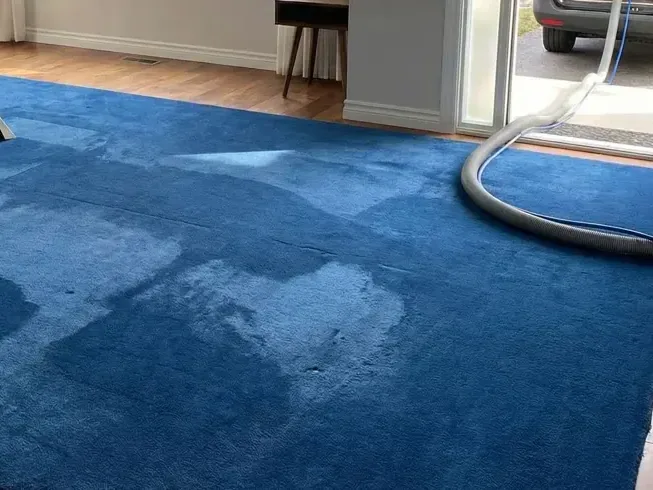
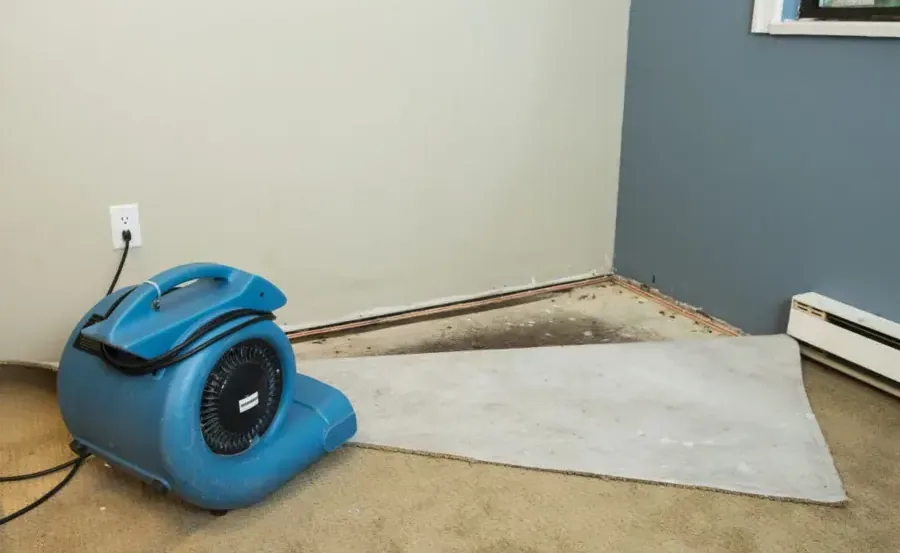
Access, extraction and drying equipment in use
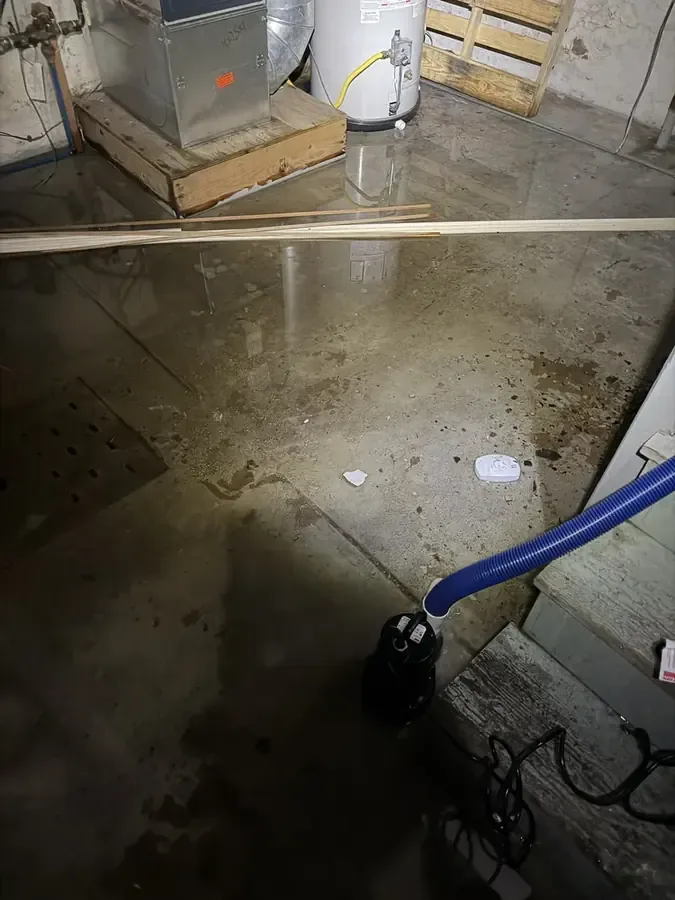
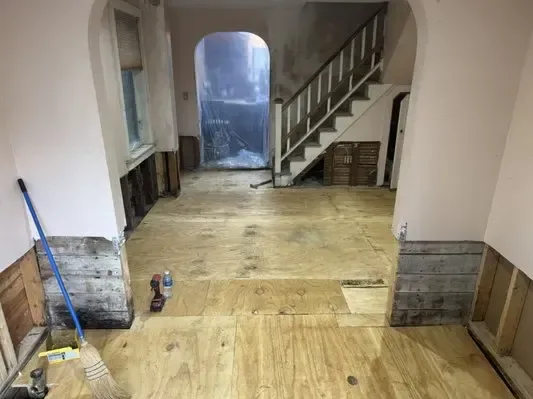
Water restoration throughout Maplewood
Homes, workplaces and community properties
Crews remove water and dry affected materials in Maplewood homes, shops and community buildings, including the Joy Park and Geranium Park areas.
(888) 399-5795Discuss the affected buildingMaplewood, MN · [email protected]
Named areas served
ZIP areas
Other service locations
Rain, snowmelt and concealed water paths
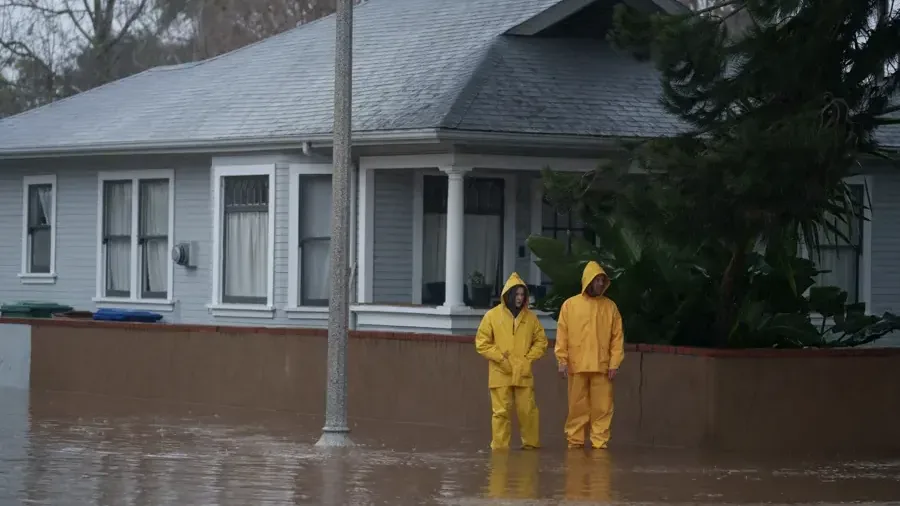
Debris at a storm grate can leave snowmelt or rain standing near a home. Once water gets indoors, inspection follows the threshold, wall bases and flooring seams so cleanup reaches the full affected area.
- Blocked storm grates City information notes that debris can contribute to rain and snowmelt pooling in yards and streets.
- Outside water Surface flow may bring soil and other contaminants indoors, changing how porous finishes are handled.
- Cold weather plumbing A frozen section may release water only after temperatures change, so hidden areas need inspection.
- Layered construction Water can move beneath flooring, behind wall finish or into a room below before becoming obvious.
- Renewed entry Continuing weather can shift the wet boundary, requiring technicians to update readings and protection measures.
- Pooling near openings
Water gathering beside a doorway warrants inspection of the threshold, adjacent wall bases and the outdoor approach before the entry is assigned.
- Changes below ceilings
A spreading stain or softened finish calls for an overhead stability check and readings beyond the visible discoloration before anyone enters beneath it.
- Lifted flooring
Raised seams can mark water beneath a covering. Measurements at room transitions help establish whether that hidden spread extends into adjoining spaces.
- Persistent dampness
Material readings track moisture that remains after surface water disappears, showing whether the assembly needs continued drying or additional access for inspection.
Questions about local water restoration
What should happen before water removal?
The source and immediate safety concerns should be identified first. Technicians then classify the water, locate visible and concealed spread, and choose extraction methods suited to the affected surfaces.
Can moisture extend beyond a visible stain?
Yes. Water may follow seams, framing or gravity into adjoining materials. Readings around the perimeter help define the actual boundary before drying equipment is arranged.
Does every wet finish have to be discarded?
No. Water category, physical damage, cleanliness and access determine whether a material can remain. Porous items affected by sewage usually require a more restrictive decision.
How is progress during drying documented?
Technicians record material values at repeat visits and compare them with suitable dry references. The trend helps determine equipment changes and confirms when retained assemblies have reached the goal.
What makes outdoor water different from a roof leak?
Surface water can carry soil and debris across a threshold, while roof water may travel through insulation and ceiling layers. Source and contact history lead to different controls.
Should an owner contact the insurance carrier?
Prompt notice can help the carrier explain policy requirements. Owners should keep photographs, receipts, source information and restoration records available for the claim evaluation.
Which local ZIP areas receive service?
Service covers properties in the five ZIP areas overlapping the city: 55117, 55119, 55125, 55113 and 55109. Mailing boundaries may differ from city limits.
How are sewage affected rooms handled?
Access is restricted, workers use protective procedures and porous materials that cannot be safely restored are removed. Cleaning and verification occur before the area returns to normal use.
Can businesses remain open during restoration?
Sometimes. The decision depends on hazards, contamination and safe separation. When conditions permit, work zones and equipment placement can be coordinated around limited operations.
Water is moving now?
Share the source, rooms involved and any safety concern so the initial assessment starts with useful details.
Start with evidence from the wet materials
A source focused assessment turns an uncertain water loss into a defined work area, a suitable cleanup method and a measurable drying target.
- Hudson, WI · Saint Croix County
- Dried to the IICRC S500 standard
- Find us on Google