Water Damage Restoration River Falls, WI
Water can travel beneath floors and behind finishes while the visible area looks contained. Technicians locate the source, remove liquid and track drying with material readings.
(888) 399-5795Begin a careful moisture assessmentZIP 54022, from Downtown River Falls to Glen Park and Cascade Avenue.
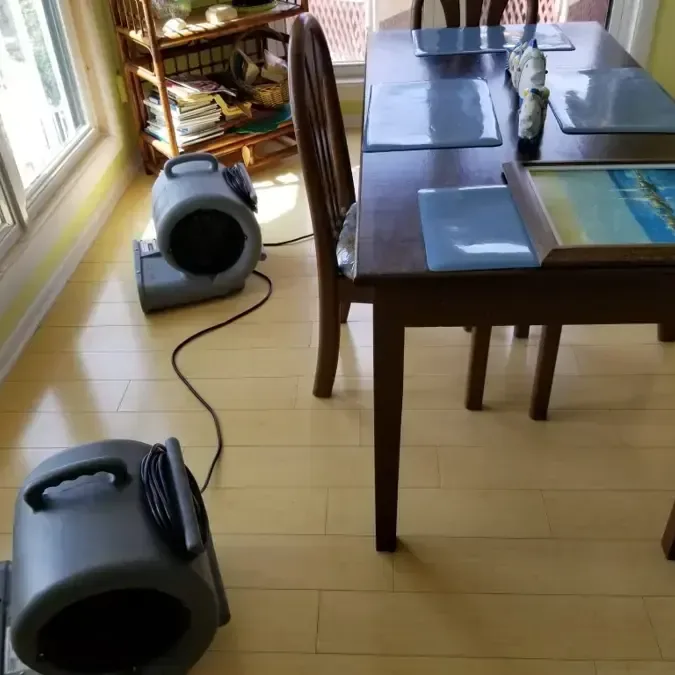
What to do while professional help is arranged
- 1
Avoid unsafe areas
Keep people away from sagging ceilings, sewage, standing outside water and any wet area with an electrical concern.
- 2
Stop the source
Use the interior water shutoff when it is safe and the release comes from plumbing inside the building.
- 3
Protect dry contents
Move reachable belongings out of the wet path without crossing contaminated water or disturbing unstable materials.
- 4
Record conditions
Photograph the source, visible water and affected rooms before cleanup changes the scene, when doing so is safe.
- 5
Call for assessment
Describe where water appeared, when it was noticed and whether the flow has stopped so the first inspection can focus quickly.
Cleanup matched to the way water entered
A useful plan starts with the source, contamination level and materials involved. Each service below addresses a different path through the building.
 Common in River Falls
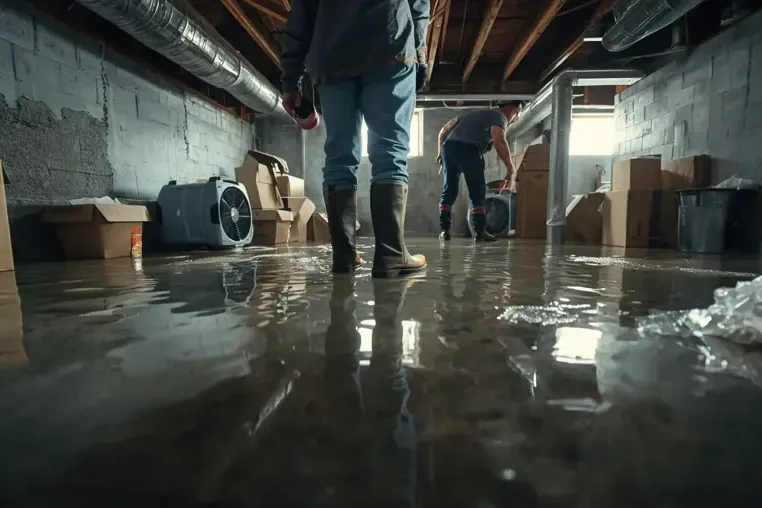
Storm and Flood Cleanup
Outdoor water introduces debris that changes cleanup decisions. Crews separate contaminated finishes from materials suitable for cleaning and measured drying.
See storm and flood cleanup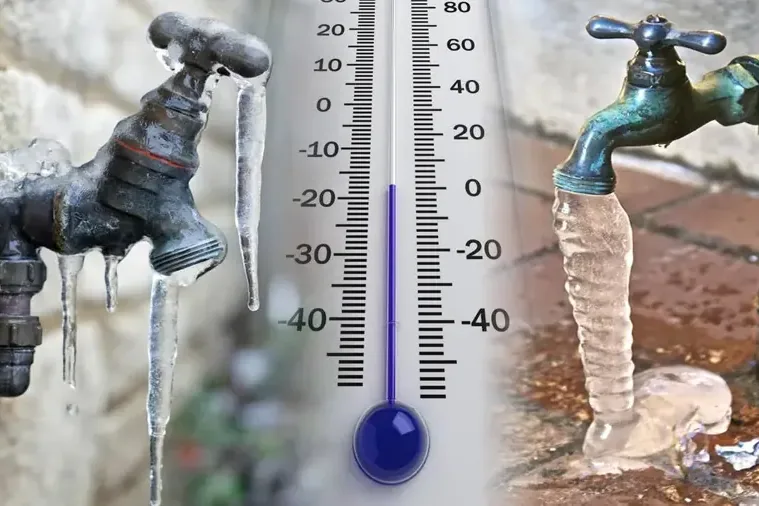 Common in River Falls
Frozen Pipe Water Damage
Prolonged cold can freeze plumbing in concealed spaces. After flow stops, readings identify wet insulation, wall cavities, flooring and lower rooms that need attention.
See frozen pipe water damage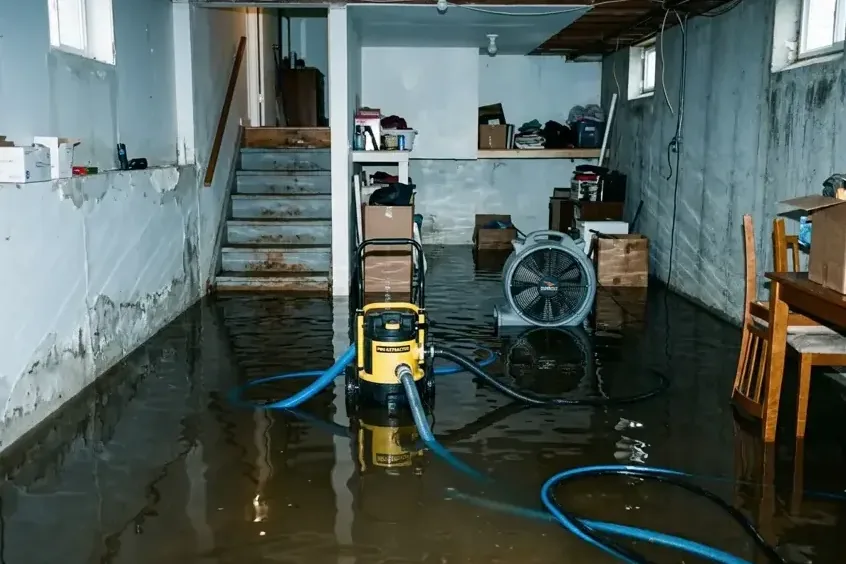
Basement Flood Cleanup
Lower level water may come from plumbing, snowmelt, outside drainage or a sanitary backup. Source and category determine extraction, cleaning and material decisions.
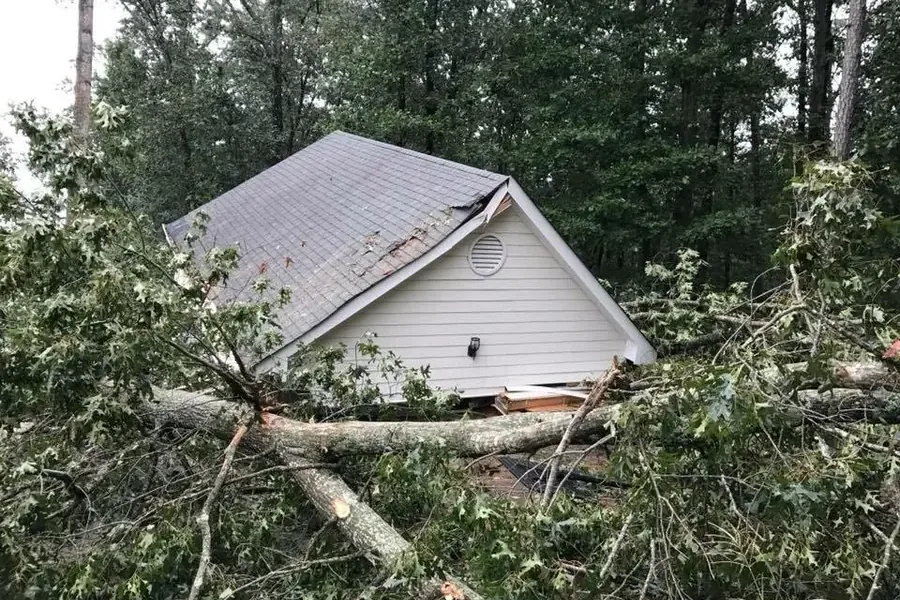
Roof Leak Water Damage
Attic insulation can hide water above a ceiling stain. Readings connect the exterior opening with wet framing and interior finishes.
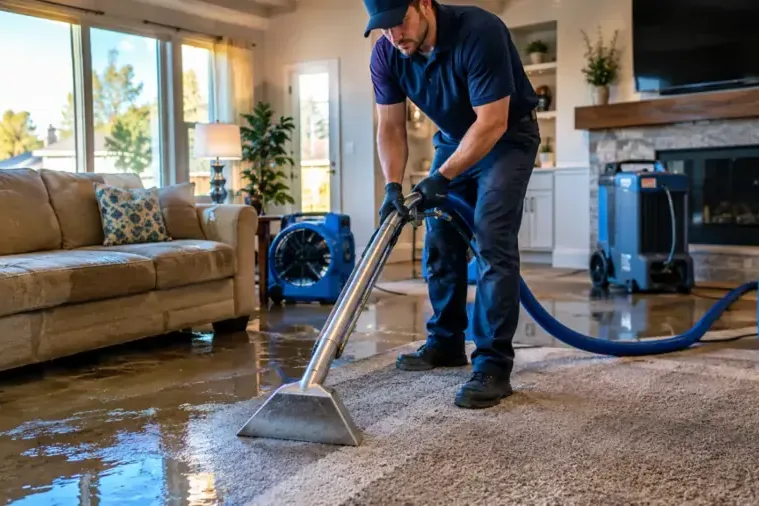
Emergency Water Extraction
Removing pooled water lowers the immediate load on floors and walls. Extraction continues across adjacent rooms and floor layers until recoverable liquid is removed.
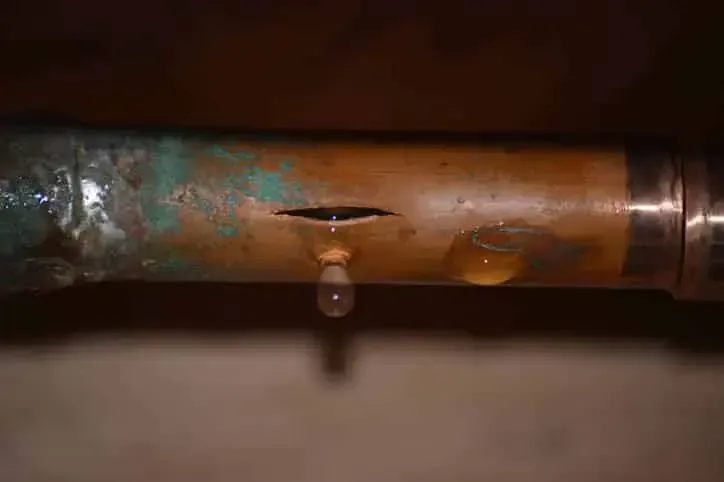
Burst Pipe Water Damage
A broken supply pipe can release water across several levels. Response begins at the shutoff, then follows gravity and construction cavities below the break.
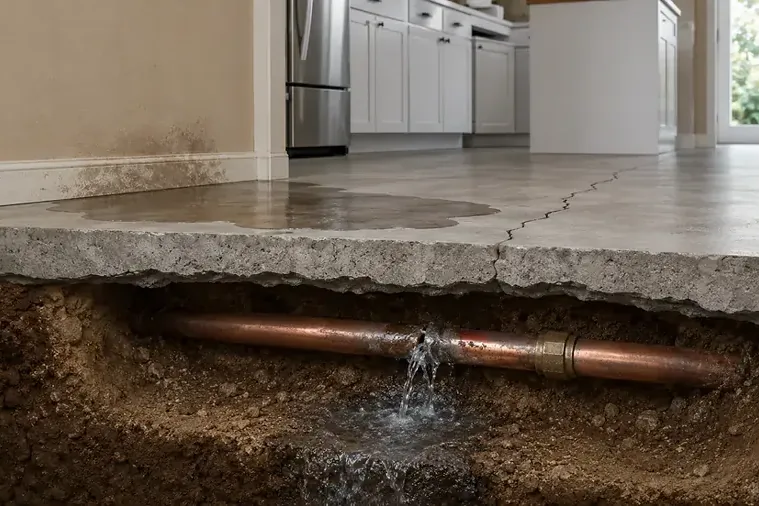
Slab Leak Water Damage
A concealed pipe leak needs tracing before the floor is opened. Moisture patterns and plumbing findings direct access, extraction and drying choices.
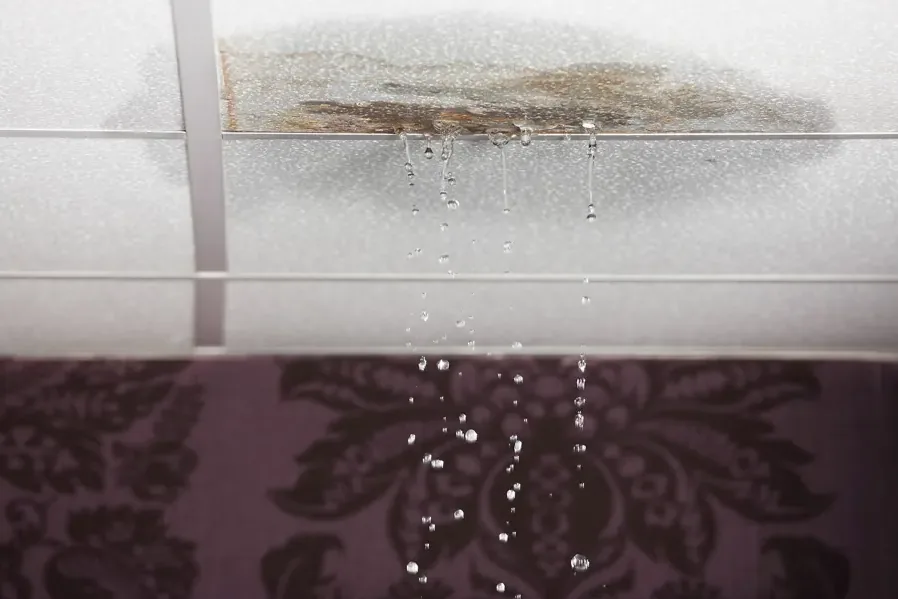
Ceiling Leak Water Damage
A ceiling stain may trace to roof water or plumbing above. Source confirmation comes before removal, containment and drying of the affected assembly.
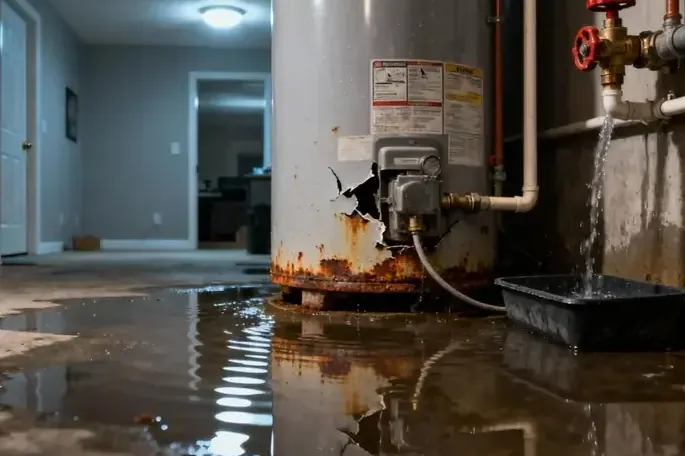
Water Heater Leak Cleanup
Tank releases can soak utility rooms, nearby flooring and wall bottoms. Moisture mapping establishes the boundary before extraction and focused drying.
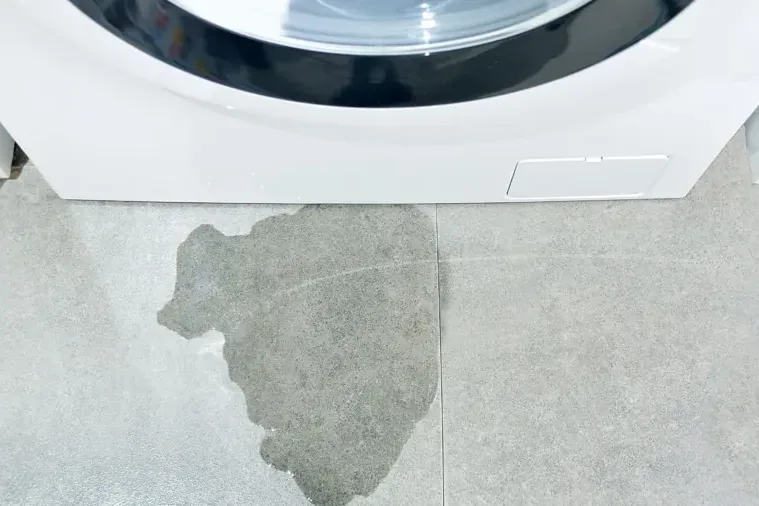
Appliance Leak Water Damage
Dishwashers, washers and refrigerators can leak beneath cabinets or finished flooring. Checks extend into adjoining spaces and the room below when needed.
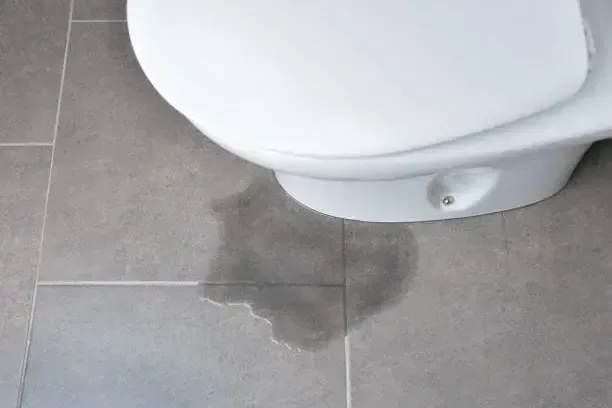
Bathroom and Shower Leak Water Damage
Toilet seals, shower assemblies and supply pipes create different moisture paths. Careful testing protects unaffected finishes while defining the wet area.
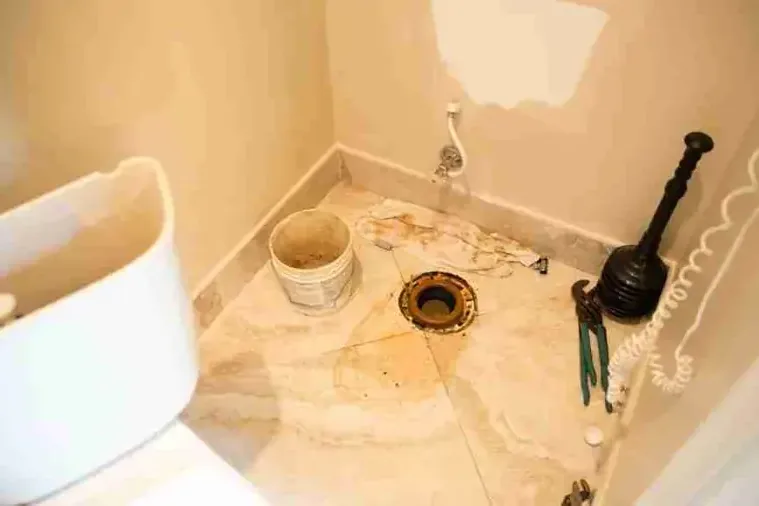
Sewage Backup Cleanup
Wastewater requires controlled access, protective equipment and removal of affected porous material. Cleaning and source correction remain separate parts of the response.
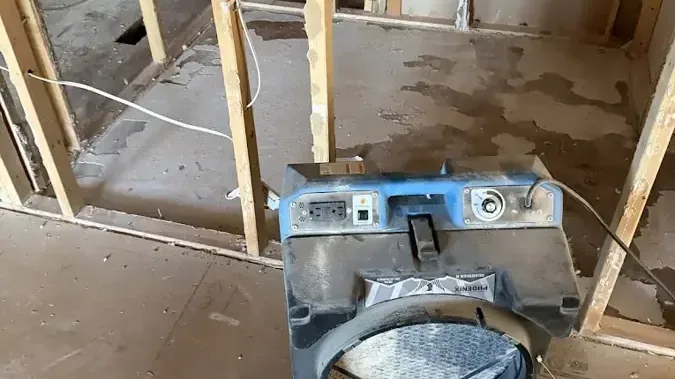
Structural Drying and Dehumidification
Framing, wall material and flooring can stay damp after surfaces appear dry. Repeated readings direct airflow, dehumidification and the final dry standard.
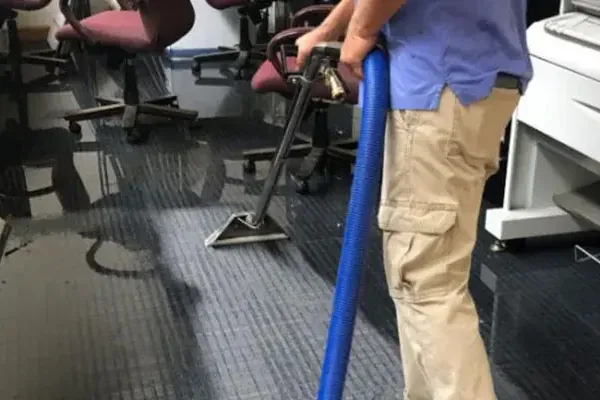
Commercial Water Damage
Property contacts coordinate work zones around operating needs. Extraction, material access and drying records establish which business areas remain affected.
Clean water, dirty runoff and sewage need different cleanup
Supply water
A recent plumbing release may begin with lower contamination. Fast source control and extraction can reduce material impact.
See burst pipe responseRoof or appliance water
Water passing through building materials or carrying appliance residue needs inspection before cleaning and drying choices are made.
Explore appliance cleanupSewage and surface water
Wastewater and water entering from outdoors require stronger controls, careful handling and removal decisions for affected porous materials.
Read about sewage workA drying process tied to material conditions
Technicians record moisture levels in each affected assembly and compare them with a suitable dry reference. Water extraction reduces accessible liquid before structural drying addresses moisture held inside retained floors and walls. Equipment placement changes when readings show that some zones need additional attention. Final checks return to the same marked locations.
- 1
Inspect and classify
The source, water category, safety concerns and visible material impact establish the initial work boundary.
- 2
Extract and expose
Liquid is removed, and limited access is created where trapped moisture cannot dry through an intact finish.
- 3
Control the environment
Air movement and dehumidification are positioned for the materials and adjusted from recorded conditions.
- 4
Confirm the result
Final readings document whether retained framing, flooring and wall material reached the chosen dry standard.
What changes water damage restoration cost
The River Falls restoration estimate depends on how water entered, the materials it reached and the access needed to remove it. Inspection establishes the affected rooms, contamination controls and drying requirements before the work is priced.
One room, clean water
$1,300 to $4,200
- one carefully contained work zone
- limited material reach
- short equipment layout
Several rooms or lower level
$4,000 to $12,500
- multiple connected wet assemblies
- concealed moisture checks
- coordinated drying areas
Sewage, flood or whole floor
$11,000 to $32,000
- controlled work boundaries
- greater removal needs
- extended verification records
These ranges describe possible cleanup scopes. An inspection identifies affected layers and access restrictions before the written estimate specifies removal work and drying equipment.
Trace the leak through floors, walls and rooms below
The Kinnickinnic River runs through Downtown River Falls, and its South Fork crosses the University of Wisconsin-River Falls campus. A wet lower level needs a close look at exterior entry points and indoor plumbing. Crews follow the water through connected materials, recover liquid and arrange drying around the affected rooms.
Shutoff ready for a leak
River Falls Municipal Utilities recommends locating and testing the interior shutoff before an emergency.
Extra care during a freeze
Pipes and meters are most vulnerable after several freezing days, especially when daytime temperatures stay below zero.
Downtown water removal
The Kinnickinnic River crosses the downtown business district. Outside water cleanup includes soil and debris along the entry path.
Room for drying equipment
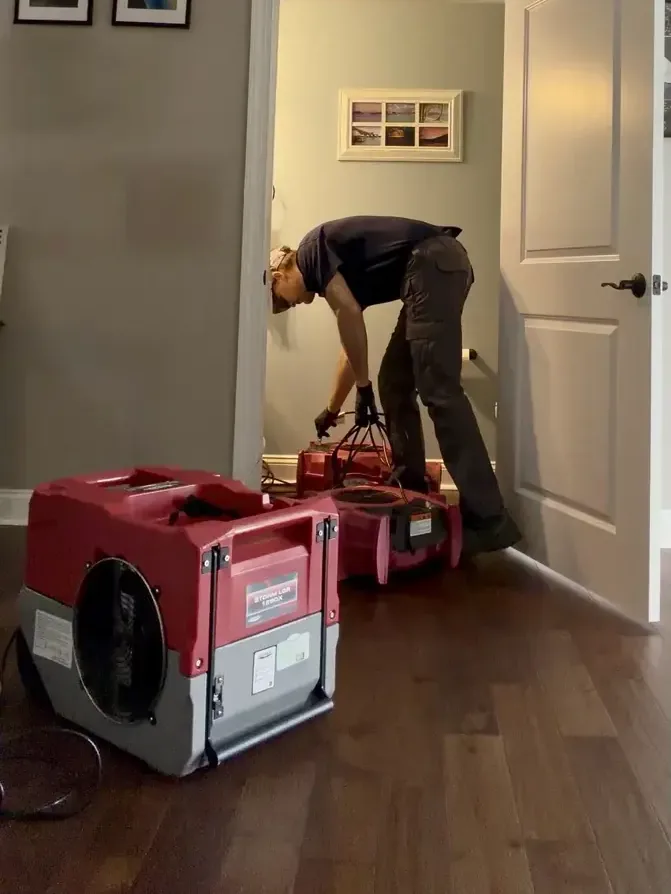
Buildings near Glen Park and the university campus need clear routes for hoses and wet material removal.
Document the loss from the start
Coverage depends on the policy and cause, so organized facts help the property owner and adjuster evaluate the event.
- confirmed source and discovery time
- clear photos before major changes
- rooms and material layers affected
- emergency actions already completed
- moisture readings and work records
Useful owner records
Owners can organize receipts, photographs and policy correspondence by affected room. The event record should distinguish discovery from source shutoff and note belongings moved safely before restoration began.
The carrier can clarify documentation requirements before damaged items leave the property. Material readings, removal decisions and equipment records help explain the affected areas and completed restoration work.
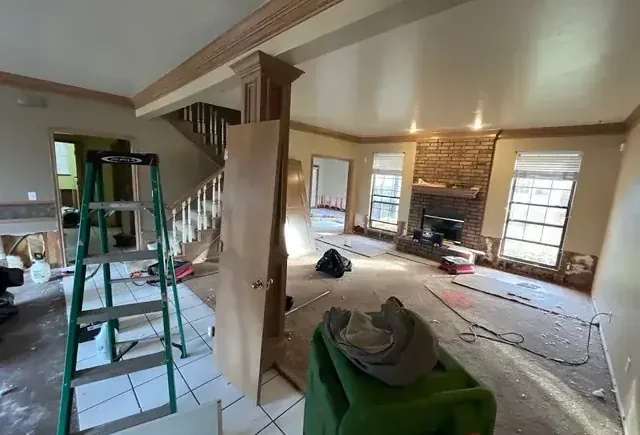
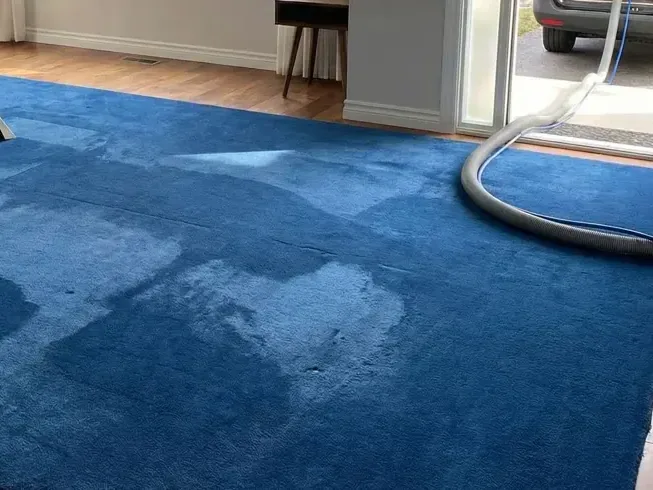
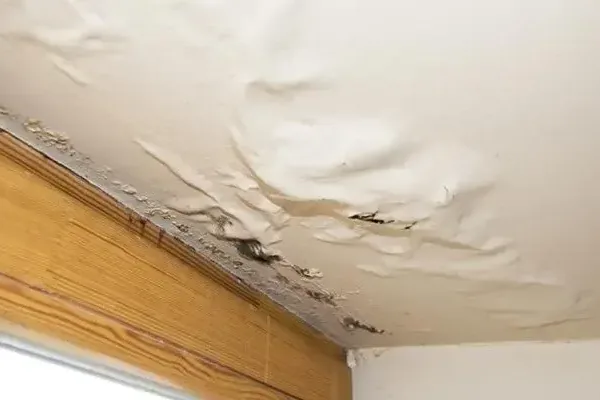
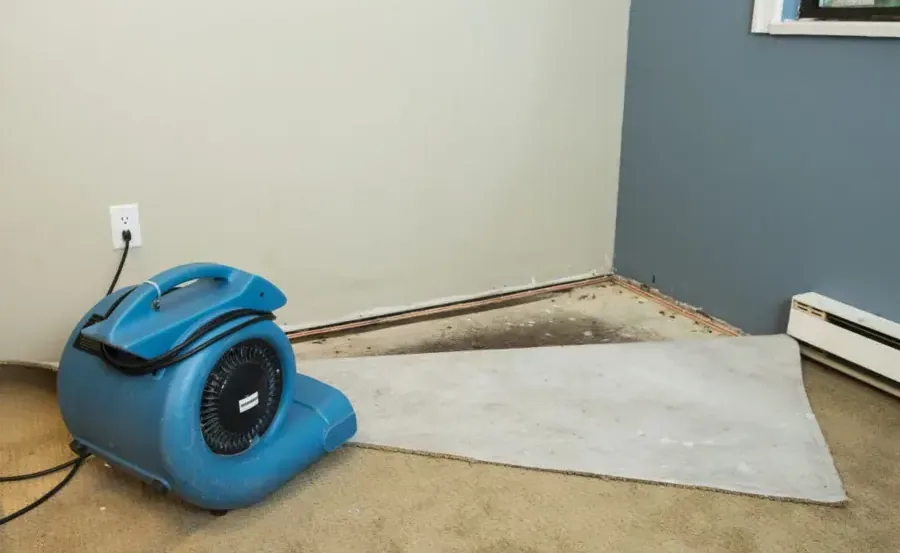
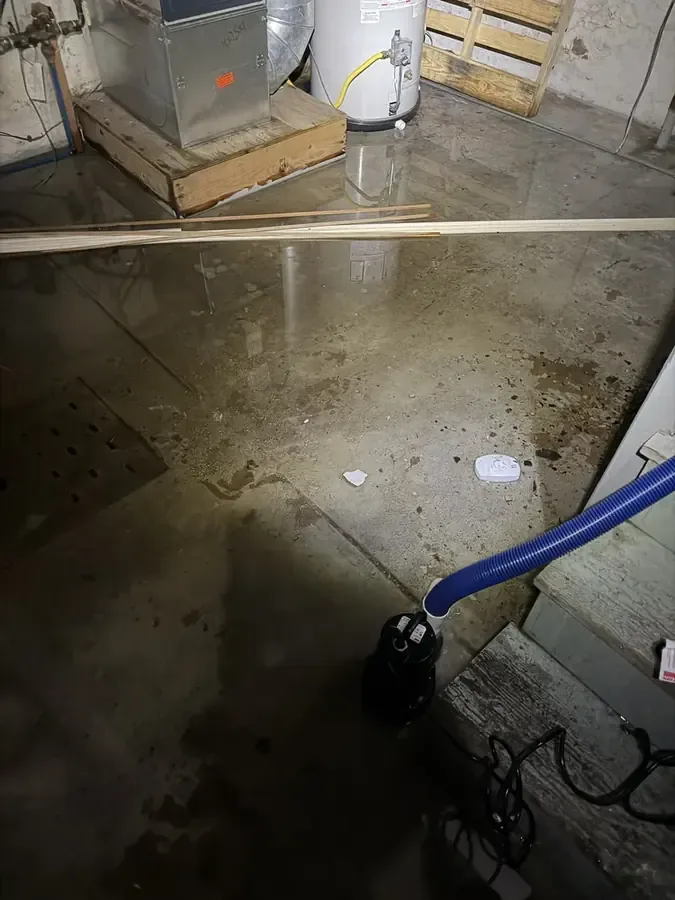
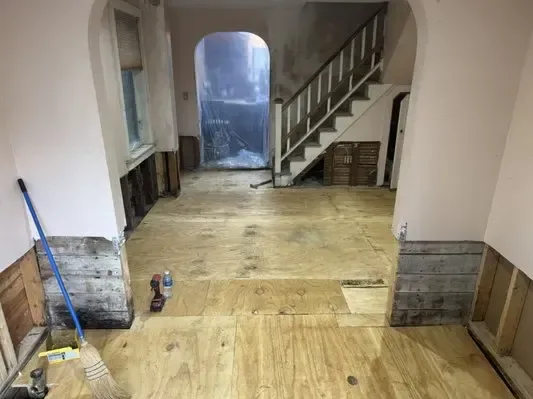
Equipment and access used during water recovery
Water cleanup throughout River Falls
Homes, campuses and business spaces
Residential and commercial coverage includes downtown corridors, areas near local parks and institutions, and properties along the Kinnickinnic River within ZIP code 54022.
(888) 399-5795Ask about the affected propertyRiver Falls, WI · [email protected]
Areas and corridors served
ZIP served
Nearby service areas
Cold pipes and early signs of a leak
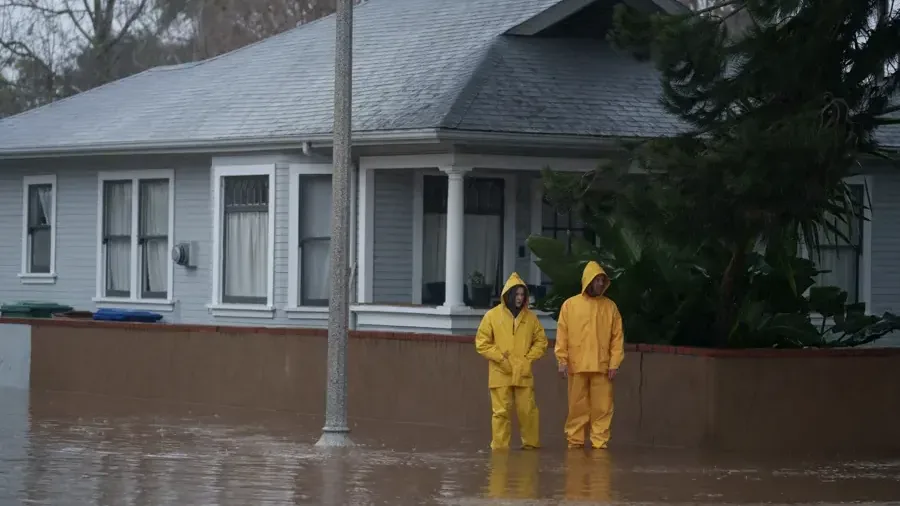
River Falls Municipal Utilities warns that pipes and meters become vulnerable during sustained freezing weather. Bubbling water outdoors, a spreading ceiling stain or a lifting floor edge can signal a problem that needs prompt attention.
- Freeze related release When daytime temperature remains below zero degrees, local utility guidance calls for added attention to pipes and meters.
- River and surface water Outside water entering near the Kinnickinnic River corridor can leave silt beneath flooring. The cleanup plan accounts for contamination and trapped moisture.
- Multilevel plumbing Water from an upper room may enter insulation, ceiling material and wall cavities before appearing below.
- Business interruption Properties near Main Street may need carefully staged work zones that preserve safe access where conditions allow.
- Institutional spaces Buildings around the university campus can require coordinated access, documentation and equipment placement around occupied areas.
- Bubbling outdoors
River Falls Municipal Utilities identifies bubbling water in a yard or street as a possible sign of a leaking service pipe.
- Several cold days
Pipes and meters need closer attention after sustained freezing conditions. Local utility guidance also flags daytime temperatures that remain below zero.
- Interior shutoff
The utility recommends locating and testing the interior shutoff before an emergency, so a plumbing release can be stopped when access is safe.
- Hidden movement
Lifted flooring, stained ceilings and damp trim identify places for further measurements. Technicians compare those areas with adjoining materials during inspection.
Water damage questions
What happens first after a water loss?
The first visit identifies the source, safety concerns, water category and visible spread. Technicians then map moisture in nearby materials and prioritize liquid extraction.
Can a small puddle hide a larger problem?
Yes. Water may run beneath finished flooring, soak wall bottoms or descend into a lower room. Material readings show whether the boundary extends beyond what is visible.
When should the interior shutoff be used?
Use it when the release comes from indoor plumbing and reaching the valve is safe. River Falls Municipal Utilities recommends locating and testing that shutoff before an emergency.
Does every wet wall need removal?
No. The water category, material condition, access and drying response shape that decision. Stable material may remain when cleaning and measured drying can address it safely.
How is drying progress checked?
Technicians record readings from affected materials and compare them with an appropriate dry reference. Equipment can be repositioned as different parts of the assembly release moisture.
What makes sewage cleanup different?
Sewage introduces contamination that calls for controlled access, protective equipment, detailed cleaning and removal of affected porous material. Source correction is handled separately.
Can roof water travel away from the stain?
Yes. Water can cross insulation, framing and ceiling surfaces before becoming visible. Inspection follows the path from source to the furthest confirmed wet material.
Are estimates based only on room size?
Room size is only one factor. Water category, number of material layers, access, extraction needs and the drying period all affect the work scope.
Where is local service available?
Service is available across ZIP code 54022, including Downtown River Falls, Cascade Avenue, Division Street, Glen Park and areas near the university campus.
Need help with active water?
Describe the source and visible spread so an assessment can focus on the right rooms and materials.
Start with the source and the moisture boundary
A focused response removes liquid, protects unaffected space and measures what remains inside floors, walls and ceilings. Those findings support a clear restoration scope.
- Hudson, WI · Saint Croix County
- Dried to the IICRC S500 standard
- Find us on Google