Water Damage Restoration Vadnais Heights, MN
A wet floor rarely shows the complete boundary of a water loss. Restoration technicians identify the source, remove accessible water and measure hidden material layers before setting the drying plan.
(888) 399-5795Map the water damage nowZIP 55117, from Vadnais Lake to northwestern Vadnais Heights.
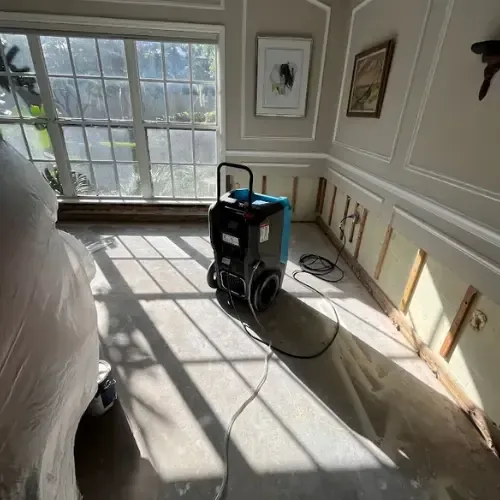
Protect people and preserve useful evidence
- 1
Avoid hazards
Keep people away from standing water near electrical equipment, sagging ceilings or unstable materials. Do not enter a contaminated area.
- 2
Stop the source
Close an accessible water shutoff when plumbing is releasing water and reaching the valve is safe.
- 3
Record conditions
Photograph the source area, water edge and affected belongings before moving anything that can safely stay in place.
- 4
Protect dry space
Move light, unaffected items away from the wet boundary without carrying residue through the building.
- 5
Describe the loss
Share where water appeared, when it was noticed and whether flow stopped. Those details focus the inspection.
Choose help for the actual source
Plumbing water, roof entry, surface runoff and sewage affect materials differently. These services organize the response around the source and the conditions found at the property.
 Common in Vadnais Heights
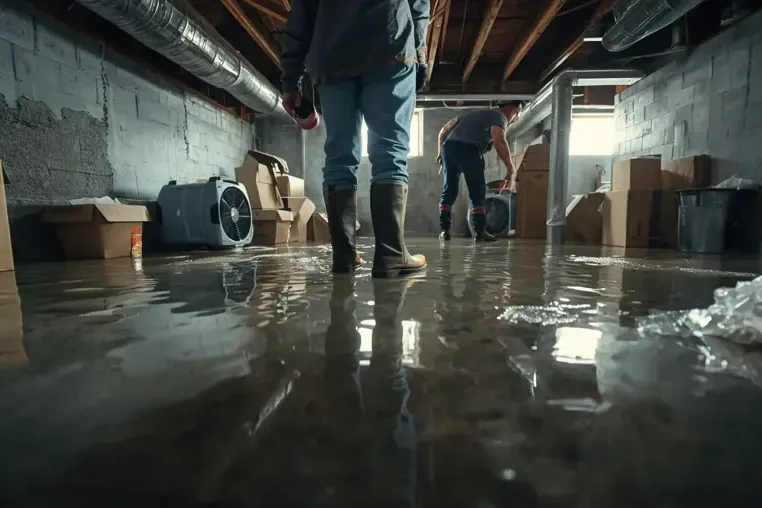
Storm and Flood Cleanup
Sediment and entry patterns help distinguish outside flooding from roof water. Crews separate contaminated finishes, recover liquid and measure retained materials.
See storm and flood cleanup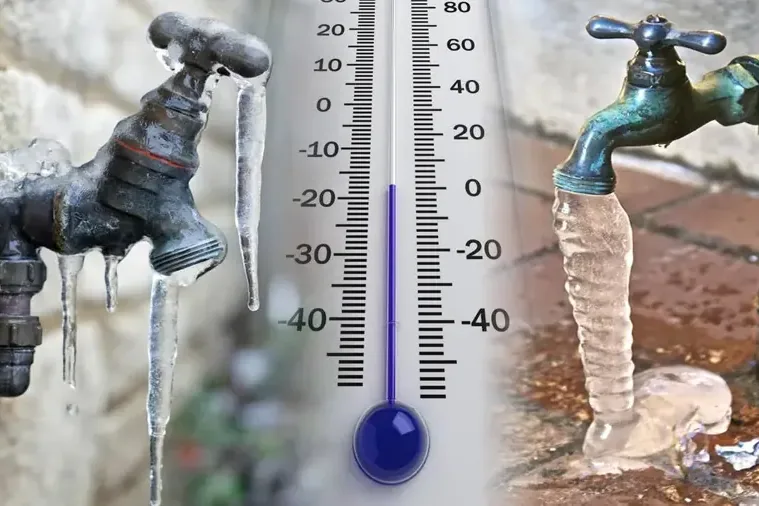 Common in Vadnais Heights
Frozen Pipe Water Damage
Thawing can reveal a concealed split. Inspection follows released water through wall insulation, cabinetry and the floor beneath the damaged section.
See frozen pipe water damage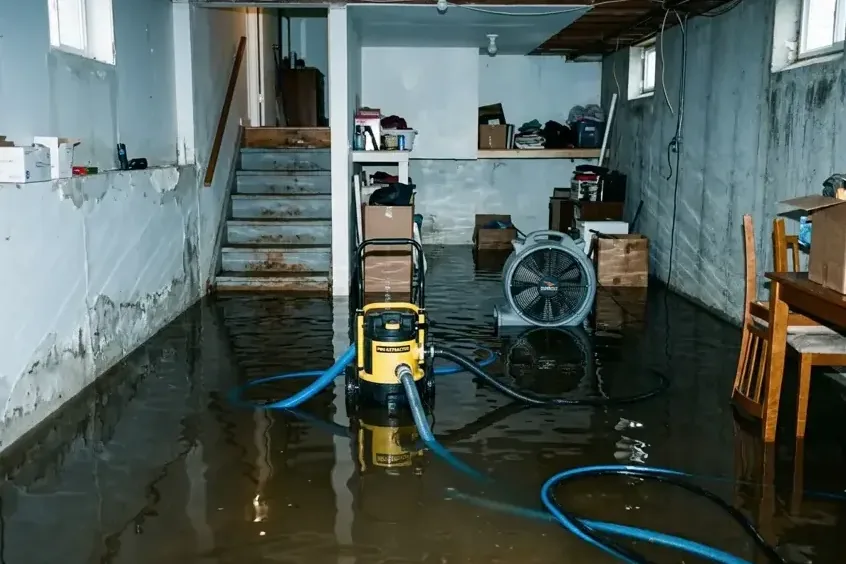
Basement Flood Cleanup
Lower level cleanup starts with the source: plumbing, sewage or outdoor entry. That distinction sets the handling plan for finishes and contents.
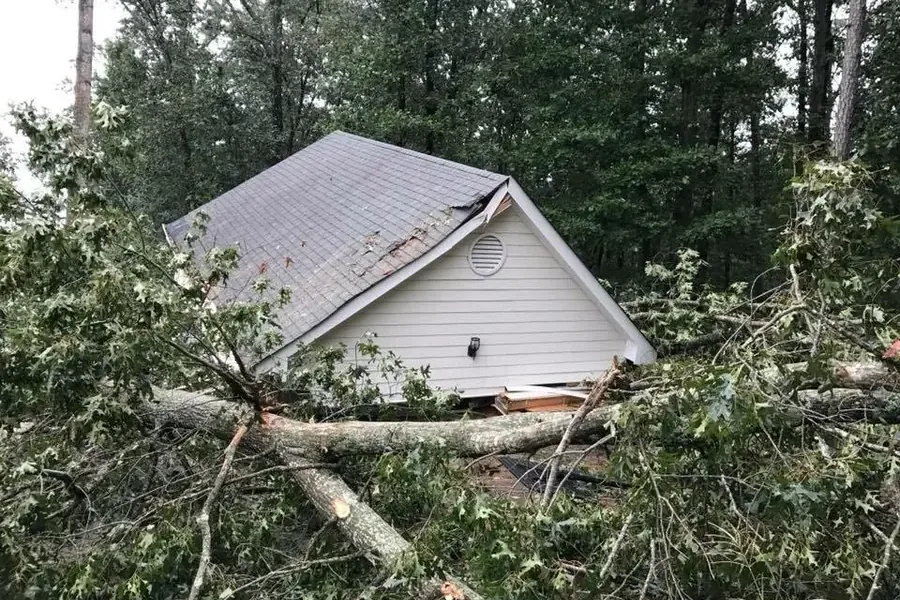
Roof Leak Water Damage
Rain may travel along roof framing before appearing indoors. Technicians connect the entry opening with damp insulation and affected ceiling sections.
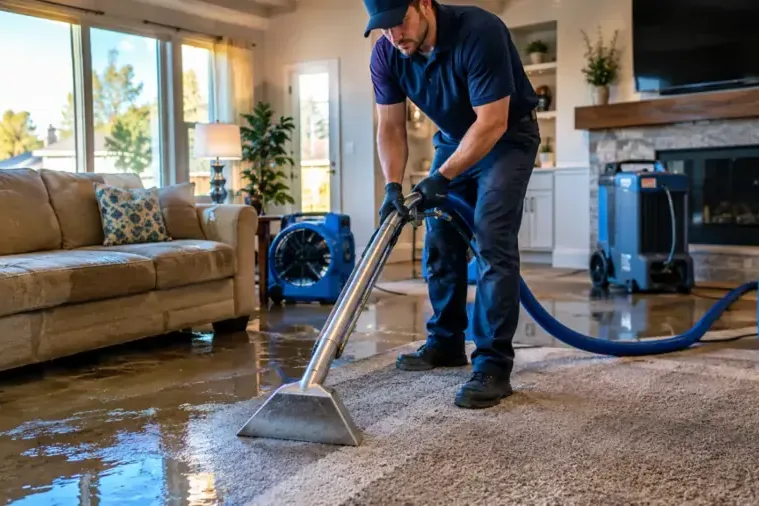
Emergency Water Extraction
Extraction tools recover liquid from open floors and accessible edges. Readings then identify water still held between layers or behind trim.
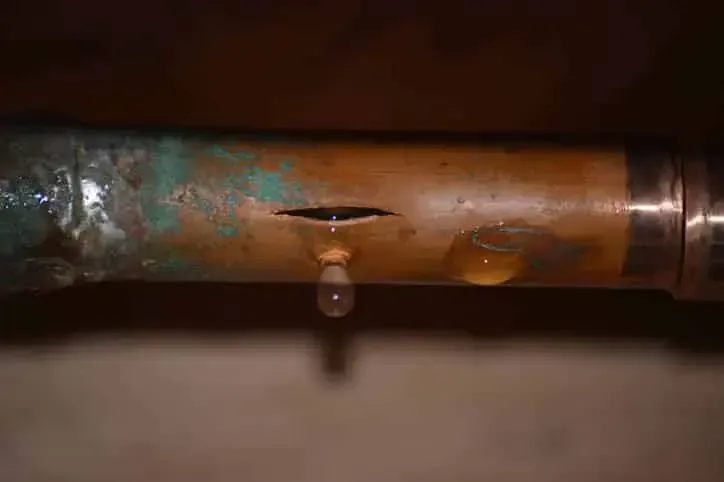
Burst Pipe Water Damage
Stopping a pressurized release limits new damage. Cleanup follows the existing water through connected rooms and checks the level below.
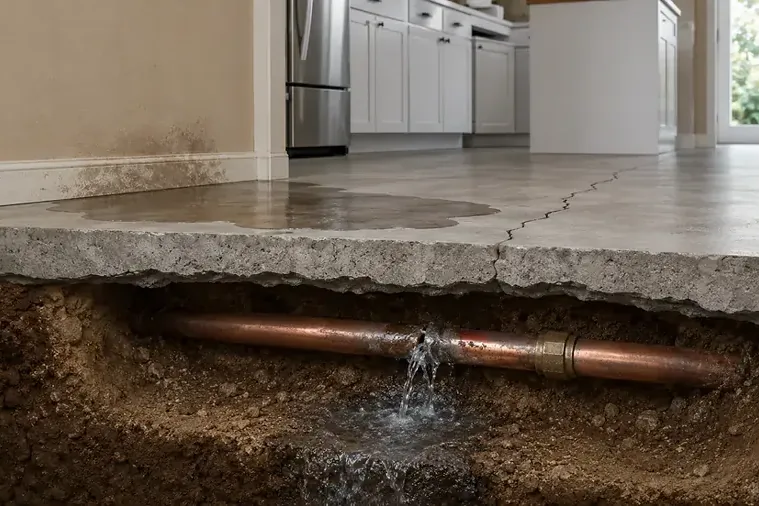
Slab Leak Water Damage
For a suspected leak beneath a slab, plumbing diagnosis locates the source before restoration decisions address damp flooring and nearby finishes.
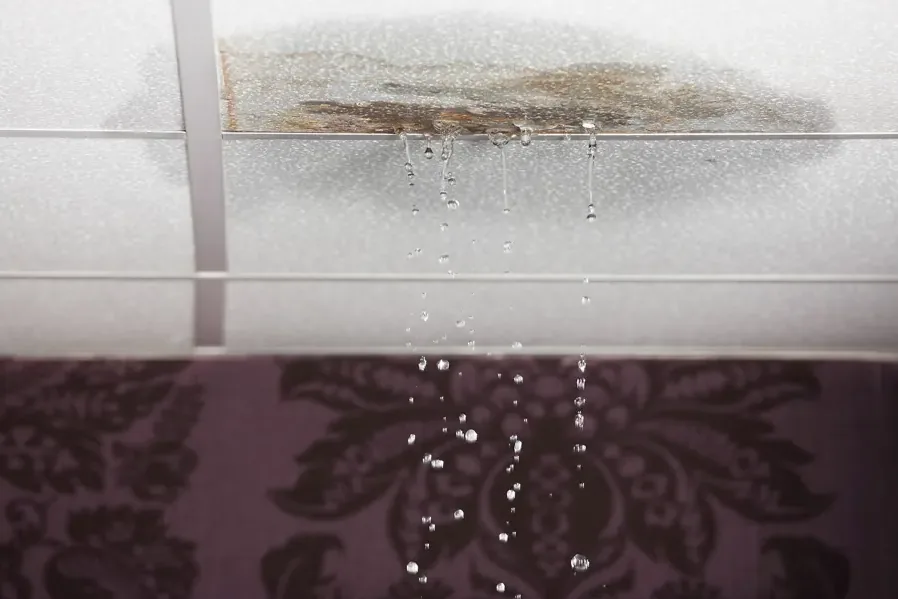
Ceiling Leak Water Damage
Overhead work requires a protected area below. Source tracing and cavity measurements distinguish a roof opening from plumbing or fixture water.
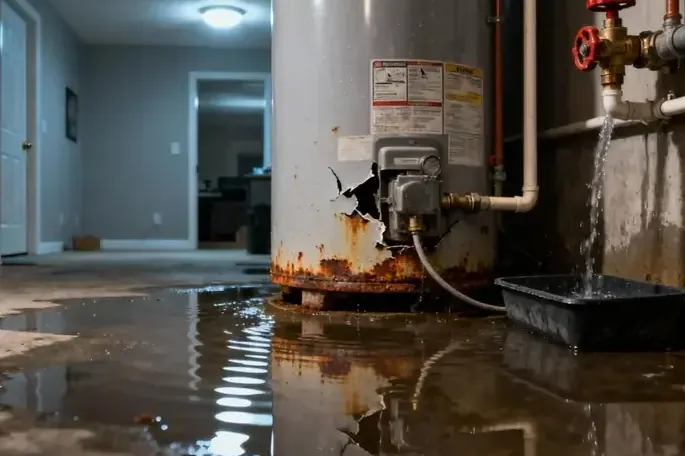
Water Heater Leak Cleanup
A leaking tank can saturate storage and wall bottoms. Cleanup includes the equipment footprint and any adjoining floor layers reached by water.
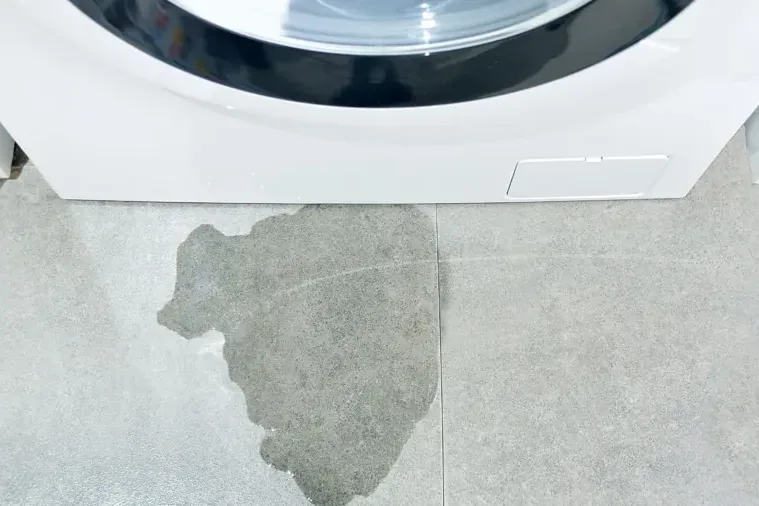
Appliance Leak Water Damage
Hoses and drain connections can leak behind fixed cabinets. Inspection reaches toe kicks, floor seams and rooms beneath the appliance.
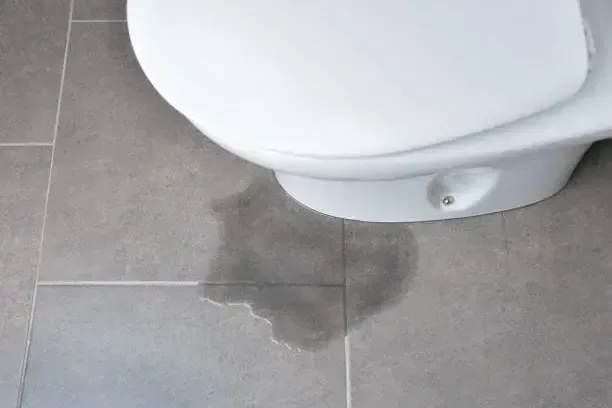
Bathroom and Shower Leak Water Damage
Fixture testing separates toilet, tub and shower problems. The moisture map follows subfloor seams and wall edges toward any lower ceiling damage.
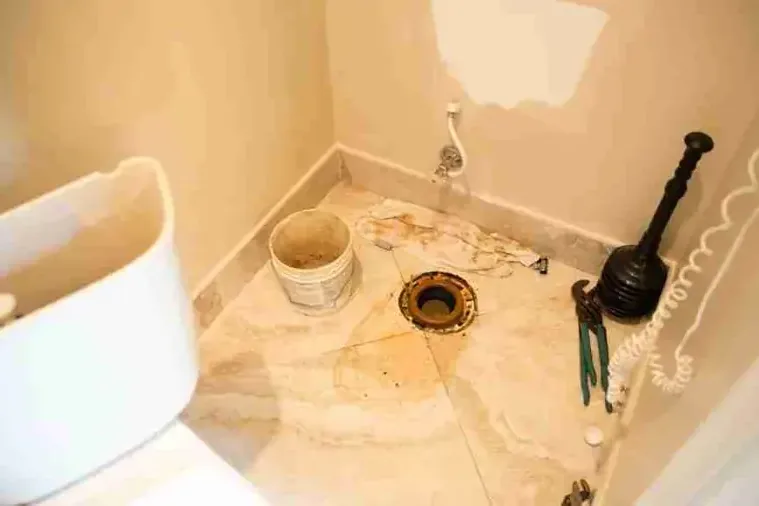
Sewage Backup Cleanup
Controlled access limits the spread of wastewater residue. Crews remove affected porous material and clean retained surfaces before evaluating drying needs.
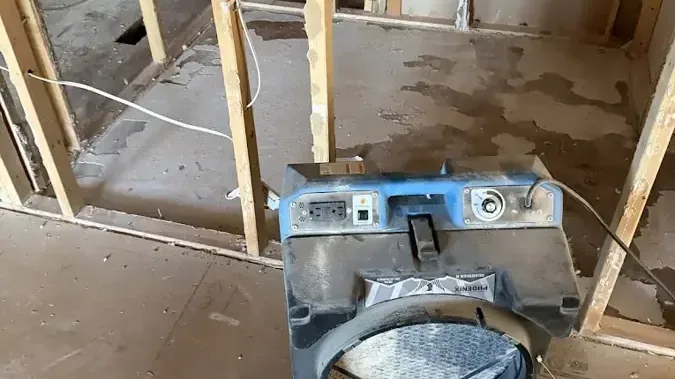
Structural Drying and Dehumidification
Material readings direct airflow and dehumidification after extraction. Monitoring continues at slow floor edges, wall cavities and framing selected for retention.
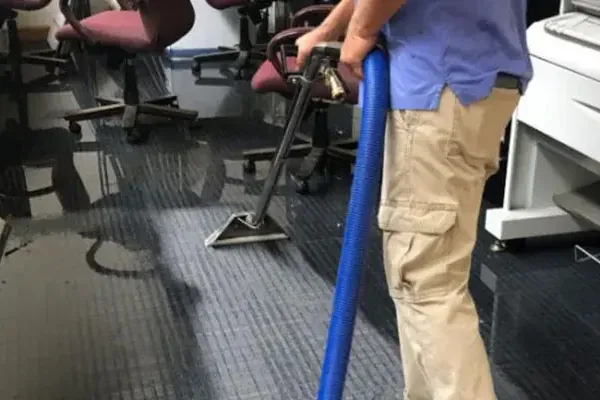
Commercial Water Damage
Facility contacts coordinate access around wet areas. Documented work zones support staged removal and drying while conditions determine whether unaffected operations continue.
Water category matters before drying starts
Recent supply water
A newly released plumbing source may begin with lower contamination, although contact and time can change conditions.
assessment pipe break cleanupUsed or traveled water
Water from fixtures, appliances or building cavities requires source specific evaluation before materials are retained.
Explore bathroom leak workSewage or outdoor entry
Wastewater and surface flow need stronger controls because contaminants can affect finishes, contents and work practices.
See sewage cleanupDecisions follow conditions in the building
The crew begins with safety, source and water category, then maps the affected material boundary. Liquid removal comes before controlled cleaning and drying. Readings collected during the project support equipment changes, material decisions and the final record rather than relying on appearance alone. Related plans cover water extraction and structural drying.
- 1
Inspect
Identify the entry path, affected rooms, contamination concerns and materials that require closer testing.
- 2
Extract
Remove accessible liquid with equipment suited to the depth, room layout and material surface.
- 3
Clean and dry
Address residue, establish airflow where appropriate and control indoor humidity around retained assemblies.
- 4
Verify
Technicians compare repeat readings with a suitable dry reference, checking the original moisture boundary before recording which materials meet the completion goal.
What water restoration may cost
Water damage work often falls between $1,300 and $32,000. Inspection determines the scope from the source, contamination, affected layers and access, with extraction readings revealing any additional materials that require treatment.
One room, clean water
$1,300 to $4,200
- one contained work area
- limited material access
- short equipment layout
Several rooms or lower level
$4,000 to $12,500
- broader moisture mapping
- selective finish removal
- multiple drying zones
Sewage, flood or whole floor
$11,000 to $32,000
- controlled work boundaries
- porous material disposal
- detailed documentation needs
These figures support early planning only. A written scope follows source identification, moisture mapping and material evaluation at the affected Vadnais Heights property.
Find the entry before opening wet finishes
Vadnais Lake is a protected regional water source, and water in its watershed eventually reaches East Vadnais Lake. Around a building, rain can collect beside hard surfaces and openings. The crew examines those entry points alongside plumbing, then maps damp flooring and wall bases to plan removal and drying.
Runoff beside the building
City flood guidance recommends reducing hard surfaces. Pooling at doors deserves attention after rain.
Water beneath finishes
A wet edge can extend under cabinets or floor coverings. Material readings identify where limited access is needed.
Sanitary backup response
The city provides sanitary sewer service. Cleanup of indoor wastewater needs containment and separate handling of affected porous materials.
Clear routes through the property
Service includes the County Highway 96 corridor and Vadnais Heights Elementary area, with clear equipment access.
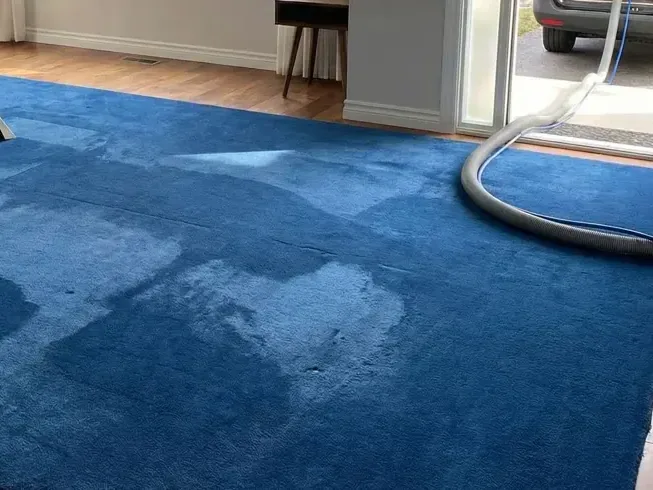
Keep the cause and scope clear
Policy decisions belong to the carrier, while accurate records can make the event easier to evaluate.
- time and place water was noticed
- confirmed source and shutoff action
- photos showing the first wet boundary
- affected rooms, contents and layers
- readings, invoices and work records
Records worth keeping together
Save photographs, receipts and messages in one folder. Write down when the water appeared, when flow stopped and which emergency steps occurred before restoration technicians arrived.
Ask the insurer what must be documented before damaged belongings or building materials leave the property. Moisture maps and daily equipment notes can explain why the scope changed.
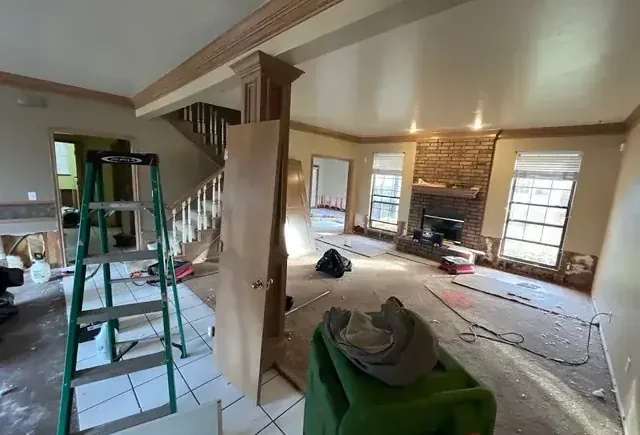
What a restoration setup can involve
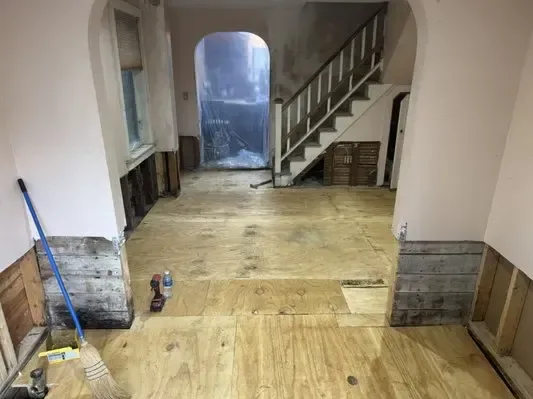
Water restoration for local properties
Homes, schools and commercial spaces
Coverage spans the city from the Vadnais Lake area to northwestern Vadnais Heights, including properties along the confirmed highway corridors and near local schools.
(888) 399-5795Ask about service at the propertyVadnais Heights, MN · [email protected]
Named areas and corridors
ZIP areas served
Nearby service areas
Water damage signs that deserve a closer look
Rain, snowmelt and plumbing leaks can leave similar marks indoors. The inspection follows each wet area to its source, checks the rooms beside and below it, and keeps occupants clear of contaminated or unstable materials.
- Winter plumbing release Concealed water can continue moving after a frozen section opens, so nearby rooms and lower levels need checks.
- Outdoor surface water Runoff may carry soil indoors and requires classification based on its path and contacts.
- Roof path Rain or snowmelt can cross insulation and framing before showing on a finished ceiling.
- Sanitary backup Wastewater requires controlled access, protective practices and careful porous material decisions.
- Occupied property Schools, homes and businesses may need staged work zones that separate restoration activity from safe unaffected space.
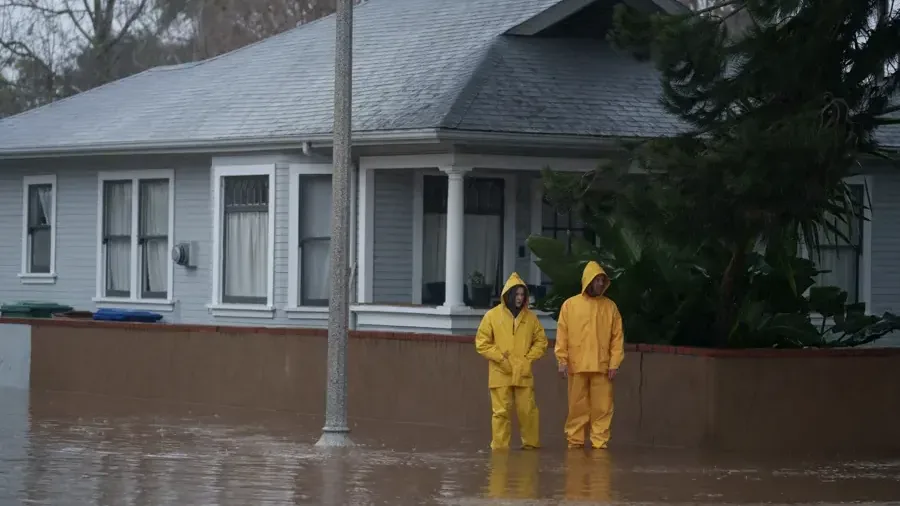
- Changing water edge
A growing puddle can feed the next room beneath a doorway. Source control and readings at floor transitions help limit the spread.
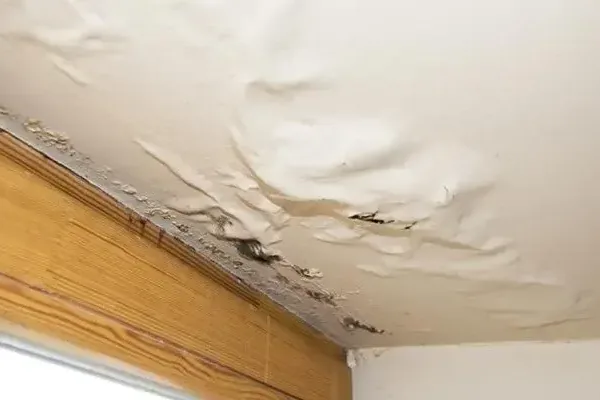
- Ceiling discoloration
A stain may follow plumbing or a roof opening. The crew checks overhead stability and traces damp insulation before selecting an access point.
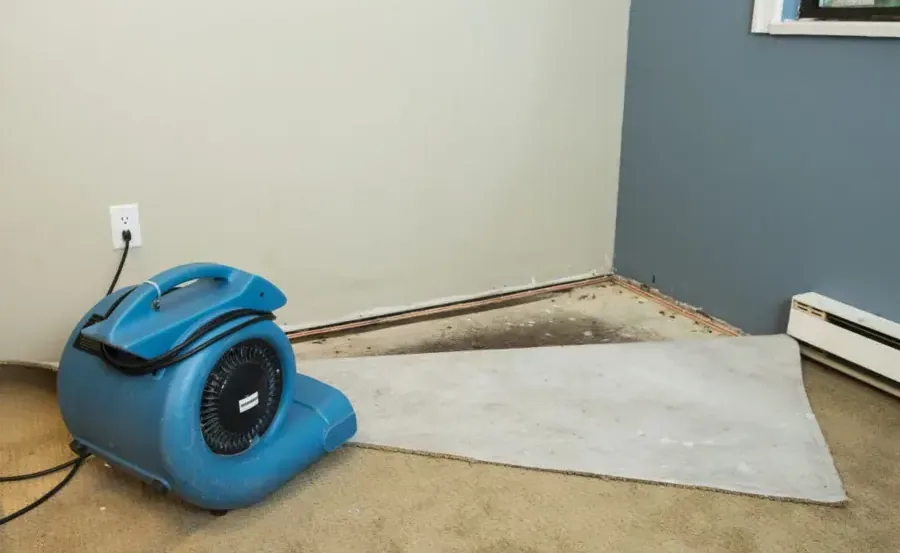
- Lifted flooring
Curled seams expose changes within a floor system. Measurements around the lifted edge show whether adjoining material needs further extraction or drying.
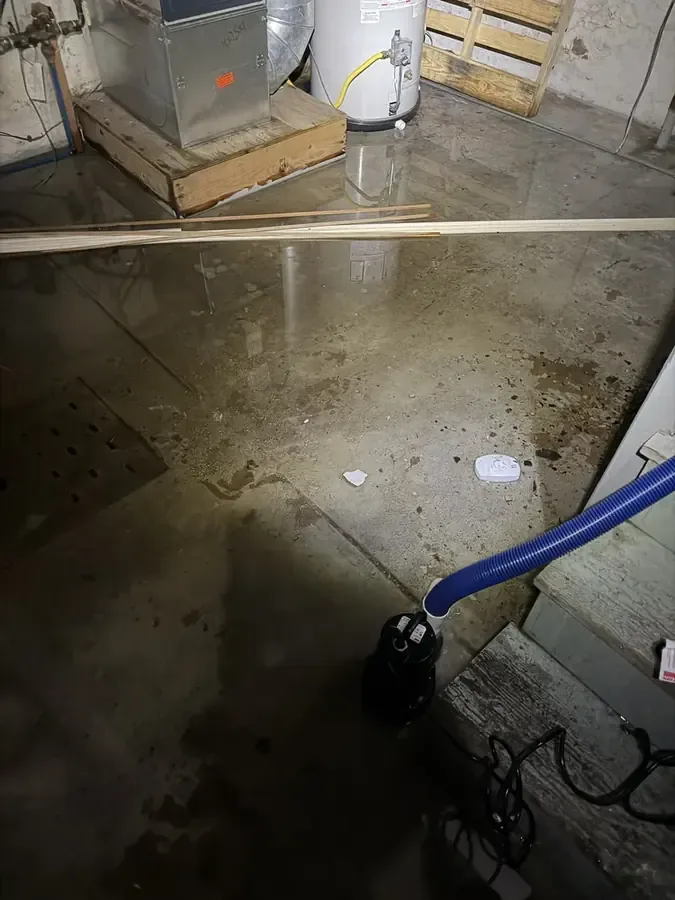
- Utility area dampness
Water around a tank can reach stored boxes and shared walls. Inspection includes the equipment footprint, wall bottoms and any connected flooring.
Vadnais Heights water damage questions
What should happen before extraction?
The source, electrical concerns, contamination and visible spread should be assessed first. That assessment determines safe access and helps select equipment for the actual water depth and materials.
Can water remain after the floor looks dry?
Yes. Moisture can stay beneath floor coverings, inside wall bottoms or between layers. Technicians use material readings to locate retained water beyond the open surface.
Does every wet finish need removal?
No. Water category, material type, physical damage and access all matter. Cleanable, stable material may remain when the team can verify suitable drying progress.
How is a drying goal selected?
Readings from affected materials are compared with an appropriate dry reference. The goal reflects the assembly and the conditions found at that property, not a visual guess.
Are the listed prices firm estimates?
No. They are planning ranges. A project estimate requires inspection of the source, affected layers, contamination, access and the amount of extraction or removal required.
What makes outside water different?
Water crossing the ground can carry sediment and other contaminants. Restoration planning may require controlled work zones, detailed cleaning and removal of porous materials that cannot be safely restored.
Where is service available in Vadnais Heights?
Service covers the five confirmed ZIP areas and named locations such as the Vadnais Lake area, County Highway 96 corridor and northwestern Vadnais Heights.
Can a ceiling spot come from plumbing instead of a roof?
Yes. Bathrooms, supply pipes, drains and roof openings can all send water into a ceiling. Source tracing should occur before opening finishes or placing drying equipment.
What records help with an insurance claim?
Photographs, the discovery time, source details, emergency actions, affected material notes and restoration readings create a useful chronology. Coverage decisions still come from the insurer and policy.
Water is moving through the building?
Share the source, affected rooms and any visible hazards so the first assessment can begin with the right priorities.
Define the wet boundary before damage spreads
A source specific response removes liquid, separates unsafe areas and measures moisture through each affected layer. The resulting record keeps cleanup and drying decisions tied to the building.
- Hudson, WI · Saint Croix County
- Dried to the IICRC S500 standard
- Find us on Google