Water Damage Restoration New Richmond, WI
A wet floor rarely shows the entire water path. Restoration technicians trace the source, test nearby materials, remove recoverable water and verify drying with repeat measurements.
(888) 399-5795Map the damage before it spreadsZIP 54017, from Downtown New Richmond to the Knowles Avenue corridor.
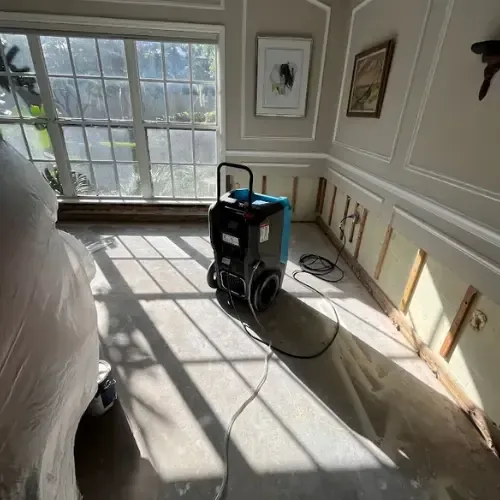
Keep the situation from becoming a second emergency
- 1
Choose safety first
Keep everyone out of sewage, outside floodwater, electrically hazardous rooms and spaces beneath a sagging wet ceiling.
- 2
Control plumbing flow
Close an accessible interior shutoff when the release is from building plumbing and reaching the valve presents no danger.
- 3
Move what is dry
Relocate reachable belongings away from the water path without entering contaminated water or handling unstable building material.
- 4
Create a simple record
Take photographs of the source, water edge and affected rooms before conditions change, provided the area is safe to enter.
- 5
Share useful details
Report when the water was found, whether flow has stopped and which levels show damage so assessment starts in the right place.
Water recovery for fourteen common loss types
Plumbing water, weather entry and wastewater affect buildings differently. The right service identifies the route, exposure category and material layers before cleanup starts.
 Common in New Richmond
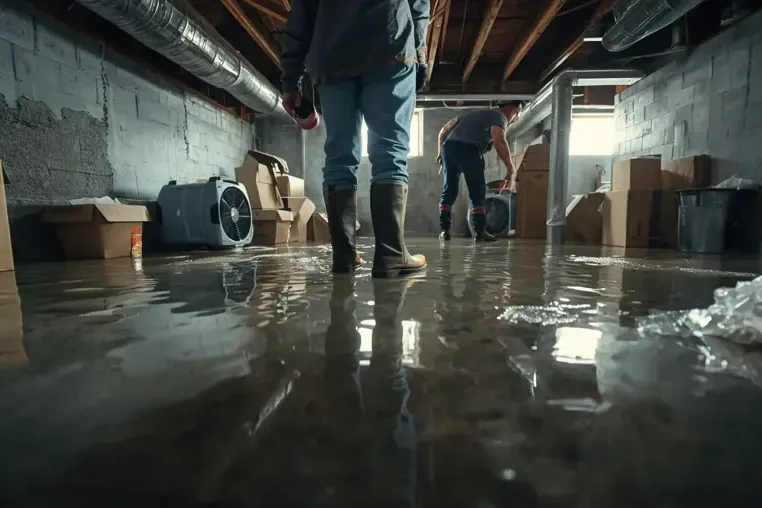
Storm and Flood Cleanup
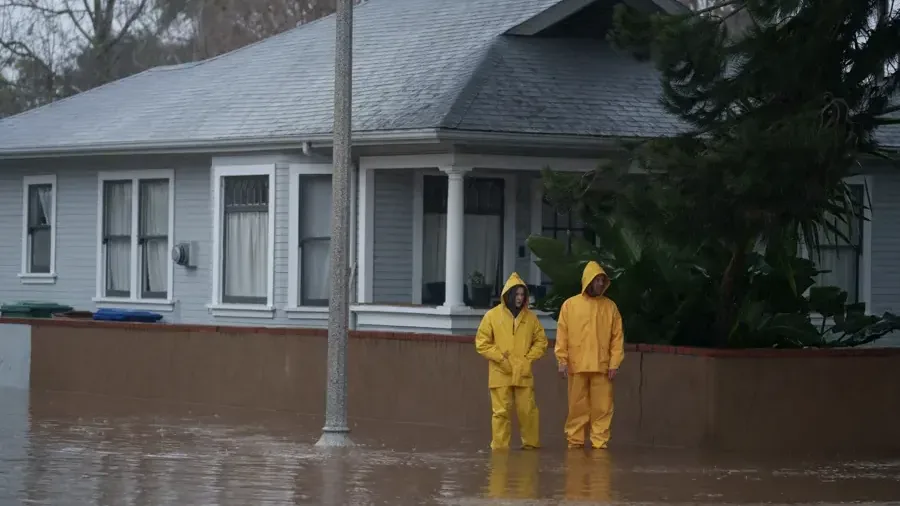
Rain, runoff and outside water call for source classification before extraction. Crews control tracked debris, evaluate porous finishes and document the remaining moisture boundary.
See storm and flood cleanup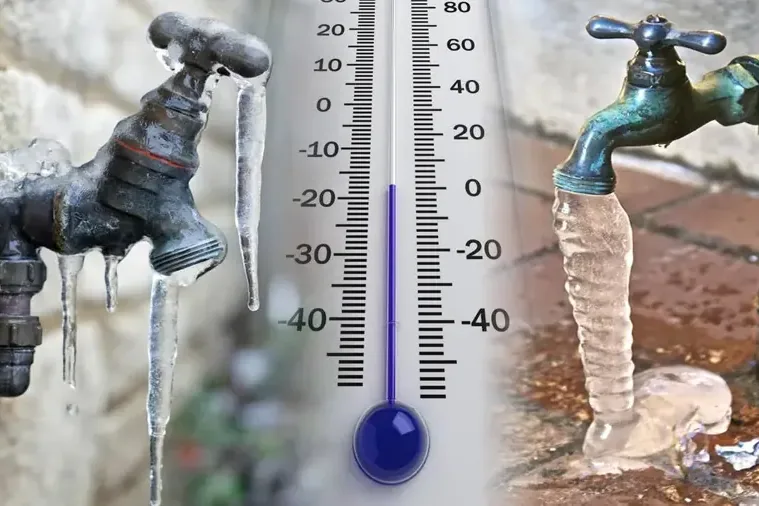 Common in New Richmond
Frozen Pipe Water Damage
A frozen section may open as temperatures change. Technicians stop the release, follow water through concealed spaces and check lower rooms for overlooked spread.
See frozen pipe water damage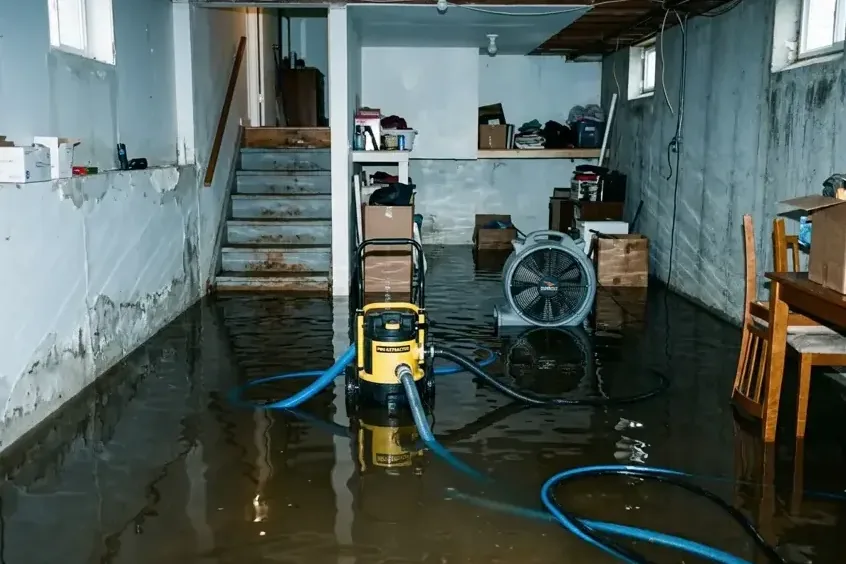
Basement Flood Cleanup
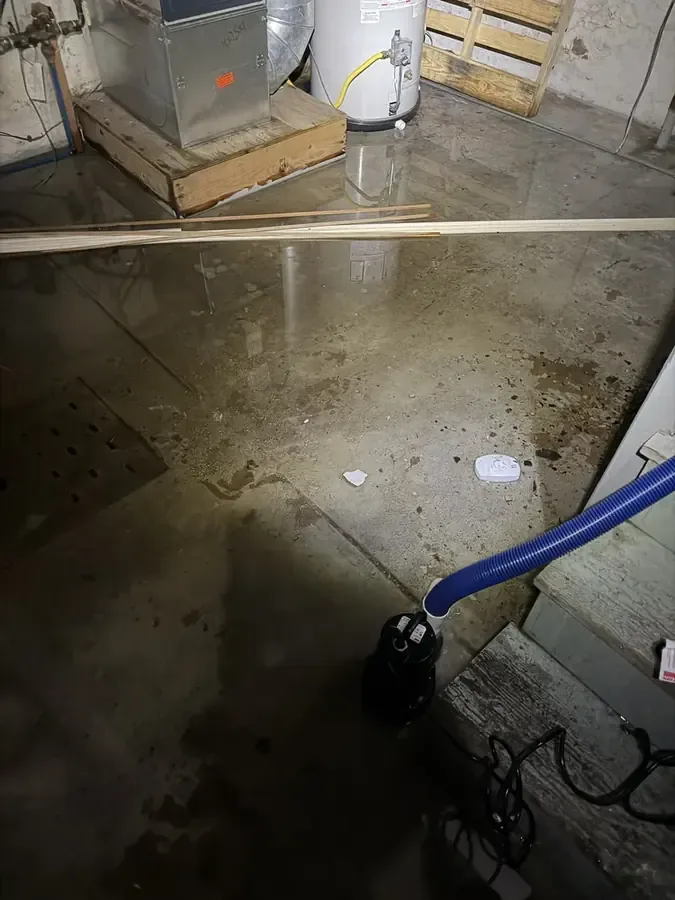
Lower level water can originate from plumbing, snowmelt, drainage or sewage. Identifying that source governs safe pumping, cleaning and decisions about wet materials.
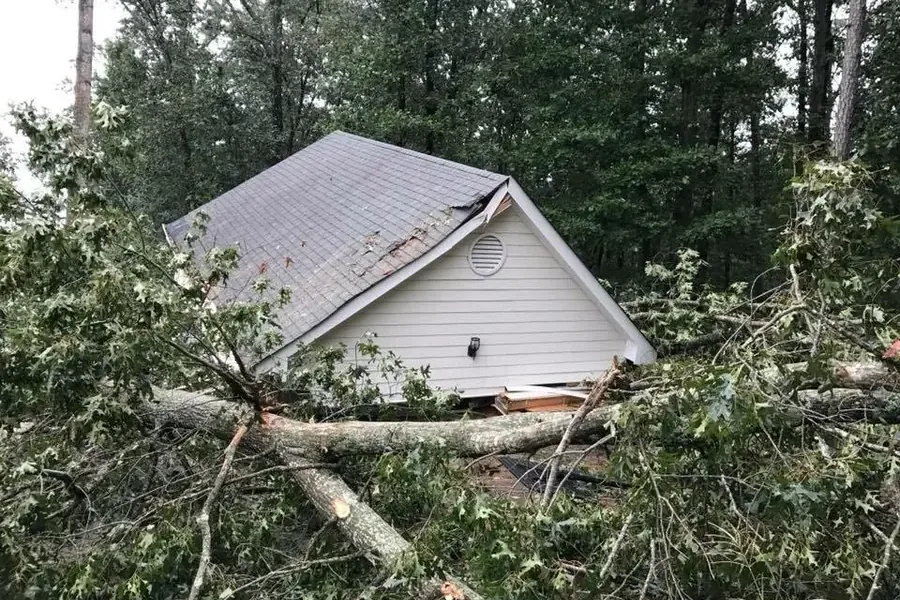
Roof Leak Water Damage
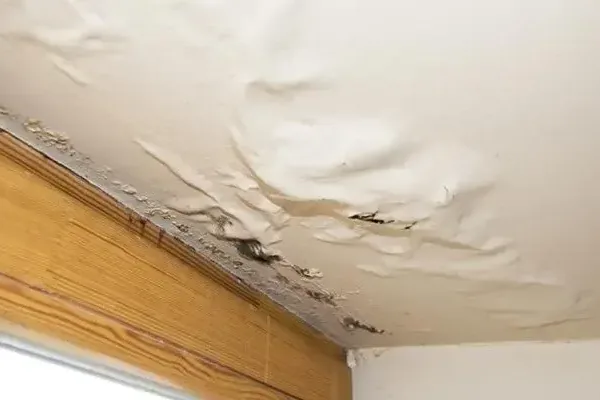
Roof entry may travel across insulation or framing before a stain appears. Inspection connects the opening with wet ceilings and walls, then defines selective access.
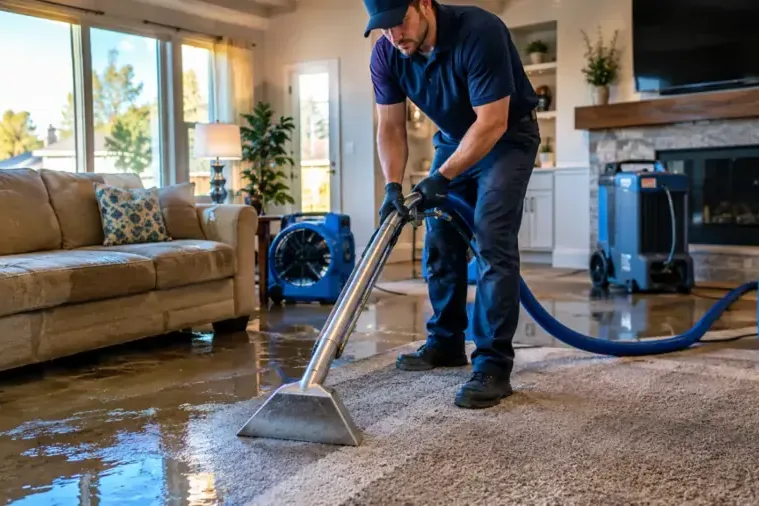
Emergency Water Extraction
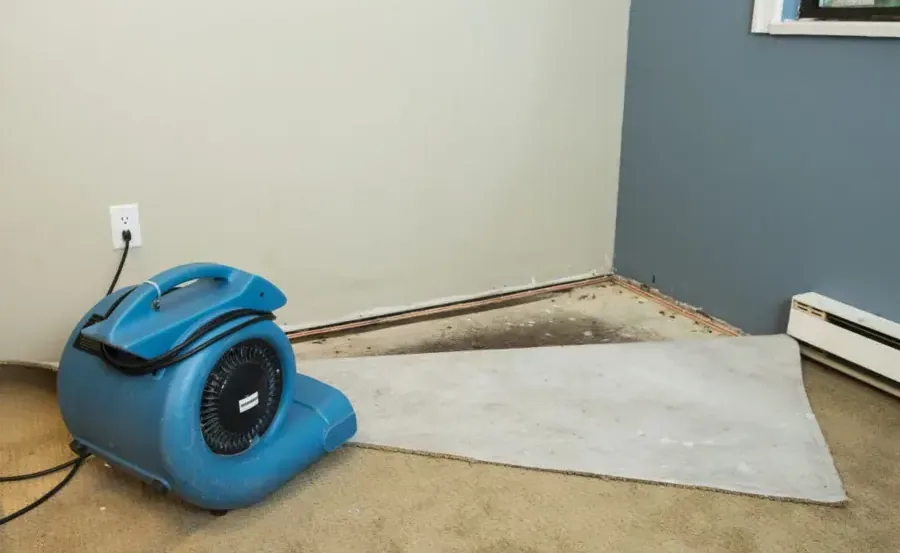
Standing water is removed before it can continue wicking into finishes. Portable tools reach separate rooms and edges while moisture mapping shows where drying must follow.
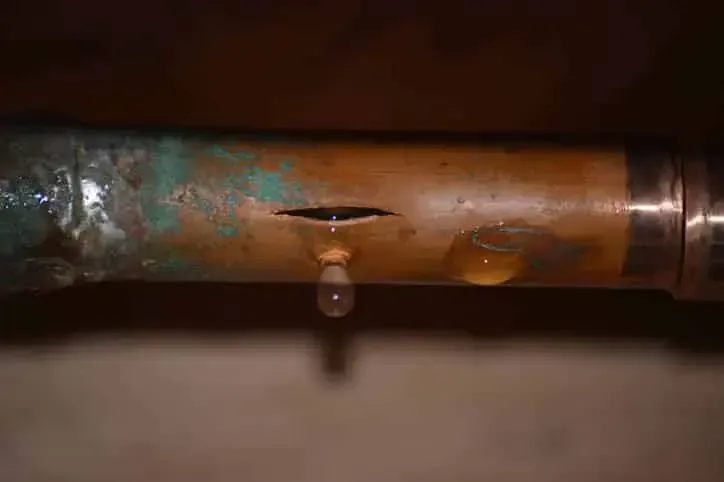
Burst Pipe Water Damage
A failed supply pipe can wet more than the room containing the break. Source shutoff, extraction and checks below the release establish the response boundary.
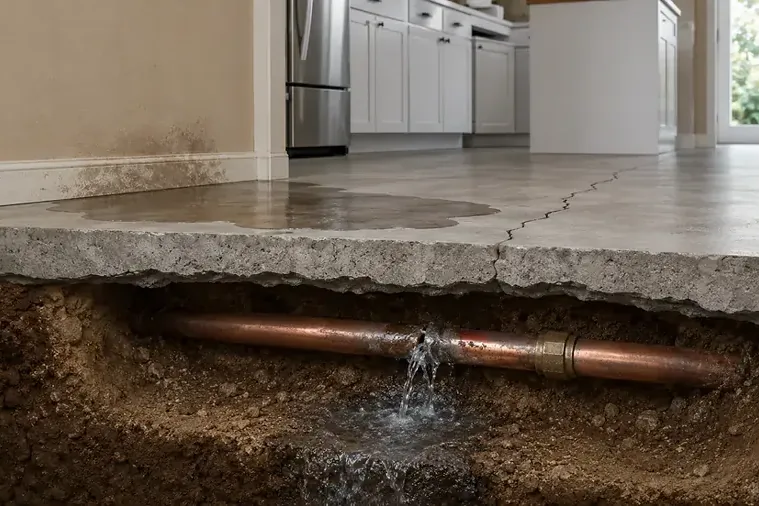
Slab Leak Water Damage
When a leak beneath a confirmed concrete slab is suspected, plumbing findings and moisture patterns direct access. No foundation type is assumed from location alone.
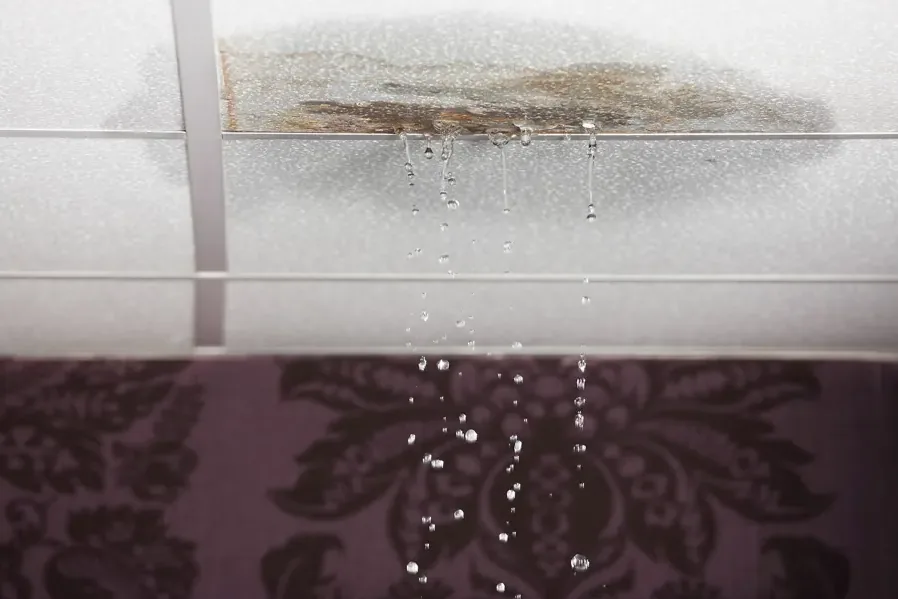
Ceiling Leak Water Damage
Overhead stains can trace to roof water, supply plumbing or drains. Technicians confirm the origin, address unstable material and measure the cavity before drying.
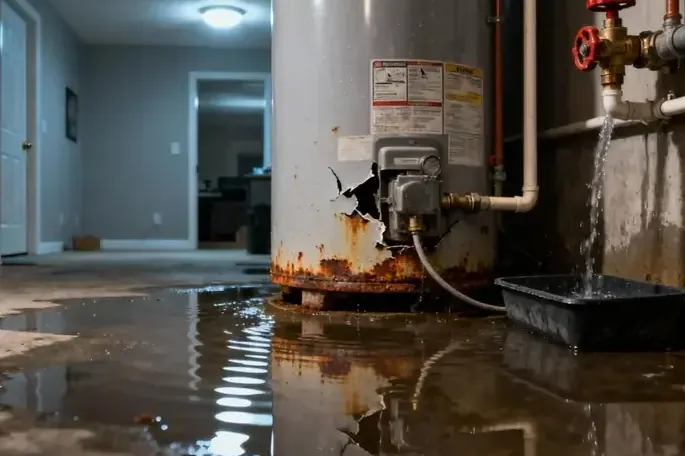
Water Heater Leak Cleanup
A tank or connection release can reach wall bottoms and adjacent flooring. Cleanup covers extraction, material checks and a recorded dry goal around the utility area.
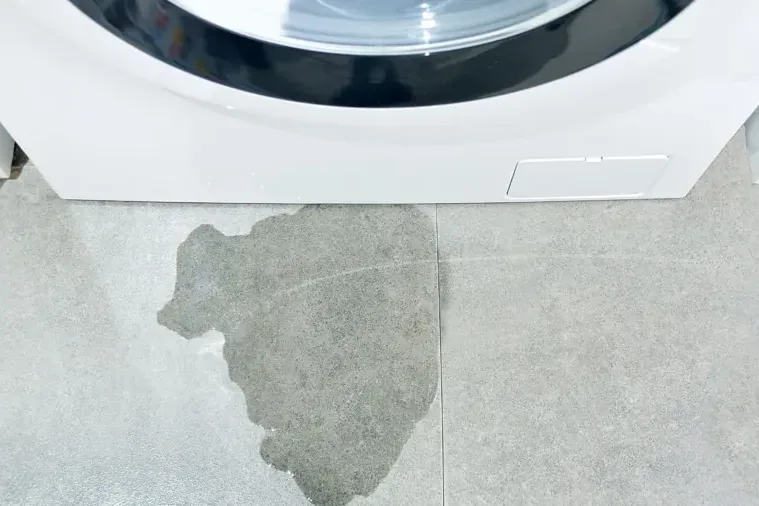
Appliance Leak Water Damage
Washer, dishwasher and refrigerator leaks often move beneath cabinets or flooring. Testing follows the likely route into neighboring space and any room underneath.
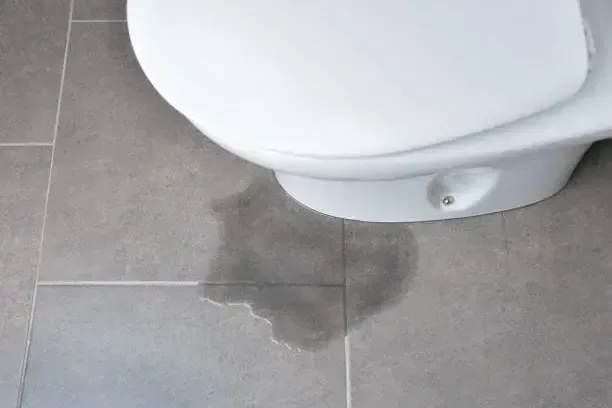
Bathroom and Shower Leak Water Damage
Toilet seals, shower assemblies, drains and supplies create distinct wet patterns. Source testing limits unnecessary opening while finding affected subfloor and ceiling material.
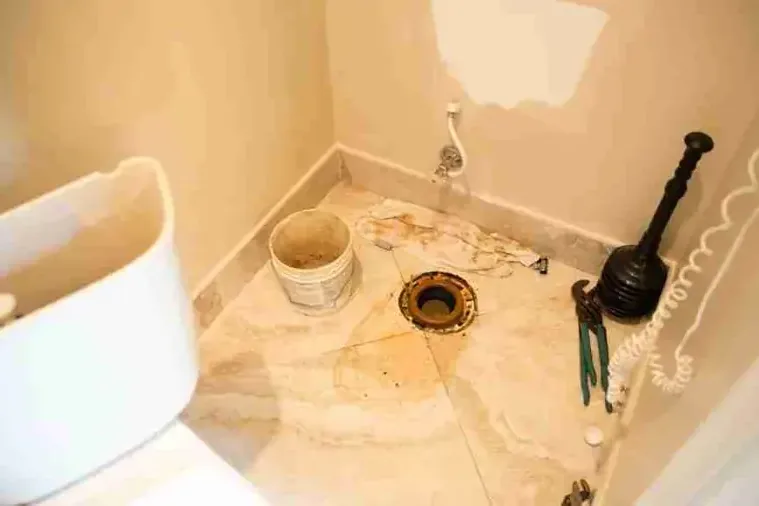
Sewage Backup Cleanup
Wastewater requires controlled access and protective handling. Affected porous material is separated from clean areas, while source correction remains a separate responsibility.
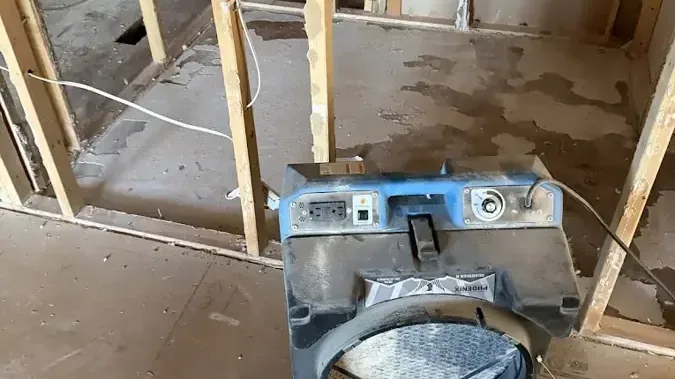
Structural Drying and Dehumidification
Surface appearance cannot confirm that framing or floor layers are dry. Meter records, dehumidification and adjusted airflow carry retained assemblies toward a documented target.
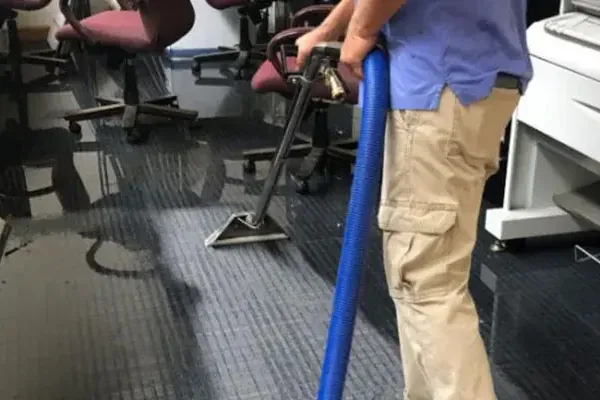
Commercial Water Damage
Business losses require a workable access plan as well as extraction. Staged zones, equipment records and communication with site contacts help protect ongoing operations.
Cleanup controls matched to water exposure
Recent supply release
Water from a supply fitting may begin with fewer contaminants. Prompt shutoff and extraction can limit how many assemblies become involved.
See burst pipe cleanupWater through building layers
Roof, bathroom and appliance leaks can collect residue while crossing insulation, cabinets or flooring. Testing defines the affected path.
See bathroom leak serviceWastewater or outside entry
Sewage and surface water need firm separation from clean areas, protective procedures and careful decisions about porous materials.
Understand sewage cleanupDrying decisions supported by a moisture record
The initial map compares affected materials with an appropriate dry reference. Emergency water extraction reduces the liquid load first. Then structural drying uses controlled airflow and dehumidification, with follow-up readings showing when retained floor, wall and framing materials have reached the selected goal.
- 1
Find and classify
Technicians confirm how water entered, what it contacted and whether electrical, structural or contamination concerns limit access.
- 2
Remove the liquid load
Extraction tools recover accessible water, while controlled openings expose pockets that cannot release moisture through intact finishes.
- 3
Balance the drying zone
Equipment placement responds to material depth, room volume and current readings rather than a fixed arrangement.
- 4
Document the dry goal
Repeated measurements show progress across selected materials and support a clear decision about equipment removal.
Materials, category and access shape restoration cost
An estimate reflects the source, contamination, number of wet layers, extraction volume and access for equipment. Inspection places the property within a suitable scope instead of relying on room size alone.
One room, clean water
$1,300 to $4,200
- Focused liquid water removal
- Selective baseboard or pad access
- Recorded moisture progress checks
Several rooms or lower level
$4,000 to $12,500
- Connected material layers assessed
- Planned openings where necessary
- Multiple drying zones monitored
Sewage, flood or whole floor
$11,000 to $32,000
- Contaminated materials controlled
- Broader cleaning and drying
- Detailed condition documentation
The ranges describe broad project sizes, not a quote for a particular address. A written estimate follows inspection of the source, wet materials and safe access needs.
Stop incoming water and protect the next room
The Willow River passes near central New Richmond, where a dam holds back its flow. Rainwater, a plumbing break and a drain backup each call for different source control. The restoration crew starts at the entry, removes standing water and checks connected flooring before dampness reaches more rooms.
Downtown and nearby homes
Service in ZIP 54017 includes Downtown New Richmond, Knowles Avenue and the Northwood Technical College area.
Water entering from outdoors
Soil and debris carried through a doorway change the cleaning plan. Wet porous finishes need prompt evaluation.
Stormwater drainage
The city maintains a stormwater program. Pooling near a building opening helps identify where rainwater entered.
Report a sewer backup first
New Richmond Utilities asks sewer customers to contact the utility before a plumber or another service professional.
Build a useful water loss record
Policy terms and the source affect coverage, so accurate records give the owner and carrier a clearer event history.
- discovery time and source status
- photographs showing the first conditions
- affected rooms and material layers
- emergency actions taken safely
- readings, removals and equipment notes
Records an owner can keep
Save photographs, receipts and carrier messages in one place. Write down when the water appeared, when flow stopped and which contents were moved before cleanup changed the room.
Ask what the policy requires before damaged items are discarded. A restoration file can add moisture maps, equipment changes, material decisions and final readings to the owner's record.
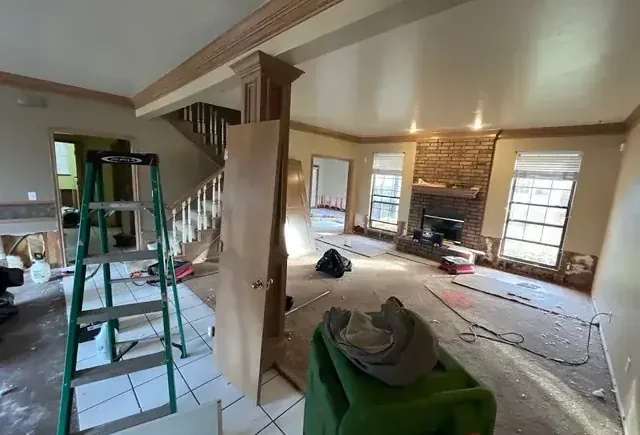
What inspection, removal and drying can involve
Water cleanup for local properties and corridors
Homes, rentals and operating spaces
Service reaches residential and commercial properties across the confirmed ZIP, including downtown, institutional areas, numbered highway corridors and roads near the Willow River.
(888) 399-5795Describe the building and water sourceNew Richmond, WI · [email protected]
Named areas within coverage
Confirmed ZIP area
Other communities served
Four signs that water has spread
A leak can travel under a floor before the surface changes. New staining, lifted edges and damp storage show where the next inspection should begin, while the water source determines cleaning and occupant protection.
- Cold weather plumbing Winter conditions can affect exposed or poorly heated pipe sections, but the vulnerable location must be found at the property.
- Water at exterior openings Water marks, sediment and damp thresholds help trace outside water into a room and identify the surfaces needing cleaning.
- Storm drainage Runoff can gather beside a doorway or low opening. Checking the approach and adjacent wall base helps locate indoor spread.
- Multilevel travel Water from an upper fixture may reach insulation, a ceiling and wall cavities before appearing downstairs.
- Sanitary backup New Richmond Utilities publishes a contact-first process that owners should follow when a sewer backup occurs.
- A widening floor edge
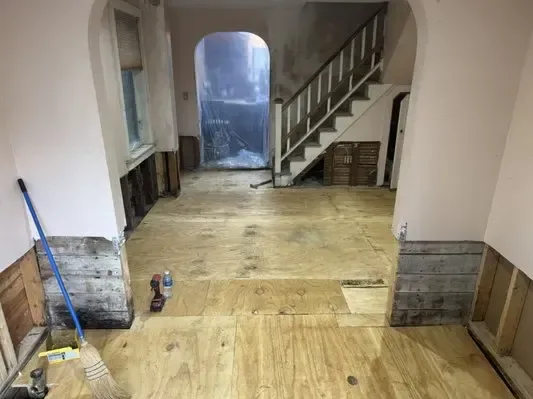
Dampness beneath flooring may reach a neighboring room. Technicians check thresholds and wall bases after recovering the visible puddle.
- Changes after a thaw
A frozen pipe can start leaking as it warms. Reduced flow followed by new staining needs prompt source control and inspection.
- Debris with outside water
Soil carried indoors collects beneath furniture and along trim. Cleanup contains the residue before handling wet finishes or moving equipment.
- Odor near a backup
Wastewater requires a separate work area. New Richmond Utilities should receive the first report while occupants stay away from affected rooms.
New Richmond water damage questions
What does the first inspection cover?
Technicians identify the source, exposure category, safety concerns and visible damage. Moisture testing then follows the likely route into floors, walls, ceilings and adjoining rooms.
Should the water shutoff be closed?
Close an accessible interior valve when the release comes from plumbing and the area is safe. Do not enter standing water when electrical or structural hazards may be present.
Can a dry surface still hide water?
Yes. Floor layers, insulation and wall cavities can retain moisture after a visible puddle disappears. Material readings help distinguish a dry surface from a dry assembly.
Does every wet finish need removal?
No. The water category, material stability, access and response to drying shape that decision. Removal is focused on material that cannot be cleaned or dried safely.
How are sewage backups handled locally?
Keep people away from the affected area and follow New Richmond Utilities instructions about contacting the utility before another service professional. Restoration work uses contamination controls.
Does the Willow River prove flood exposure?
No. A wet room can result from a pipe break, roof entry, a drain backup or outdoor runoff. The crew confirms whether entry came from runoff, a roof, plumbing or another source.
What determines restoration cost?
Key factors include contamination, extraction volume, number of wet material layers, necessary access and drying progress. A site inspection provides the basis for a written scope.
How is drying completion decided?
Readings from affected materials are compared with an appropriate dry reference. Equipment remains or changes based on recorded progress rather than touch or appearance alone.
Which parts of New Richmond are served?
Coverage includes ZIP code 54017 and properties around Downtown New Richmond, Knowles Avenue, Fourth Street, Northwood Technical College and the listed county road corridors.
Water still moving through the building?
Share the known source, rooms affected and any safety concern so the inspection can begin with the right priorities.
Turn visible damage into a measured recovery plan
Source control, extraction and a complete moisture map reveal what the building actually needs. Documented drying then supports confident repair decisions for each retained material.
- Hudson, WI · Saint Croix County
- Dried to the IICRC S500 standard
- Find us on Google