24/7 water damage dispatch for Hudson and Saint Croix County
Contaminated water needs control

Sewage Backup Cleanup in New Richmond, WI

A sanitary backup creates a Category 3 exposure that ordinary mopping cannot resolve. The affected area must remain restricted while the source is reported, porous material is evaluated and clean space is protected.

(888) 399-5795Contain the sewage affected area
Category 3 work controls Utility instructions reviewed Clean areas protected
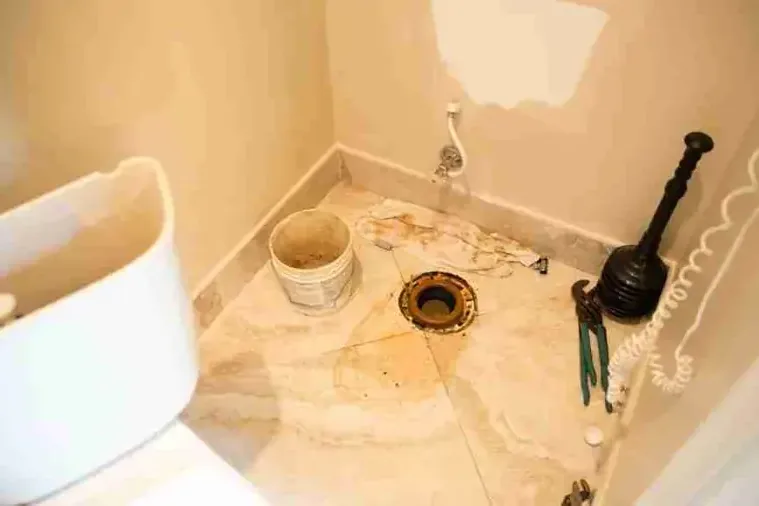
Removed toilet reveals an open drain and stained bathroom floor
Right now

First steps for sewage backup cleanup in New Richmond

  1. 1

    Restrict access immediately

    Keep occupants, pets and ordinary household equipment outside the wastewater affected rooms.

  2. 2

    Check utility instructions

    Contact New Richmond Utilities as its sanitary backup instructions directs before arranging ordinary plumbing service.

  3. 3

    Do not move porous items

    Leave contaminated carpet, boxes and furnishings in place unless safe professional handling is available.

  4. 4

    Request Category 3 cleanup

    Have containment, removal, cleaning and drying planned as one controlled restoration sequence.

Sewage Backup Cleanup: the trade facts

ExposureTreat sanitary wastewater as Category 3.
Local actionCheck utility contact instructions first.
Material ruleRemove porous items that cannot be cleaned.
SeparationKeep clean rooms outside the work path.

A sewage backup is both a source problem and a contaminated interior. People and pets should remain outside the affected area. Restoration begins with a controlled work route, while utility or plumbing professionals address why wastewater entered the building.

Follow the local reporting sequence

New Richmond Utilities publishes sanitary sewer backup information and asks sewer customers to contact the utility before a plumber or other service professional. Property owners should assessment and follow that direction. A no-fault reimbursement policy may apply when the utility is contacted first, but eligibility and payment are never certain by the restoration crew.

The same instructions applies whether the property is near Downtown New Richmond, County Road A or the Knowles Avenue corridor. The utility report and plumbing findings direct the source repair while restoration addresses contaminated rooms. Source findings and the utility process govern those questions.

Typical cost ranges

What does sewage backup cleanup cost in New Richmond, WI?

Sewage backup cleanup may range from $2,200 to $28,000. Affected area, porous material volume, access, containment and cleaning needs determine the inspected project tier.

Contained sewage area

$2,200 to $9,500

  • one restricted work zone
  • focused porous removal
  • retained surface cleaning

Several contaminated materials

$9,500 to $18,800

  • floor and wall involvement
  • expanded protective controls
  • multiple cleanable zones

Extensive wastewater loss

$18,800 to $28,000

  • broad containment layout
  • substantial material handling
  • detailed verification records

Ranges are typical figures, not a quote. The category of water, the square footage, the material class and how fast drying started move the number most. The water damage cost calculator gives a closer range.

Step by step

How sewage backup cleanup is handled in New Richmond

The tech who does the walkthrough finds the source and maps the moisture before equipment goes down, and the drying team keeps it running until the readings say dry.

  1. 1

    Establish contact and source status

    Utility instructions and plumbing findings are handled before ordinary restoration access.

  2. 2

    Contain the affected rooms

    Protective procedures separate wastewater work from clean occupied areas.

  3. 3

    Remove and clean

    Unsalvageable porous material leaves under control, while retained surfaces receive appropriate cleaning.

  4. 4

    Dry and document

    Measured drying follows contamination controls and records the condition of retained assemblies. Clean routes, removed materials and retained surfaces stay documented through the final moisture check.

Create a one way route through the affected area

Workers use protective equipment and containment suited to the exposure. Standing wastewater is recovered with appropriate tools. Traffic, debris and equipment movement are planned to avoid crossing clean rooms or carrying residue beyond the boundary.

Carpet pad, wallboard, insulation and other porous materials that cannot be safely cleaned are removed under control. Durable surfaces selected for retention receive detailed cleaning appropriate to their material and condition. Items are documented before disposal decisions whenever safe handling allows.

Dry only after contamination is addressed

Air movement is not introduced in a way that disperses contamination. Once removal and cleaning establish suitable conditions, dehumidification and directed airflow address retained framing and other cleanable assemblies. Readings show whether moisture remains at floor edges and wall bottoms.

Basement flood cleanup compares several possible lower level sources. Structural drying explains material monitoring after cleaning controls are complete. Drain or sewer repair remains a separate source task.

Keep a defensible cleanup record

The file can include initial conditions, utility contact timing provided by the owner, work boundaries, removed materials, cleaning steps and final moisture readings. That documentation supports later repair planning without promising insurance or utility reimbursement.

Contents inside the boundary are handled according to contact and cleanability. Hard, nonporous items may be candidates for controlled cleaning, while absorbent goods can retain contamination beyond the surface. Technicians document condition before moving or discarding material whenever safe procedures allow. The cleared area then exposes wall edges, floor transitions and utility penetrations for cleaning and moisture checks. This sequence prevents stored items from blocking the work or carrying residue through a clean route. Owner decisions remain documented without making assumptions about policy coverage.

Final photographs show the cleaned boundary, retained surfaces and areas prepared for repair after contaminated material has left the controlled route.

New Richmond, WI service area
Service area

Sewage backup cleanup across New Richmond and nearby towns

Sewage cleanup serves ZIP code 54017, including Downtown New Richmond, County Road A, Knowles Avenue, Fourth Street and the Wisconsin Highway 64 corridor properties.

The same service nearby: sewage backup cleanup in Hudson, Stillwater, River Falls.

Water damage restoration in New Richmond · every town covered

Questions and answers

Sewage Backup Cleanup questions in New Richmond, WI

Who should be contacted after a sewer backup?

New Richmond Utilities asks sewer customers to contact the utility before a plumber or other service professional. Check the current utility instructions for the required sequence.

Is reimbursement certain?

No. A no-fault policy may apply when the utility is contacted first, but the restoration provider cannot promise eligibility, coverage or payment.

Can sewage be cleaned with household products?

Ordinary cleaning does not address the full Category 3 exposure. Controlled access, material decisions and detailed surface treatment are needed.

Why are porous materials removed?

Wastewater can penetrate materials that cannot be reliably cleaned. Condition, exposure and safe handling determine the documented removal boundary.

When can drying equipment begin?

Drying follows removal and cleaning controls. Air movement is arranged only when it will not disperse contamination into other areas.

What should the owner photograph?

From a safe location, record visible wastewater, affected rooms and contents. Keep utility contact details and restoration documents with those images.

Can hard contents be cleaned after sewage contact?

Some durable, nonporous items may be candidates for controlled cleaning, while absorbent goods can retain contamination. Material, condition and exposure determine the documented decision, and items must not travel through clean rooms without proper handling. The work record identifies how each handled item left the controlled area or remained for a later decision.

Still dealing with it?

Wastewater requires firm separation from occupied space and a careful local reporting sequence. Controlled cleanup protects unaffected rooms while source correction proceeds separately.

(888) 399-5795Keep sewage work inside one boundary
24/7 emergency dispatch

Arrange Category 3 cleanup locally.

Technicians remove unsalvageable porous material, clean retained surfaces and document drying without promising reimbursement or policy coverage.

(888) 399-5795Sewage backup cleanup help
Call (888) 399-5795 · 24/7