24/7 water damage dispatch for Hudson and Saint Croix County
Category 3 cleanup controls

Sewage Backup Cleanup in Stillwater, MN

A drain backup or toilet overflow containing sewage requires isolation, protective equipment and controlled removal. Cleanup separates contaminated porous material from surfaces that can be fully washed and dried. Structural surfaces are measured afterward.

(888) 399-5795Isolate the sewage affected area
Category 3 containment Porous material removal Cleaning and drying records
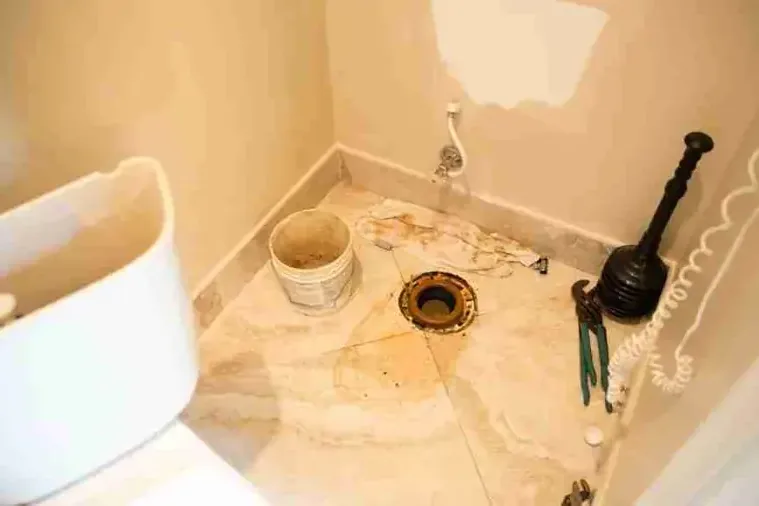
Removed toilet reveals an open drain and stained bathroom floor
Right now

First steps for sewage backup cleanup in Stillwater

  1. 1

    Close access to the room

    Keep occupants and pets outside the wastewater area until the cleanup supervisor permits reentry.

  2. 2

    Stop fixture use

    Avoid further discharge through the affected drain while a plumbing provider investigates the blockage.

  3. 3

    Leave porous contents in place

    Trained workers should arrange contaminated item removal without carrying residue through clean household rooms.

  4. 4

    Request Category 3 cleanup

    The cleanup scope should include controlled removal, surface cleaning and drying records.

Sewage Backup Cleanup: the trade facts

Water categoryCategory 3 wastewater
AccessRestricted until cleanup
Material ruleRemove contaminated porous items
Final workClean, dry and document

Sewage changes the response from ordinary extraction to contamination control. Occupants should avoid the room and keep children and pets away. A plumber addresses the drain condition, while trained cleanup personnel handle wastewater, affected materials and structural drying.

Establish a dirty zone and a clean route

Containment marks where protective equipment is required and where debris can travel. Tools used in the affected space do not move freely through dry rooms. Workers document the wastewater boundary, visible solids and contacted contents before removal. Air movement is managed so contamination is not spread into occupied areas.

Typical cost ranges

What does sewage backup cleanup cost in Stillwater, MN?

Sewage cleanup ranges from $2,200 to $28,000. Porous material disposal, protected debris routes and the size of the contaminated area influence cleanup labor and subsequent structural drying.

Contained area

$2,200 to $9,500

  • Single room containment
  • Wastewater extraction control
  • Hard surface cleaning

Several materials

$9,500 to $18,800

  • Multiple finish removal
  • Debris transfer route
  • Framing moisture records

Large or contaminated loss

$18,800 to $28,000

  • Extensive contaminated contents
  • Several containment areas
  • Complex structural drying

Ranges are typical figures, not a quote. The category of water, the square footage, the material class and how fast drying started move the number most. The water damage cost calculator gives a closer range.

Step by step

How sewage backup cleanup is handled in Stillwater

The tech who does the walkthrough finds the source and maps the moisture before equipment goes down, and the drying team keeps it running until the readings say dry.

  1. 1

    Restrict the affected space

    Barriers identify the contaminated room and establish a separate route for workers, tools and bagged material leaving containment.

  2. 2

    Remove contamination sources

    Crews recover wastewater and remove porous finishes that cannot be cleaned throughout, recording the original limits of contact.

  3. 3

    Clean exposed surfaces

    Accessible hard surfaces and retained structural components receive appropriate cleaning before normal drying airflow begins within the area.

  4. 4

    Verify structural drying

    Measurements behind removed finishes establish the condition of framing and floor layers before the cleanup supervisor releases containment.

Remove porous material that cannot be cleaned throughout

Carpet pad, saturated wallboard, insulation and similar materials may hold wastewater beyond the reach of surface cleaning. Controlled removal exposes edges and framing for treatment. Hard, nonporous surfaces can remain when all sides are accessible for cleaning. Each decision is recorded by material and location.

Clean before beginning normal drying

Extraction reduces liquid, but it is not the final sanitation step. Remaining surfaces receive suitable cleaning after gross contamination is removed. The Hudson sewage cleanup service explains the central process. Equipment for drying is placed only after the work zone is ready and recoverable materials are exposed.

Measure structural components behind removed finishes

Wall plates, framing and subfloor can remain damp after contaminated finish material leaves. Technicians compare readings over time and adjust dehumidification to the actual load. The final documentation connects cleaning, removed materials and moisture results rather than treating odor or surface appearance as completion evidence.

Protect reentry with a clear closeout

The file identifies rooms included in containment, waste handling, surfaces cleaned and materials left in place. Photographs show the post removal condition. Unreachable cavities are listed as limitations. Occupants receive a defined handoff after controls are removed and the documented mitigation scope is complete.

Prevent cross contact during debris handling. Bagging and transport routes are planned before contaminated material moves. Door protection, tool control and cleaning stations reduce contact with unaffected floors. Workers do not stage wastewater debris in a clean room for convenience. After removal, the route itself is inspected and cleaned as required. These details matter because the cleanup boundary includes how material leaves, not only where the backup began.

The supervisor records that transition.

  • Keep everyone out of the wastewater affected room.
  • Avoid fans that can move contamination to clean areas.
  • Do not carry porous contents through the household.
  • Arrange drain correction separately from structural cleanup.

Sewage cleanup within ZIP 55082 can serve Downtown Stillwater, North Hill and West Stillwater after a confirmed backup. The Stillwater restoration hub also covers clean water extraction and drying without mixing those controls with Category 3 work.
Stillwater, MN service area
Service area

Sewage backup cleanup across Stillwater and nearby towns

Wastewater cleanup is available across ZIP 55082 in South Hill, North Hill, Downtown Stillwater and West Stillwater, with containment selected for the actual backup and material contact.

The same service nearby: sewage backup cleanup in Hudson, Maplewood, Vadnais Heights.

Water damage restoration in Stillwater · every town covered

Questions and answers

Sewage Backup Cleanup questions in Stillwater, MN

Can occupants clean a small sewage backup?

Sewage contains contamination that requires restricted access, protective equipment and controlled handling. Occupants should avoid contact and keep others away while a plumber addresses the drain and cleanup personnel establish the work zone. The work zone stays closed until formal handoff.

Why are porous materials often removed?

Wastewater can penetrate carpet pad, wallboard and insulation beyond the reach of surface cleaning. Removal eliminates material that cannot be fully treated and provides access to framing or subfloor that still needs cleaning and drying. Debris routes remain separate from clean household traffic.

Does extraction sanitize the room?

No. Extraction removes liquid and solids but does not replace detailed cleaning. Exposed hard surfaces require treatment after gross contamination is gone, followed by measured drying of materials that are safe to retain. Cleaning records identify surfaces and methods used.

Can air movers run immediately?

Airflow is controlled during the contaminated phase because it can spread unwanted material. Drying equipment is arranged after containment, removal and cleaning prepare the remaining structural surfaces for evaporation. Containment conditions determine when normal airflow can begin.

Who corrects the backed up drain?

A qualified plumbing provider investigates and corrects the drain condition. The restoration scope covers wastewater removal, contaminated material handling, cleaning, structural measurements and drying within the affected rooms. Both scopes remain distinct in the incident file.

What marks the end of sewage cleanup?

Closeout includes completed removal, documented cleaning and final moisture results for retained structural components. The record should list inaccessible areas and show when containment and protective controls were removed. Reentry follows the completed documented cleanup scope.

Still dealing with it?

Wastewater requires restricted access and controlled handling.

(888) 399-5795Request a sewage cleanup assessment
24/7 emergency dispatch

A wastewater backup here? Keep everyone outside the affected room.

Trained personnel can contain the area, remove contaminated porous material, clean exposed surfaces and verify structural drying before handoff. Closeout documents sanitation, retained framing and the removed containment boundary.

(888) 399-5795Start Category 3 cleanup
Call (888) 399-5795 · 24/7