24/7 water damage dispatch for Hudson and Saint Croix County
Lower level water cleanup

Basement Flood Cleanup in Stillwater, MN

Lower rooms can collect water from plumbing failures, rain, snowmelt or groundwater. The cleanup sequence identifies the source, protects mechanical areas and evaluates every floor and wall layer reached. Contents receive separate handling decisions.

(888) 399-5795Evaluate the lower level loss
Source specific controls Low point extraction Finish moisture tracking
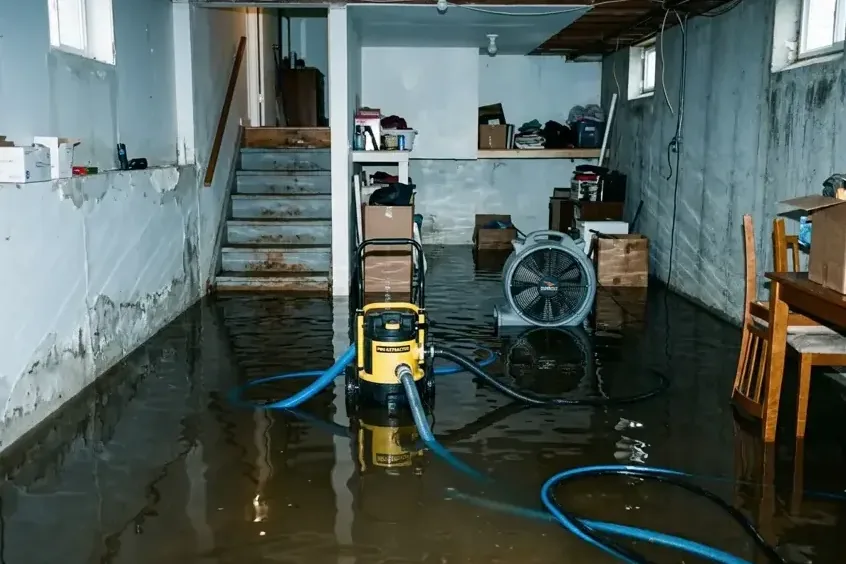
Standing water covers a basement floor around hoses and drying machines
Right now

First steps for basement flood cleanup in Stillwater

  1. 1

    Stay out of unsafe water

    Keep the lower room closed when water surrounds electrical equipment or contains unknown contamination.

  2. 2

    Identify the likely source

    Describe the weather, plumbing activity or drain behavior that preceded discovery of the water.

  3. 3

    Protect dry stored items

    Move reachable dry belongings along an uncontaminated route and record their original positions.

  4. 4

    Request a complete survey

    Include utility spaces, perimeter shelving and finished wall bottoms in the basement inspection.

Basement Flood Cleanup: the trade facts

Possible sourcesPlumbing, runoff or groundwater
Safety focusUtilities and contaminated water
Hidden concernFloor edges and wall bottoms
Drying basisAssembly specific measurements

A flooded basement is a collection point, not a diagnosis. The same puddle might come from a failed appliance, a broken pipe, exterior runoff or rising groundwater. Correct classification guides safe entry, disposal, cleaning and the choice of equipment.

Find the route into the lower level

The inspection starts at the lowest visible water and works toward likely entry paths. A clean plumbing release does not receive the same controls as soil laden outside water or sewage. Crews also note electrical equipment, heating equipment and stored contents before moving through the space. Downtown Stillwater includes older commercial buildings with basement spaces, while established homes elsewhere need property specific inspection.

Typical cost ranges

What does basement flood cleanup cost in Stillwater, MN?

Basement flood work generally spans $1,600 to $24,000. Water source, depth, contents, contaminated material and the size of the drying chamber affect cost.

Contained area

$1,600 to $7,800

  • Lower room inspection
  • Standing water extraction
  • Perimeter moisture checks

Several materials

$7,800 to $15,900

  • Contents separation zones
  • Wall base access
  • Concrete drying records

Large or contaminated loss

$15,900 to $24,000

  • Contaminated debris control
  • Broad equipment layout
  • Completion measurement file

Ranges are typical figures, not a quote. The category of water, the square footage, the material class and how fast drying started move the number most. The water damage cost calculator gives a closer range.

Step by step

How basement flood cleanup is handled in Stillwater

The tech who does the walkthrough finds the source and maps the moisture before equipment goes down, and the drying team keeps it running until the readings say dry.

  1. 1

    Classify the basement water

    Before stored belongings move, the supervisor selects handling precautions from the source and visible exposure conditions.

  2. 2

    Clear the lowest areas

    Extraction follows pumping into shallow perimeter pockets where standing water remains beside walls or beneath accessible finishes.

  3. 3

    Expose trapped pockets

    Readings beneath floor coverings and behind finished walls identify limited openings where retained materials cannot otherwise dry.

  4. 4

    Close with measurements

    Separate readings for concrete, wood and wall surfaces establish which basement assemblies have reached their drying goals.

Sort contents before disturbing the room

Items standing in contaminated water are handled separately from dry belongings on shelves. Photographs show their original position and condition. Washable hard goods may have a cleaning path, while porous contents can be difficult to recover after outside water or sewage contact. Clear zones keep removed debris from crossing spaces selected for salvage.

Recover water from low points and edges

Pumps reduce deeper accumulation, then extraction reaches floor seams, perimeter areas and accessible finishes. Technicians check beneath floating floors, along wall plates and behind finish systems where water can remain after the central puddle disappears. The Hudson basement cleanup page outlines the main service and its source based approach.

Build a drying chamber around what remains

After unsalvageable material leaves, dehumidifiers lower vapor while air movers support evaporation from retained surfaces. Concrete, wood and wall finishes are measured independently because they respond at different rates. Logs connect each equipment adjustment to the condition observed that day. Final measurements are compared with an unaffected location in the same structure.

Recheck the boundary after contents move

Stored items can hide residue, damp wall sections and floor transitions. Once a safe contents path is established, technicians revisit the newly exposed perimeter and add findings to the room diagram. This second look is especially useful behind shelving and at stairs. It also prevents the drying layout from being based only on the open center of the basement while edges remain unmeasured.

The final room diagram identifies every tested perimeter and any storage area that remained inaccessible during the assignment.

  • Avoid entering water near electrical or mechanical equipment.
  • Do not mix clean stored contents with flood touched items.
  • Keep photographs tied to the room and material shown.
  • Require a source explanation before cleanup methods are selected.

Lower level losses around Downtown Stillwater, Oak Glen and the McKusick Road area can involve different drainage and finish conditions. The Stillwater restoration overview lists related extraction, sewage and structural drying services for ZIP 55082.

Stillwater, MN service area
Service area

Basement flood cleanup across Stillwater and nearby towns

Basement cleanup serves properties in ZIP 55082 around Oak Glen, Downtown Stillwater, West Stillwater and the McKusick Road area, with access planned around lower rooms and storage.

The same service nearby: basement flood cleanup in Hudson, Maplewood, Vadnais Heights.

Water damage restoration in Stillwater · every town covered

Questions and answers

Basement Flood Cleanup questions in Stillwater, MN

What should happen before entering a flooded basement?

Electrical hazards, contaminated water and unstable finishes should be considered first. Occupants should avoid entering when those conditions are possible and provide the responding team with any known source or utility information. The responder documents the reason for restricting access.

Does every basement flood require the same cleanup?

No. A clean supply break, an appliance discharge, outside runoff and sewage each create different controls. Classification affects protective equipment, material removal, cleaning methods and where recovered water or debris can be handled. Source history remains part of the permanent file.

Can wet carpet remain in a lower level?

The answer depends on the water source, backing, pad and time exposed. Contaminated carpet and pad generally cannot be cleaned throughout, while a recent clean release may allow extraction after inspection. Backing condition is recorded before a decision.

Why check concrete after the puddle is removed?

Concrete can retain moisture and continue releasing vapor into the room. Surface appearance alone does not show its condition, so technicians compare readings over time and consider the finish system installed above it. Perimeter readings add context to the central floor.

How are stored belongings managed?

The team creates separate paths for untouched, cleanable and disposable contents. Photographs and item location notes preserve context before movement, while contaminated porous items remain isolated from dry household goods. Dry items retain their own protected staging area.

When can drying equipment leave the basement?

Removal follows stable room conditions and material readings that meet the established goal. The closing record should identify the comparison area, final measurements and any inaccessible assembly excluded from the documented result. Any excluded corner remains listed in closeout notes.

Still dealing with it?

Lower level water needs a source diagnosis.

(888) 399-5795Schedule a basement evaluation
24/7 emergency dispatch

Standing water below a local property? Keep the access closed.

Cleanup personnel can classify the source, recover low point water, separate contents and measure the floor and wall assemblies that remain. Each retained material receives a final comparison before equipment leaves.

(888) 399-5795Begin the lower level plan
Call (888) 399-5795 · 24/7