Water Damage Restoration Hudson, WI
24/7 water damage restoration in Hudson, WI. The restoration team extracts standing water, dries framing and floors to the IICRC S500 standard, and records the readings for the claim file.
(888) 399-5795Stop the water before it spreadsZIP 54016, from Old Town and The Hill to North Hudson.
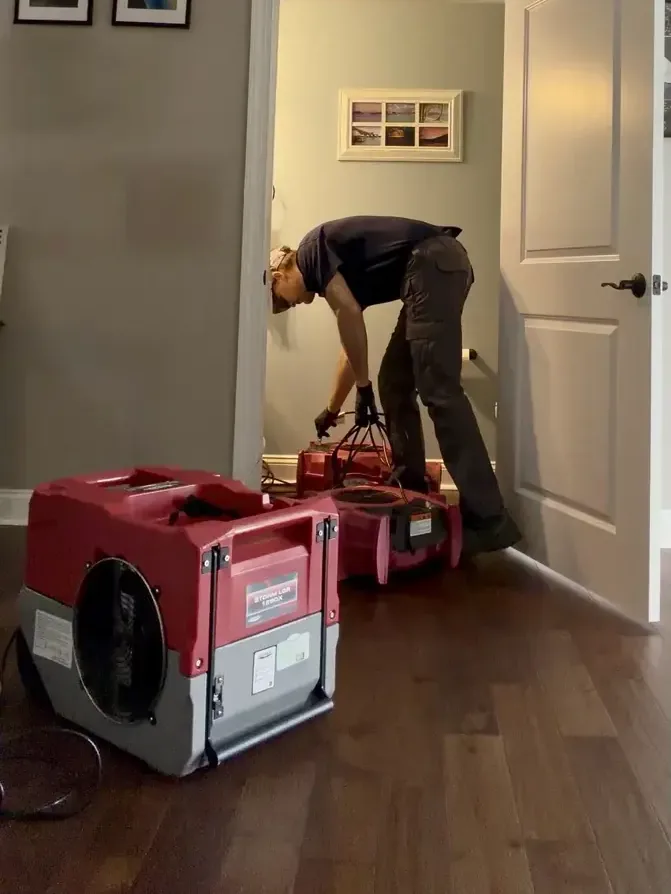
What to do while the water is still moving
- 1
Stop the source
Close the main shutoff for a pipe, tank or appliance. Leave outside flood water alone until the area is safe.
- 2
Make the room safe
Switch off power to wet rooms from a dry breaker panel and stay away from wet outlets and cords.
- 3
Photograph conditions
Record the source, the water and every affected room before furniture or material moves.
- 4
Protect dry contents
Lift rugs, furniture legs, boxes and electronics away from the wet floor without entering contaminated water.
- 5
Start extraction
Call 24/7 dispatch before liquid water reaches more drywall, subfloor, insulation or stored contents.
Water Damage Restoration Services in Hudson, WI
Frozen and burst pipes lead the winter risks. Basement flooding, roof leaks, St. Croix River water and everyday appliance failures need different safety, removal and drying plans.
 Common in Hudson
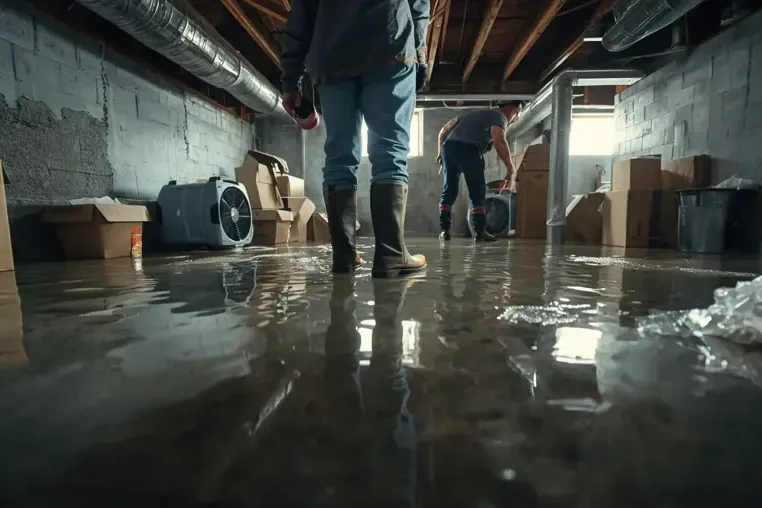
Storm and Flood Cleanup
Outside water leaves silt and contamination behind. Flood cleanup combines extraction, removal of affected porous materials and structural drying.
See storm and flood cleanup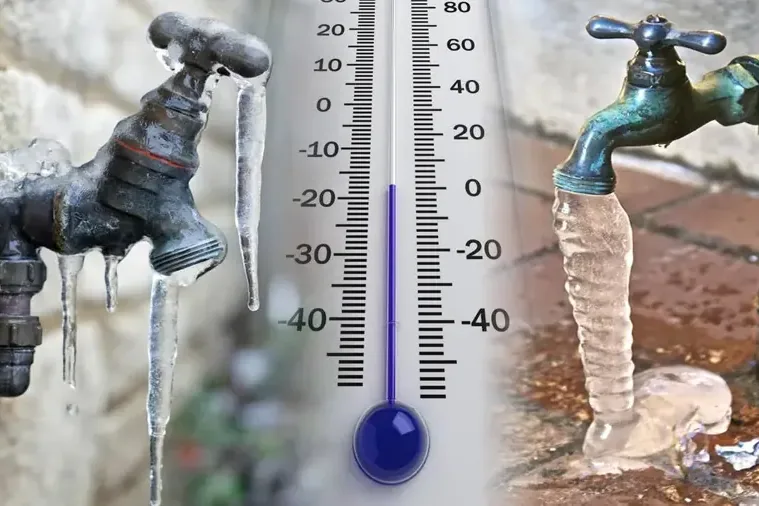 Common in Hudson
Frozen Pipe Water Damage
A thawing pipe can release water inside a cold wall. The crew follows the leak into insulation, flooring and rooms below.
See frozen pipe water damage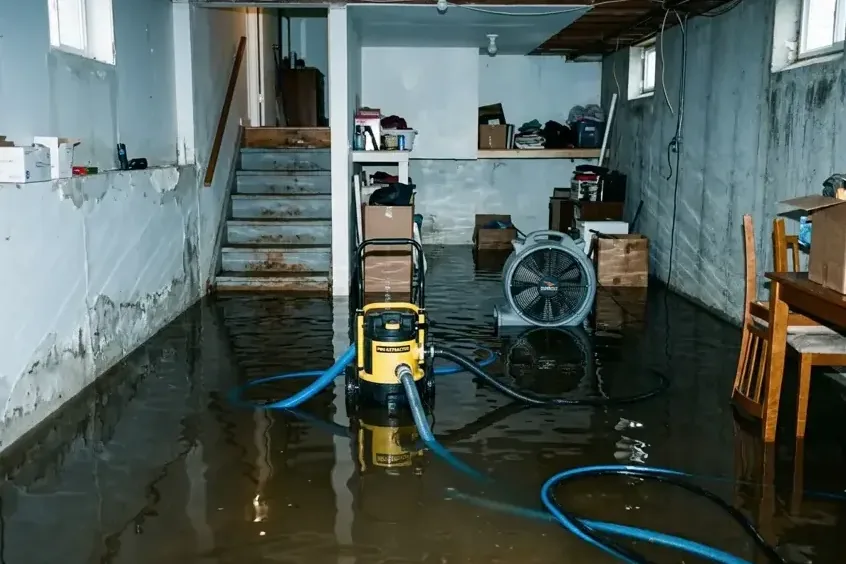
Basement Flood Cleanup
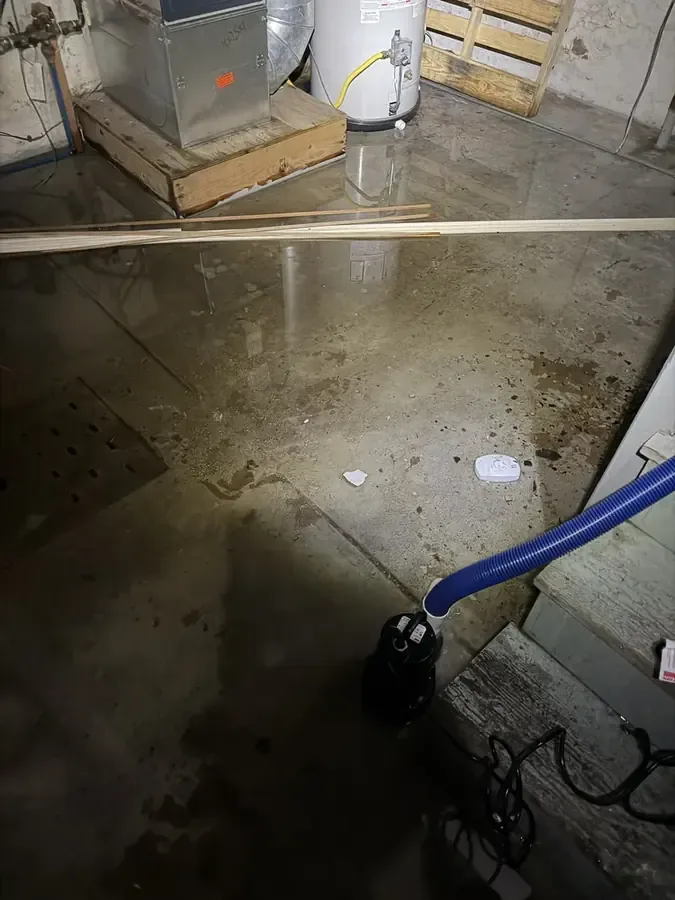
Pumps clear standing water from lower levels before the crew checks behind finished walls and beneath floor coverings.
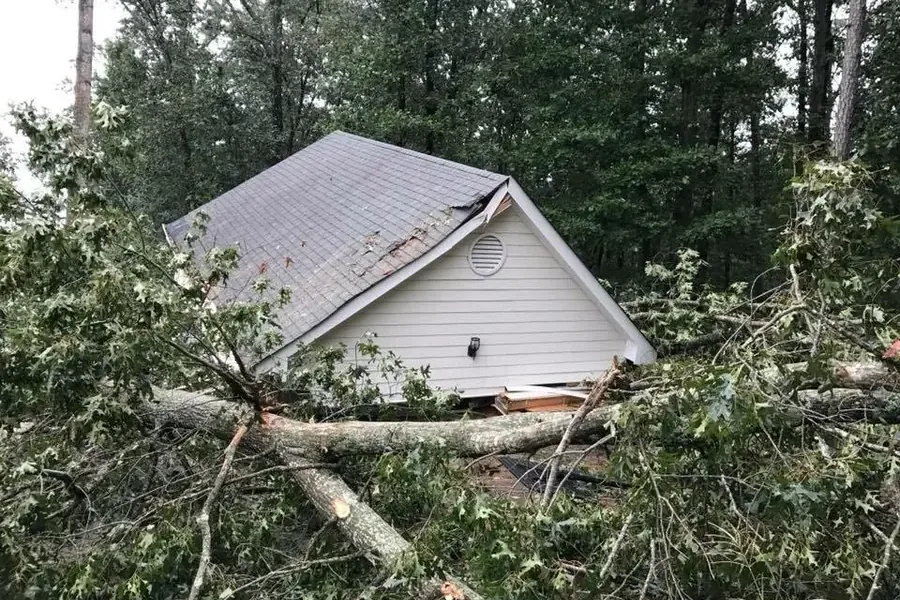
Roof Leak Water Damage
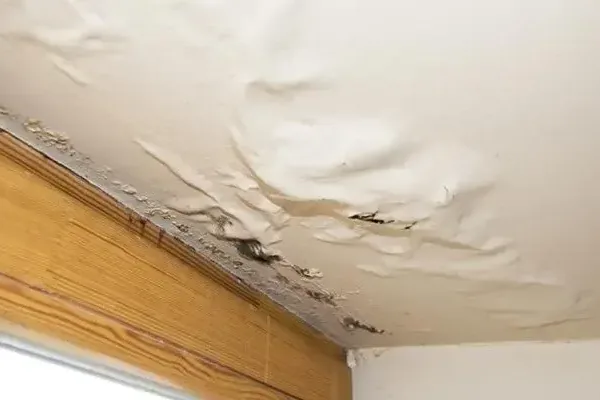
A ceiling stain may be far from the roof opening. Moisture checks trace the path through attic insulation and ceiling framing, including areas beyond the visible mark.
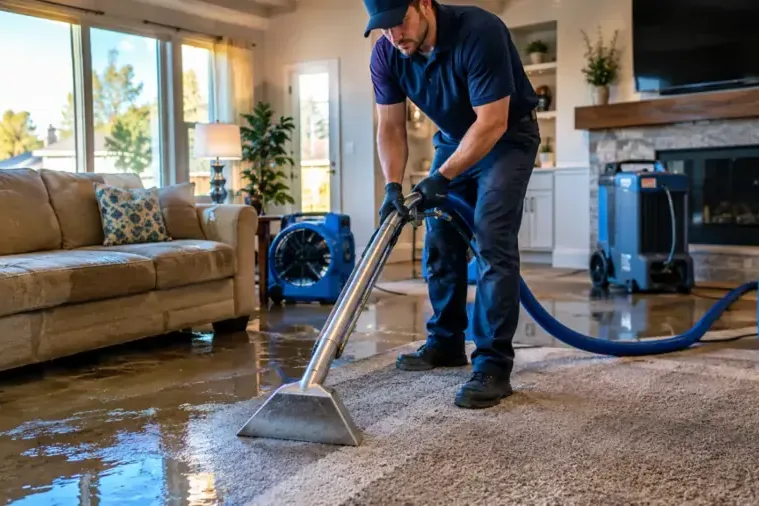
Emergency Water Extraction
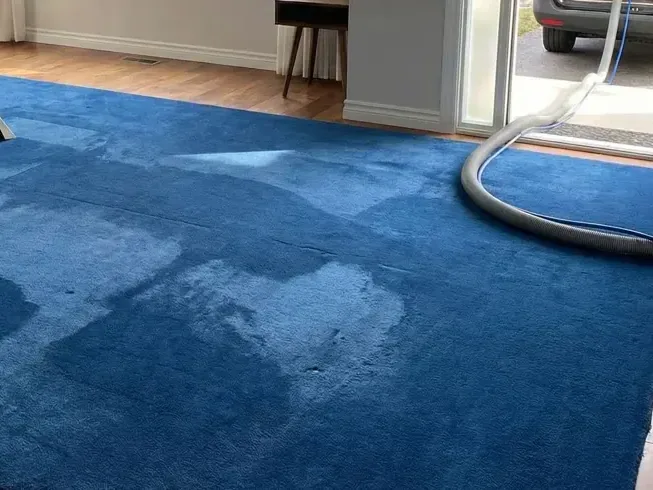
Extraction wands and pumps remove water from soaked carpet and hard floors. Edge passes reach liquid trapped beside baseboards and seams before the remaining moisture is dried.
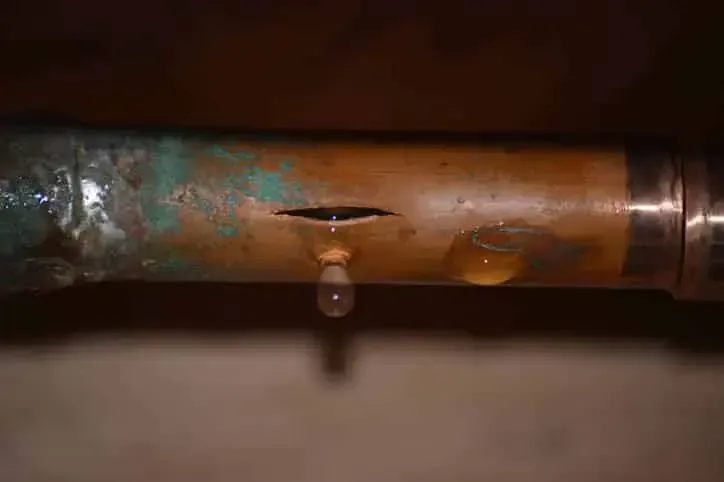
Burst Pipe Water Damage
Pressurized supply water can cross several rooms. Cleanup starts at the shutoff and follows the wet boundary through each floor layer.
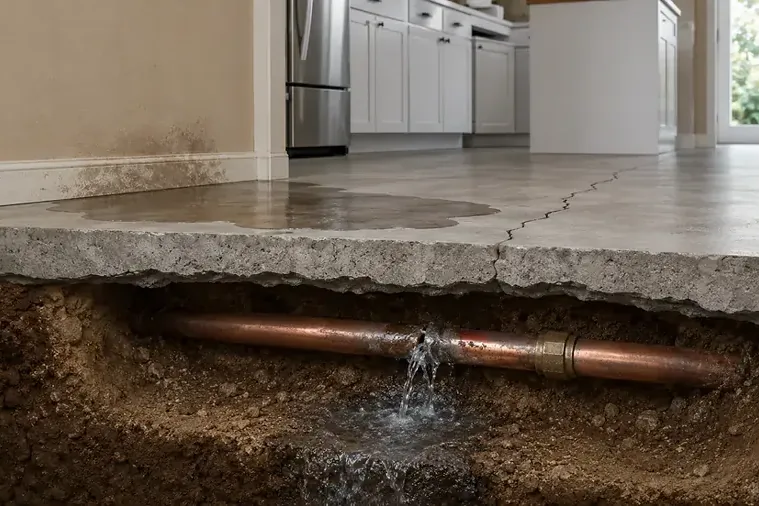
Slab Leak Water Damage
When a pipe beneath a concrete slab leaks, moisture can travel under finished flooring. Leak tracing guides access and drying.
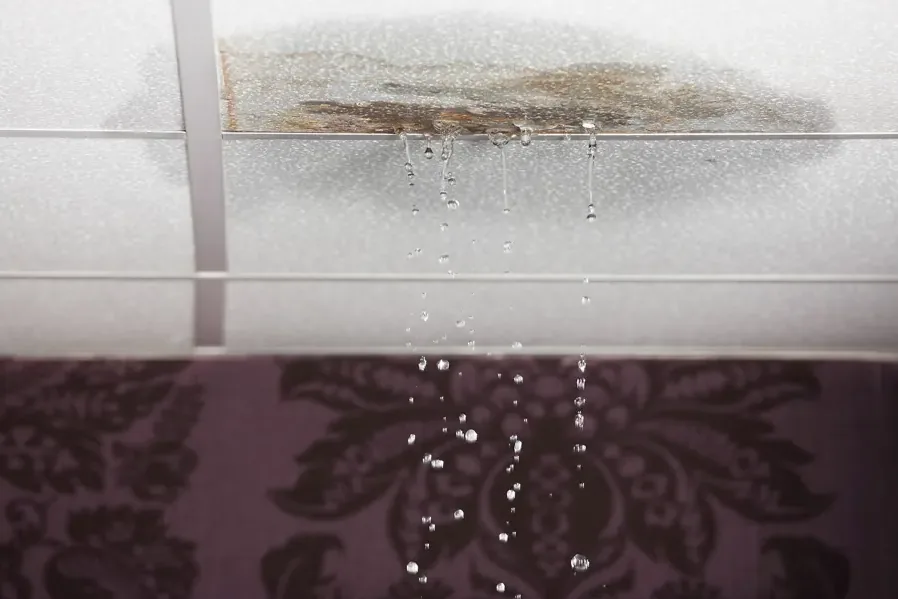
Ceiling Leak Water Damage
Wet overhead drywall needs a safe inspection. The crew checks insulation, framing and fixtures before opening a ceiling.
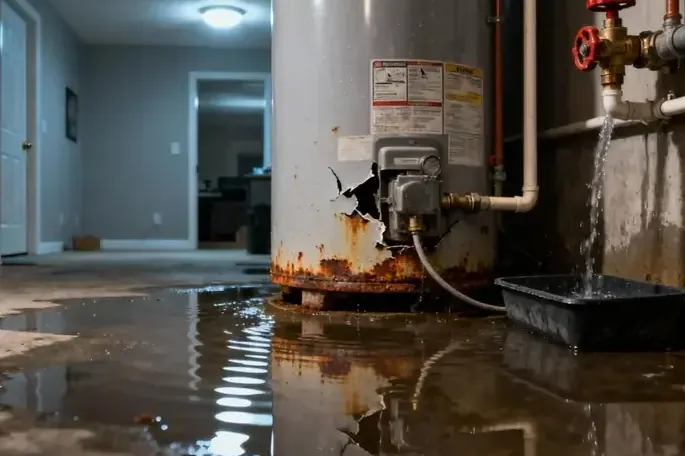
Water Heater Leak Cleanup
A leaking tank can soak more than the utility floor. Extraction reaches adjoining walls and flooring after the water supply is isolated.
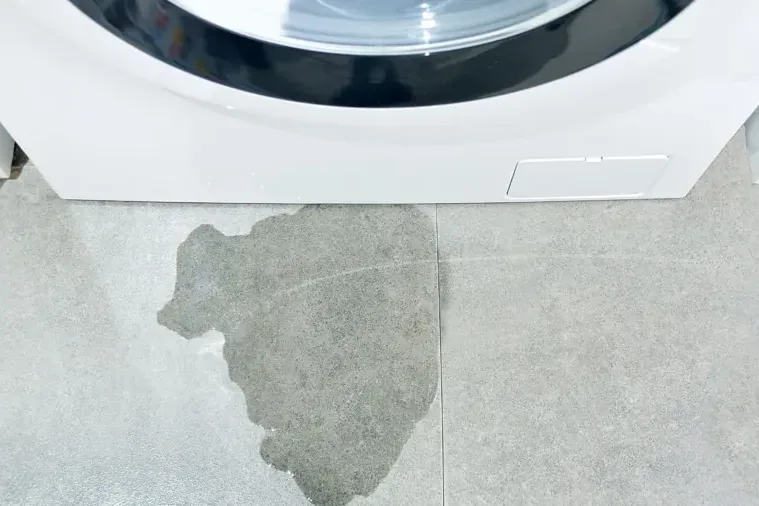
Appliance Leak Water Damage
Washer, dishwasher and refrigerator leaks can hide under cabinets. Low-profile tools reach water beyond the visible puddle, with separate checks of toe kicks and floor seams.
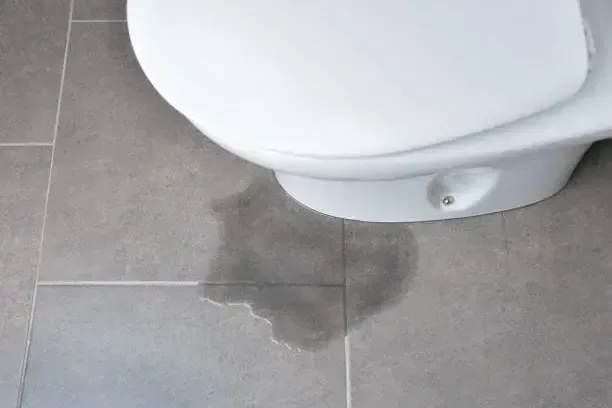
Bathroom and Shower Leak Water Damage
Shower pans, tub drains and toilet seals can wet the subfloor while tile looks dry. Readings guide access behind the finish.
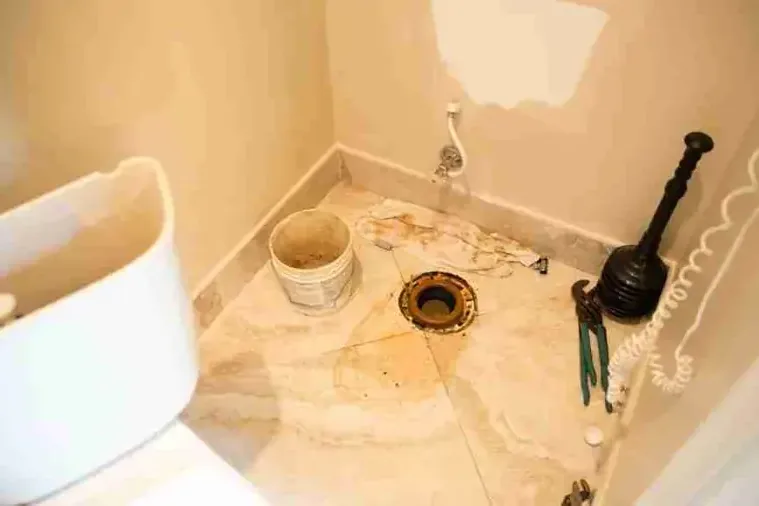
Sewage Backup Cleanup
Sewage requires containment and separate handling of contaminated materials. Cleaning comes before drying the retained structure.
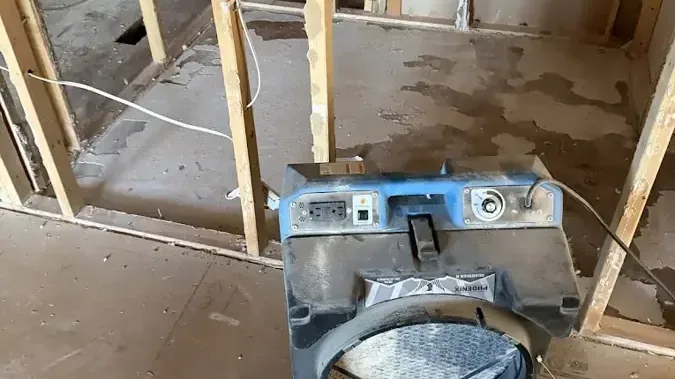
Structural Drying and Dehumidification
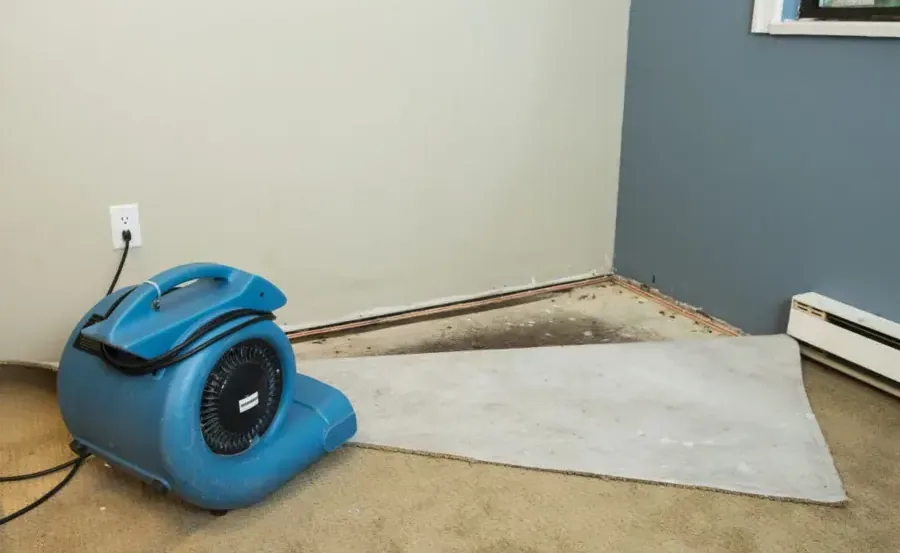
Air movers and dehumidifiers remove moisture held in framing and floors. Material readings determine when the equipment can leave.
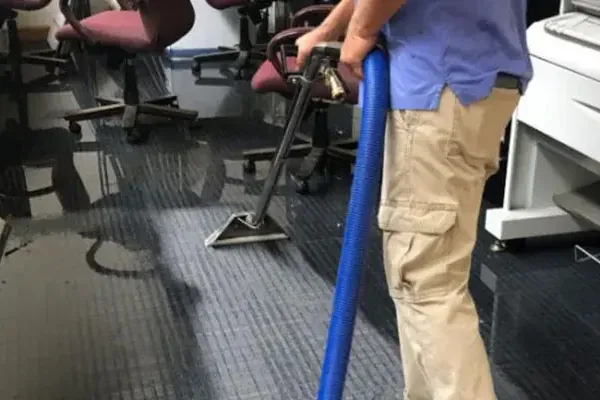
Commercial Water Damage
Wet business premises need clear work zones. Phased extraction and drying keep damaged rooms separate from areas cleared for use.
All water damage categories covered in Hudson, WI
Clean water
Supply pipes, water heaters and appliance feeds start as Category 1. Fast extraction can preserve more drywall and flooring.
Burst pipe cleanupGray water
Dishwasher discharge and roof water carry added contamination. Cleaning and material decisions follow the source and time wet.
Appliance leak cleanupBlack water
Sewage and water that rises from outside are Category 3. Porous materials they touch are removed under containment.
Sewage backup cleanup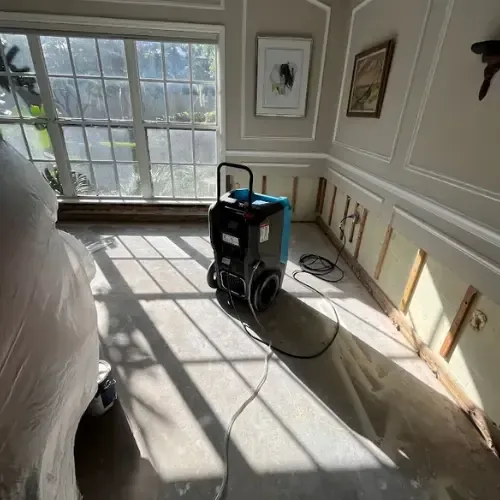
Water damage dried to the IICRC S500 standard
A finished dry-out is measured against dry material in the same building. The drying team checks framing, drywall, subfloor and finish flooring, then keeps dehumidification and air movement running until readings reach the goal. Winter heating and summer humidity both change how equipment is balanced.
- 1
Map wet materials
The walkthrough tech follows the source with thermal imaging and meters before removal or equipment placement.
- 2
Extract liquid water
The extraction crew removes water from carpet, hard floors, basements and reachable cavities before evaporation starts.
- 3
Set the drying chamber
Air movers, LGR dehumidifiers and containment are sized to the class of loss and the materials that remain.
- 4
Verify the goal
Daily readings continue until affected materials sit within 2 to 4 points of a dry reference material.
What does water damage restoration cost in Hudson, WI?
Water damage restoration typically runs from $1,300 to $32,000. A contained clean water loss caught early sits near the low end. Sewage, outside flood water and several wet rooms move toward the high end.
One room, clean water
$1,300 to $4,200
- Extraction and drying in place
- Baseboard or pad removed if needed
- Daily moisture readings
Several rooms or lower level
$4,000 to $12,500
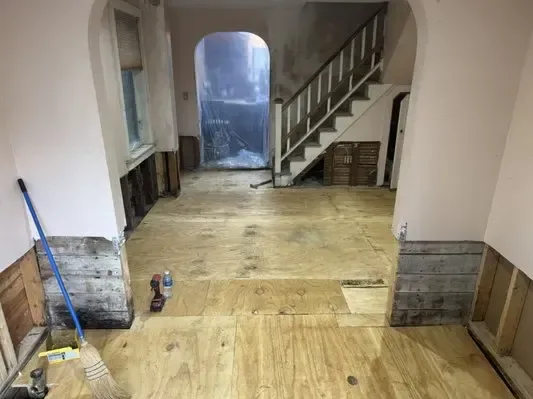
- Controlled wall openings
- Insulation and pad decisions
- Containment where needed
Sewage, flood or whole floor
$11,000 to $32,000
- Category 3 removal and cleaning
- Extended structural drying
- Detailed documentation
These are typical ranges, not quotes. The Hudson water damage cost calculator narrows the range by water category, affected area, materials and time wet.
How the restoration crew handles a water loss
Water moves differently from the St. Croix River valley to the higher bluffs. A downtown lower level, a frozen pipe in Old Town and a roof leak on The Hill each require a source specific moisture map. The crew follows the wet materials rather than stopping at the visible stain.
Rapid local response
Dispatch runs 24/7 and active water is treated as urgent during deep freezes, storms and weekends.
IICRC S500 drying standard
Air movement and dehumidification are sized to the class of loss and verified with daily readings.
Claim-ready documentation
Moisture maps, drying logs and timestamped photos record conditions before material removal.
Local water experts
The walkthrough checks basements, cold exterior walls, attic insulation and hidden floor layers for spread.
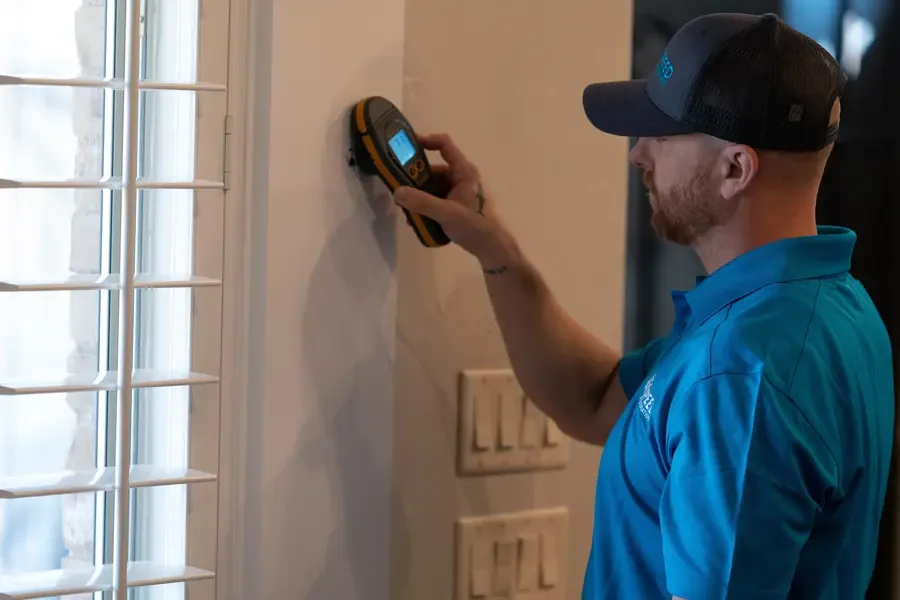
Documentation for your insurance claim
A clear claim file gives the insurer the source, category, class and measured extent of the loss.
- Initial moisture map for every affected material
- Daily temperature, humidity and material readings
- Timestamped photos before controlled removal
- Water category and loss class notes
- A line item mitigation scope
Check the policy language
A sudden supply pipe, tank or appliance failure is often treated differently from gradual seepage. The restoration contractor documents the conditions but the insurer decides coverage.
Water that rises from the St. Croix River or flows over the ground is flood water and usually requires separate flood coverage. Policy terms and deductibles vary, so check with the insurer.
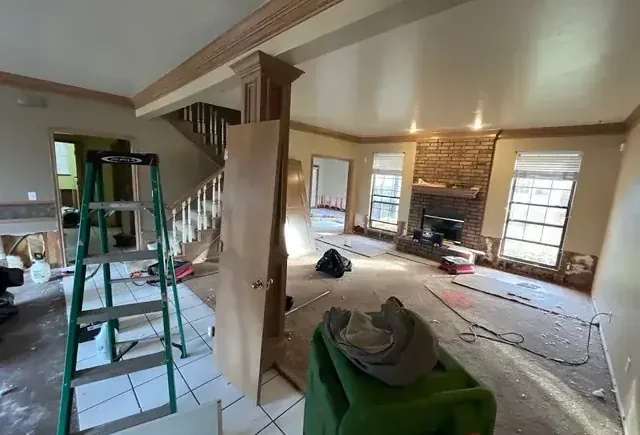
What a water damage dry-out looks like in Hudson
Water damage restoration across Saint Croix County
One call reaches Hudson water damage pros, 24/7
Water damage pros respond around the clock to frozen pipes, basement water, roof leaks, sewage and commercial losses across the service area.
(888) 399-5795Start the St. Croix Valley dry-outHudson, WI · [email protected]
Local areas and corridors
ZIP code
Nearby towns
Water damage in Hudson, WI: the local risk profile
The city occupies the St. Croix River valley and higher bluffs. Deep cold can freeze plumbing, snowmelt can test lower levels, and heavy rain can affect riverfront properties and site drainage.
- Frozen plumbing: Pipes near exterior walls and unheated spaces can split during deep cold and release water when they thaw.
- Lower levels: Basements can collect plumbing water, groundwater or runoff, and finished walls can conceal the spread.
- Roof and attic leaks: Snow, ice and wind driven rain can wet insulation before a ceiling stain appears.
- River and rain flooding: The St. Croix River and Willow River define local drainage, while intense rain moves toward low areas.
- Mixed building eras: Old Town, Downtown Hudson and newer areas use different wall, floor and plumbing assemblies.
- River valley
Downtown Hudson and Old Town sit in the St. Croix River valley. A lower-level inspection follows water behind finished walls and into floor layers.
- Higher bluffs
The Hill occupies higher ground. A roof or supply-pipe leak still needs tracing through ceiling cavities and adjoining rooms.
- River flooding
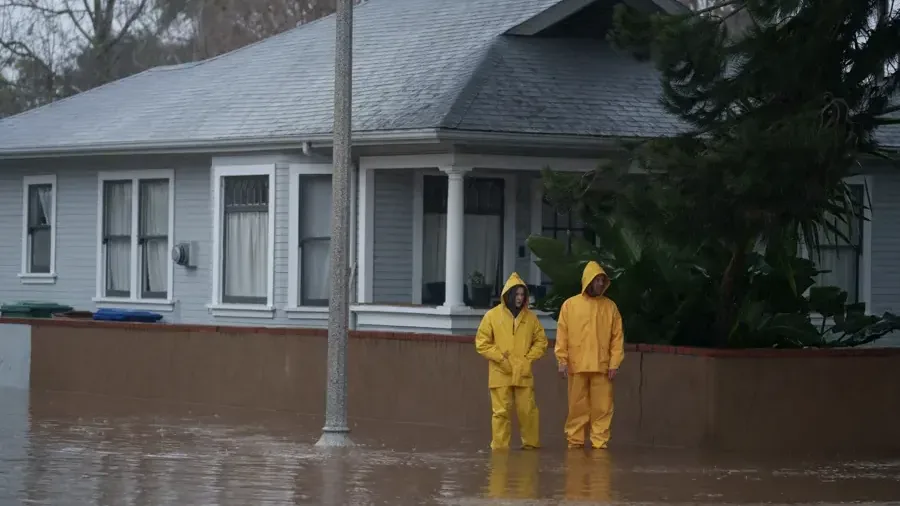
St. Croix River flooding threatened homes in 2001. When outside water enters a building, cleanup includes the sediment and contamination left behind.
- Before repairs
Hudson requires permits for plumbing changes and basement finishing. The repair scope should account for those requirements before walls are closed.
Local water damage questions, answered
What should happen first after a pipe breaks?
Close the main shutoff, switch off power to wet rooms from a dry panel, photograph the source and call 24/7 dispatch. The extraction crew removes liquid water before it spreads deeper.
How quickly does the response team arrive?
Active water is treated as urgent and dispatch operates 24/7. Timing depends on weather, road conditions and demand, especially during a deep freeze or regional storm.
Why are frozen pipes common here?
Deep winter cold can freeze water in plumbing near exterior walls, basements and unheated spaces. A split section often releases water after it begins to thaw.
Is St. Croix River water treated as contaminated?
Yes. Water that rises from outside is Category 3 because it can carry soil and other contaminants. Porous materials it touches are removed rather than dried in place.
How long does structural drying take?
A contained Class 1 loss often dries in three to five days. Wet plaster, hardwood, concrete and concealed cavities take longer, and readings decide when equipment leaves.
What does IICRC S500 mean?
IICRC S500 is the industry standard for water restoration. It guides water category, loss class, equipment sizing, documentation and the measured drying goal.
When must drywall come out?
Drywall comes out when contaminated water touched it, the core lost strength or the cavity cannot dry safely in place. The crew limits openings to the measured wet area.
Does a sewage backup need different cleanup?
Yes. Sewage is Category 3 from the start. The team uses PPE and containment, removes contaminated porous material and applies EPA registered antimicrobial at its dwell time.
What records support an insurance claim?
The file can include a moisture map, daily psychrometric logs, timestamped photos, water category, loss class and a line item mitigation scope.
How is the cost figured?
Water category, affected square footage, material class and time wet drive the range. The calculator gives a planning figure, while the site scope determines the actual work.
Water moving through the building?
Close the source if it is safe, keep away from wet electrical fixtures and call for 24/7 extraction and drying.
Water damage spreading? Start the measured dry-out.
Liquid water keeps moving into drywall, floor layers and framing. The extraction crew removes the water, and the drying team tracks every affected material to the dry goal.
- Hudson, WI · Saint Croix County
- Dried to the IICRC S500 standard
- Find us on Google