24/7 water damage dispatch for Hudson and Saint Croix County
Category three contamination controls

Sewage Backup Cleanup in River Falls, WI

Wastewater exposure requires controlled access, protective equipment and removal of affected porous material. Interior cleanup proceeds separately from correction of the backup source. Entry points and tool handling help keep residue inside the work boundary.

(888) 399-5795Secure a sewage work area
Restricted access Porous material removal Cleaning before drying
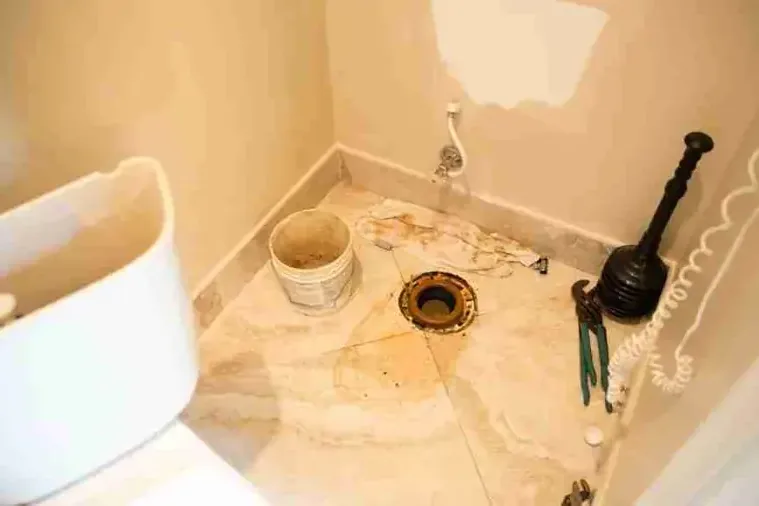
Removed toilet reveals an open drain and stained bathroom floor
Right now

First steps for sewage backup cleanup in River Falls

  1. 1

    Restrict access

    Keep occupants and pets out of the wastewater area and do not walk through it to reach other rooms.

  2. 2

    Avoid household airflow

    Do not place ordinary fans where they can move contaminated droplets or debris beyond the boundary.

  3. 3

    Document from safety

    Photograph the visible extent only from a safe location without handling affected porous contents.

  4. 4

    Arrange source correction

    Have the backup cause addressed separately before cleanup proceeds through its full sequence.

Sewage Backup Cleanup: the trade facts

Access controlOccupants and pets stay outside the contaminated area.
Material ruleAffected porous finishes require controlled removal.
Cleaning orderSoil leaves hard surfaces before drying begins.
Source separationBackup correction remains a distinct required task.

Sewage cleanup protects unaffected rooms by controlling entry, debris and equipment handling. The sequence moves from wastewater recovery through porous material removal and detailed cleaning before drying.

Keep people outside the contaminated boundary

A sewage backup begins as Category three water because it can contain harmful contaminants. People and pets should remain outside the affected area. Tracking wastewater through the building or placing household fans into it can expand exposure. Professional controls begin with restricted access, protective equipment and a defined work zone.

Source correction belongs to the appropriate plumbing or sanitary service. Restoration addresses what entered the property. Those tasks must remain distinct so cleaning does not begin while wastewater can still return.

Typical cost ranges

What does sewage backup cleanup cost in River Falls, WI?

Sewage backup cleanup ranges from $2,200 to $28,000. Contaminated area, porous material removal, access and retained surface cleaning establish the final work tier.

Contained area

$2,200 to $9,500

  • restricted cleanup zone
  • focused liquid recovery
  • limited porous removal

Several materials

$9,500 to $18,800

  • floor and wall impact
  • expanded containment needs
  • detailed surface cleaning

Large or contaminated loss

$18,800 to $28,000

  • broad wastewater spread
  • substantial material removal
  • multiple controlled work zones

Ranges are typical figures, not a quote. The category of water, the square footage, the material class and how fast drying started move the number most. The water damage cost calculator gives a closer range.

Step by step

How sewage backup cleanup is handled in River Falls

The tech who does the walkthrough finds the source and maps the moisture before equipment goes down, and the drying team keeps it running until the readings say dry.

  1. 1

    Contain exposure

    The crew establishes safe entry, protective measures and separation from unaffected space.

  2. 2

    Remove contamination

    Wastewater and affected porous material leave through controlled handling suited to the loss.

  3. 3

    Clean retained surfaces

    Stable structural components receive physical cleaning before drying equipment is introduced.

  4. 4

    Measure the result

    Readings verify cleaned, retained materials after source correction and environmental control. Entry points are cleaned before drying equipment changes airflow.

Remove liquid and porous materials under control

Equipment suited to contaminated water recovers accessible sewage. Affected carpet, pad, insulation and other porous finishes generally require controlled removal because reliable cleaning is not practical. Contents receive item specific evaluation. Hard, stable surfaces can proceed through detailed cleaning when their condition permits.

Buildings near Downtown River Falls, Main Street and Hoffman Park have different room layouts and access needs. Source findings inform the plumbing handoff while cleanup contains wastewater inside the affected rooms. The crew relies on confirmed conditions and source findings for each property.

Clean the retained structure before drying

Soil and residue are physically removed from cleanable surfaces before the final treatment steps. Containment and pressure control may support the work boundary. Tools and protective equipment are handled according to the contaminated environment so dry rooms remain separate.

If wastewater collected at a low level, the basement cleanup service explains extraction around floor and wall layers. The structural drying process begins for retained assemblies only after removal and cleaning prepare them.

Verify dry conditions without weakening controls

Dehumidifiers reduce moisture released by cleaned framing and stable hard surfaces. Air movement is used only where it will not spread contamination. Technicians measure wall bases, framing and flooring edges throughout the equipment period. Removed materials leave clear access for direct checks.

Completion records describe the affected boundary, removed porous material, cleaning work and final moisture readings. They can support reconstruction and an insurance discussion while avoiding unsupported claims about why the backup occurred.

Transitions between contaminated and clean flooring need special attention because shoes, tools and hoses can cross them during work. The crew establishes handling procedures at those points and keeps removed material on a controlled route. After cleaning, the boundary is inspected again before drying equipment changes the airflow inside the area.

Technicians also inspect wall edges and floor transitions before that final drying stage begins.

River Falls, WI service area
Service area

Sewage backup cleanup across River Falls and nearby towns

Sewage cleanup serves ZIP code 54022 near Cascade Avenue, Glen Park, Division Street, Downtown River Falls and all parts of River Falls. Residential, business and institutional properties within the ZIP are covered.

The same service nearby: sewage backup cleanup in Hudson, Stillwater, New Richmond.

Water damage restoration in River Falls · every town covered

Questions and answers

Sewage Backup Cleanup questions in River Falls, WI

Why is sewage treated as Category three water?

Wastewater can carry harmful contamination. That condition requires restricted access, protective equipment and stronger cleaning and removal controls.

Can carpet be cleaned after a backup?

Affected carpet and pad are porous and generally require removal in a sewage loss. The crew documents the area and handles removal under control.

Should household fans be started?

No. Uncontrolled airflow can move contaminated droplets and debris into dry rooms. Equipment use follows the established work boundary.

Who corrects the backup source?

The appropriate plumbing or sanitary service addresses the cause. Restoration handles contaminated water and resulting material damage inside the property.

Can hard surfaces remain?

Stable, cleanable hard surfaces may remain after soil removal and detailed cleaning. Their condition and access must support a reliable process.

When does structural drying begin?

Drying of retained materials follows wastewater removal, porous material decisions and cleaning. Moisture readings then direct equipment until goals are met.

How are clean room transitions protected?

The crew establishes controlled entry points and handling procedures for shoes, tools, hoses and removed material. Those transitions are cleaned and inspected so residue is not carried into unaffected space. Drying equipment is introduced only after the contaminated boundary and retained surfaces are ready for that stage. The controlled route is checked again after removed material leaves the property.

Still dealing with it?

Sewage cleanup begins with restricted access to affected rooms. Controlled entry points keep removal and cleaning activity from carrying wastewater residue into dry spaces.

(888) 399-5795Protect dry rooms from spread
24/7 emergency dispatch

Schedule a River Falls sewage assessment.

The crew contains exposure, removes affected porous material and documents cleaned structures through drying.

(888) 399-5795River Falls sewage cleanup help
Call (888) 399-5795 · 24/7