24/7 water damage dispatch for Hudson and Saint Croix County
Recovery planned around operations

Commercial Water Damage in River Falls, WI

Business and institutional properties need clear work zones, documented moisture boundaries and equipment placement that respects safe access and essential operating needs. Site contacts also identify deliveries, shifts and access changes that affect staging.

(888) 399-5795Plan a commercial response
Staged work areas Operational access planning Detailed moisture records
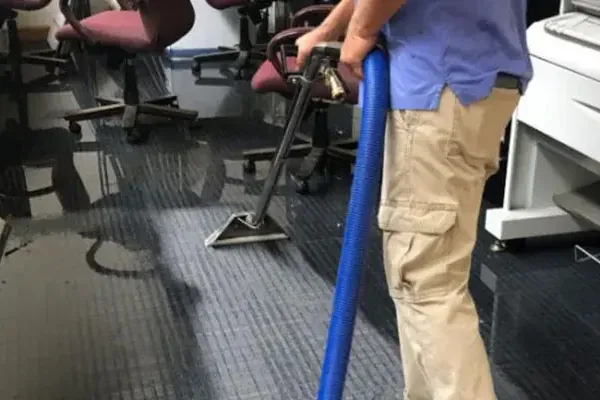
Technician uses an extraction wand on dark commercial carpet
Right now

First steps for commercial water damage in River Falls

  1. 1

    Name a site contact

    Choose the person who can authorize access, communicate operating needs and receive restoration updates.

  2. 2

    Restrict wet zones

    Keep staff, customers and visitors outside areas with standing water, sewage or electrical concerns.

  3. 3

    Protect critical items

    Move reachable dry records, inventory and electronics away from the path when doing so is safe.

  4. 4

    Document operations

    Record affected rooms, discovery details and essential access needs for the initial site briefing.

Commercial Water Damage: the trade facts

Decision contactOne authorized person coordinates access and operating needs.
Work zoningAffected rooms stay separated from approved usable space.
Priority orderExtraction follows safety, volume and operational impact.
Shared recordMaps and logs support owners, managers and carriers.

Commercial restoration begins with authority, occupancy and access. The response turns those operating facts into clear work zones, priority extraction and a reporting rhythm property contacts can follow.

Establish contacts and boundaries before equipment moves in

A commercial water loss can involve staff access, customer areas, inventory, technology and building management at the same time. The first assessment identifies who can authorize work, where the source sits and which rooms must remain restricted. Clear communication prevents restoration activity from competing with essential site decisions.

Technicians classify the water, map visible and concealed spread, and mark work zones. Clean areas receive protection from traffic and debris. When some operations can continue safely, access routes and equipment cords are planned around those approved paths.

Typical cost ranges

What does commercial water damage cost in River Falls, WI?

Commercial water restoration ranges from $2,600 to $48,000. Building use, affected area, contamination, contents and staged access needs determine the inspected work tier.

Contained area

$2,600 to $14,000

  • focused business zone
  • limited content handling
  • targeted equipment layout

Several materials

$14,000 to $31,000

  • multiple finish systems
  • staged operating access
  • expanded documentation needs

Large or contaminated loss

$31,000 to $48,000

  • broad occupied property
  • substantial controlled removal
  • several restoration zones

Ranges are typical figures, not a quote. The category of water, the square footage, the material class and how fast drying started move the number most. The water damage cost calculator gives a closer range.

Step by step

How commercial water damage is handled in River Falls

The tech who does the walkthrough finds the source and maps the moisture before equipment goes down, and the drying team keeps it running until the readings say dry.

  1. 1

    Coordinate the site

    Property contacts, source status, occupancy and access needs shape the first safe work boundary.

  2. 2

    Extract by priority

    Liquid recovery proceeds through staged zones based on contamination, volume and operating impact.

  3. 3

    Protect and dry

    Contents and clean routes stay separated while equipment targets retained building materials.

  4. 4

    Report each zone

    Readings, photographs and material decisions document progress through completion and handoff. Zone status changes are reported to the designated property contact.

Stage extraction around building use

Pumps and extraction tools remove recoverable liquid according to depth, materials and contamination. Contents may require relocation within the property or item specific evaluation. Work can be divided into zones so teams address the most urgent water load while contacts understand which areas remain unavailable.

Properties along Main Street, Cascade Avenue and near the University of Wisconsin-River Falls serve different purposes. A downtown business, campus building and technical education space cannot share one operating plan. The response reflects occupants, access and building conditions found at the site.

Document decisions for several stakeholders

Photographs, moisture maps, equipment logs and material notes give owners, managers and carriers a shared record. The file can distinguish emergency actions from source repair and later reconstruction. It also explains why a wall, floor section or content area entered the restoration scope.

For heavy liquid accumulation, emergency water extraction covers the removal phase. The structural drying service explains how material readings direct equipment after the open water is gone.

Balance drying performance with safe access

Dehumidifiers and air movers are positioned to reach retained materials without blocking approved routes. Noise, heat and power demand may influence zone planning, but drying goals still come from material response. Technicians revisit walls, flooring and concealed edges, adjusting the layout when one area lags.

Final documentation identifies completed zones, retained material readings and any areas transferred to repair or reconstruction. The result supports an orderly reopening decision based on the property contact, source correction and measured building conditions.

Shift changes and deliveries can alter access after the initial plan is set. The site contact communicates those events so hoses, cords and containment stay clear of approved routes. Technicians update zone status as rooms move from extraction to drying and then verification. Visible status helps staff avoid entering an area before property leadership has cleared it.

River Falls, WI service area
Service area

Commercial water damage across River Falls and nearby towns

Commercial response covers ZIP code 54022 along Main Street, Division Street, Cascade Avenue, Downtown River Falls and the university campus. Service includes downtown, campus and technical education properties locally.

The same service nearby: commercial water damage in Hudson, Stillwater, New Richmond.

Water damage restoration in River Falls · every town covered

Questions and answers

Commercial Water Damage questions in River Falls, WI

Can part of a business remain open?

That decision depends on safety, source, contamination and access. Restoration can establish separate work zones when building conditions and property contacts support them.

How are contents handled?

Items are documented and evaluated by material, exposure and operational importance. Dry contents may be relocated to protect them from the work area.

Who receives project updates?

A designated property contact can receive moisture findings, work zone changes and documentation for owners, managers or carrier representatives.

What makes commercial drying different?

Occupancy, power, access, heat, noise and several finish systems can affect equipment planning. Material readings still determine the drying endpoint.

Can sewage affect operating areas?

Yes. Wastewater requires strict restricted access, removal controls and cleaning. Unaffected areas must remain separated from contaminated traffic and debris.

What supports reopening a zone?

Source correction, safety decisions, completed cleaning and documented material conditions provide the information property leadership needs for that decision.

How are changing access needs handled?

The designated site contact shares delivery, shift and occupancy changes with the restoration team. Equipment and containment can then be adjusted without opening affected areas casually. Zone status is documented as rooms move through extraction, cleaning, drying and final verification. Property leadership can use those updates to coordinate staff notices, approved routes and the order in which recovered rooms return to use.

Still dealing with it?

Business recovery depends on clear work boundaries and access decisions. Current room status helps property contacts coordinate staff movement with extraction, cleaning and drying.

(888) 399-5795Coordinate the building response
24/7 emergency dispatch

Schedule a River Falls commercial assessment.

The team stages extraction, protects approved access and reports moisture progress across each affected operating area.

(888) 399-5795Request commercial cleanup
Call (888) 399-5795 · 24/7