24/7 water damage dispatch for Hudson and Saint Croix County
Business water loss coordination

Commercial Water Damage in Stillwater, MN

A roof leak, supply break, sprinkler release or drain failure can interrupt occupied business areas and basement spaces. Response planning protects people, records operations and divides the loss into manageable zones. Daily records preserve those decisions.

(888) 399-5795Organize the business response
Operational zone planning Contents and equipment protection Phased moisture documentation
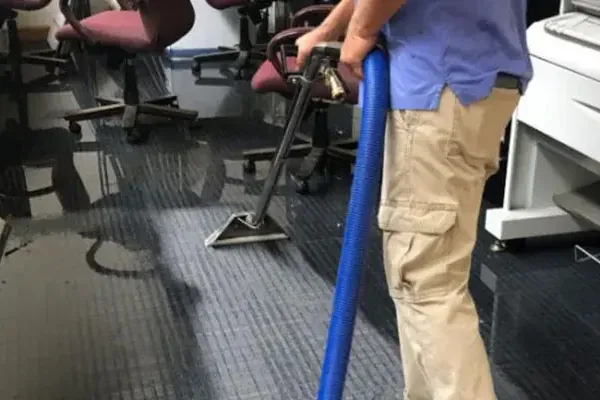
Technician uses an extraction wand on dark commercial carpet
Right now

First steps for commercial water damage in Stillwater

  1. 1

    Close unsafe business zones

    Mark restrictions around wet electrical equipment, unstable overhead finishes and contaminated areas before occupants return.

  2. 2

    Assign a property contact

    Designate the representative who can approve entry, inventory movement and changes to operating arrangements.

  3. 3

    Protect critical dry assets

    Relocate unaffected stock through a clean route with photographs showing its starting position.

  4. 4

    Request a phased moisture map

    Have the survey identify wet assemblies by room, tenant space and business function.

Commercial Water Damage: the trade facts

Planning unitOperational zones and materials
Access concernOccupants, utilities and equipment
Recovery sequenceExtract, expose, dry and verify
Management recordRoom and phase documentation

Commercial mitigation has to solve a building problem while respecting business operations. The incident lead identifies unsafe sections, critical contents and activities that can continue elsewhere, then divides work into zones with clear access rules.

Establish one source of incident information

A property representative identifies the known source, utility contacts, restricted spaces and priorities. Restoration personnel record who can approve access or contents movement without inventing authority. Daily updates use the same room names and zone labels so observations remain understandable across shifts and trades.

Typical cost ranges

What does commercial water damage cost in Stillwater, MN?

Commercial mitigation commonly ranges from $2,600 to $48,000. Building size, water category, operational phasing, contents and the number of drying zones affect cost.

Contained area

$2,600 to $14,000

  • Small business zone
  • Portable extraction setup
  • Basic contents protection

Several materials

$14,000 to $31,000

  • Several operational areas
  • Phased material access
  • Daily management reports

Large or contaminated loss

$31,000 to $48,000

  • Large contaminated incident
  • Complex contents relocation
  • Multiple drying sections

Ranges are typical figures, not a quote. The category of water, the square footage, the material class and how fast drying started move the number most. The water damage cost calculator gives a closer range.

Step by step

How commercial water damage is handled in Stillwater

The tech who does the walkthrough finds the source and maps the moisture before equipment goes down, and the drying team keeps it running until the readings say dry.

  1. 1

    Set incident priorities

    Management and the restoration supervisor agree on access authority, critical inventory and the sequence for affected business sections.

  2. 2

    Stabilize affected zones

    Extraction crews establish protected work areas while signs and barriers separate occupants from water removal and debris handling.

  3. 3

    Dry in measurable sections

    Room labels connect equipment placement with material readings so progress remains understandable across shifts and multiple work areas.

  4. 4

    Issue a documented handoff

    The completion report separates finished mitigation from restricted spaces and repairs still assigned to other service providers.

Protect people before protecting operations

Wet electrical equipment, unstable ceilings and contaminated water can close a section regardless of business pressure. Barriers and signs keep occupants outside active extraction or removal areas. Clean routes protect unaffected stock and furniture. Downtown Stillwater includes older commercial buildings with basement spaces, adding a reason to inspect lower rooms after upper plumbing or street flooding.

Phase extraction around the actual loss

High volume equipment handles large open areas, while portable tools reach offices, storage and stairs. Contents are elevated or relocated with photographs and location notes. The team follows water across partitions and floor transitions instead of stopping at a tenant boundary. The Hudson commercial water service covers the main mitigation response.

Create drying zones that can be measured

Containment can separate wet sections from operating space and help dehumidifiers manage a defined air volume. Air movers serve exposed surfaces without creating a trip path through public areas. Technicians log readings by zone and material, allowing one section to finish before another without losing the overall incident record.

Support the handoff with operational detail

Closeout identifies source status, rooms treated, contents movement, materials removed and final readings. It also lists exclusions and work transferred to plumbing, roofing or reconstruction providers. This record helps managers understand which areas completed mitigation and which remain restricted for other work.

Coordinate vendors without combining responsibilities. Plumbing, roofing, equipment service and reconstruction providers may enter during the same incident. The restoration lead records which trade controls each task and protects completed drying zones from later work. Shared schedules reduce interference, but every provider keeps a distinct scope. This approach gives the property contact a usable sequence and prevents an operational update from being mistaken for technical completion.

Final photographs use the same zone labels found in daily reports.

  • Assign a property representative for access and priorities.
  • Keep occupants outside extraction and containment zones.
  • Photograph stock and equipment before relocation.
  • Use consistent room names in every daily entry.

Commercial response in ZIP 55082 can serve Downtown Stillwater, the McKusick Road area and West Stillwater. The Stillwater restoration hub connects business losses with extraction, sewage controls and structural drying.
Stillwater, MN service area
Service area

Commercial water damage across Stillwater and nearby towns

Business water recovery within ZIP 55082 includes Downtown Stillwater, Oak Glen and the McKusick Road area, with equipment access coordinated around tenants, storage rooms and operating spaces.

The same service nearby: commercial water damage in Hudson, Maplewood, Vadnais Heights.

Water damage restoration in Stillwater · every town covered

Questions and answers

Commercial Water Damage questions in Stillwater, MN

Can a business remain open during mitigation?

That depends on safe access, water category, utilities and whether unaffected operations can be separated from the work. The property representative and responding team define restricted zones without promising that every activity can continue. The incident plan records each restricted operational area.

How are business contents managed?

Critical stock, records and equipment are identified before movement. Photographs and original location notes support tracking, while clean routes keep unaffected items separate from wet or contaminated work zones. A movement log keeps later reconciliation practical.

What information should management provide?

Useful details include the known source, utility contacts, restricted rooms, occupancy patterns and who can approve access. Existing room names or floor designations help daily reports remain consistent and understandable. The property contact confirms updates when details change.

How does commercial extraction differ?

Larger open areas may use high volume recovery, while offices and storage need portable tools. The sequence also considers public routes, equipment cords, contents staging and the ability to isolate operating space. Zone maps also reduce conflicts between working trades.

Why divide the loss into drying zones?

Zones connect equipment and measurements with a defined air volume and set of materials. One area can meet its goal while another continues, allowing precise adjustments and a clearer operational handoff. Reports show why equipment changes in each section.

What belongs in the final commercial report?

The record should list source status, access controls, treated rooms, contents movement, removed material and closing readings by zone. Work assigned to plumbing, roofing or reconstruction remains identified separately. Management receives a clear list of continuing restrictions.

Still dealing with it?

Business water losses need clear zones and records.

(888) 399-5795Request commercial incident coordination
24/7 emergency dispatch

Water interrupting local operations? Restrict the affected section.

Commercial mitigation teams can phase extraction, protect critical contents and document drying by room while management tracks operational priorities. Daily zone records support a clear operational and technical handoff.

(888) 399-5795Organize the response
Call (888) 399-5795 · 24/7