24/7 water damage dispatch for Hudson and Saint Croix County
Floodwater decisions begin at entry

Storm and Flood Cleanup in Stillwater, MN

Rain, snowmelt and a rising St. Croix River can carry water into low rooms and riverfront properties. Cleanup begins with access safety, water classification and a map of every wet assembly. The survey includes adjoining rooms.

(888) 399-5795Assess stormwater entry and spread
24/7 flood response Contamination separation Measured assembly drying
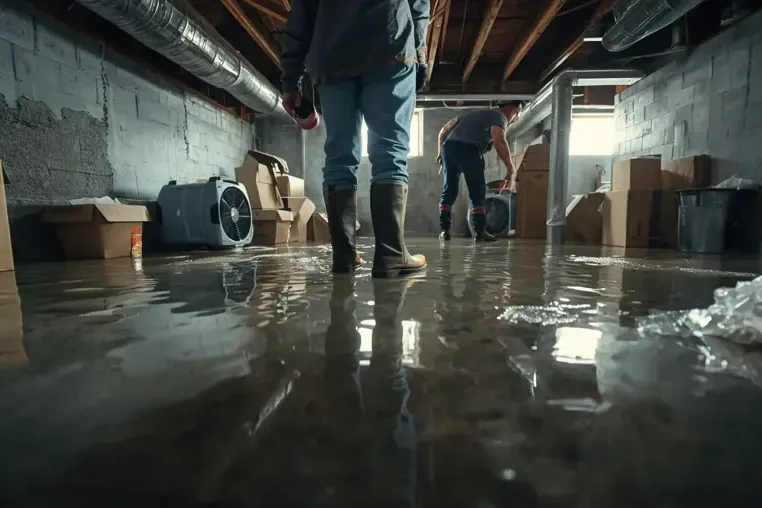
Workers in boots walk through standing water in a basement
Right now

First steps for storm and flood cleanup in Stillwater

  1. 1

    Keep the flood area closed

    Restrict entry while personnel evaluate electrical hazards, unstable finishes and contamination along the access route.

  2. 2

    Stop reachable inflow

    An indoor supply can be isolated from a safe position when it contributes to the loss.

  3. 3

    Preserve the starting evidence

    Capture residue marks and reached contents before cleanup changes the original flood boundary.

  4. 4

    Arrange controlled removal

    Request pumping and material assessment with cleaning methods suited to outdoor water.

Storm and Flood Cleanup: the trade facts

Likely categoryCategory 3 for rising outside water
First concernSafe access and electrical hazards
RemovalPumping and controlled extraction
Completion evidenceMaterial moisture records

Stormwater does not behave like a clean supply leak. It may carry soil and other contamination across finished surfaces, enter wall bottoms, and settle beneath flooring. A field lead therefore decides where entry is safe before removal begins.

Read the building before moving floodwater

Crews note the apparent entry path, the height of visible residue and every room connected to the loss. Electrical service, unstable finishes and slippery access receive attention before pumps are placed. At Downtown Stillwater, older lower spaces can hold water behind finishes even after an open floor looks clear. North Hill and South Hill properties need their own observations rather than assumptions based on elevation elsewhere.

Typical cost ranges

What does storm and flood cleanup cost in Stillwater, MN?

Storm cleanup ranges from $1,800 to $32,000. Outdoor contamination, water depth, debris removal and the number of wet assemblies determine the scope following a safe property inspection.

Contained area

$1,800 to $8,500

  • Entry and residue survey
  • Pump or extractor setup
  • Initial moisture diagram

Several materials

$8,500 to $20,200

  • Contained debris handling
  • Multiple drying zones
  • Daily measurement records

Large or contaminated loss

$20,200 to $32,000

  • Contaminated material removal
  • Detailed cleaning controls
  • Extended drying verification

Ranges are typical figures, not a quote. The category of water, the square footage, the material class and how fast drying started move the number most. The water damage cost calculator gives a closer range.

Step by step

How storm and flood cleanup is handled in Stillwater

The tech who does the walkthrough finds the source and maps the moisture before equipment goes down, and the drying team keeps it running until the readings say dry.

  1. 1

    Establish safe boundaries

    The field supervisor identifies electrical concerns and contaminated travel paths before workers bring removal equipment into the building.

  2. 2

    Remove collected water

    Pumping lowers deep accumulation, then extraction tools recover shallow water along floor edges without spreading residue into dry rooms.

  3. 3

    Clean reached surfaces

    Material access and floodwater contact determine which finishes leave and which exposed surfaces can receive thorough cleaning.

  4. 4

    Document a dry result

    Repeat measurements show how retained structural components respond after cleaning, with final comparisons recorded before equipment removal.

Separate disposal from salvage decisions

Porous material touched by outside floodwater is evaluated for removal because surface cleaning cannot reach every pocket. Hard surfaces may remain when they can be fully cleaned and dried. Technicians establish clean travel routes, contain debris and prevent equipment cords from crossing unsafe areas. Photographs taken before disturbance support later discussions about why a finish stayed or left.

Extract in a controlled sequence

Pumps handle deeper accumulation while extraction tools recover the thinner film left across hard floors and reachable carpet. Workers pause if changing water pressure could affect a wall or floor assembly. After bulk removal, inspection continues at baseboards, sill areas, cabinet bottoms and floor transitions. The Hudson storm cleanup service describes the central response available from the main location.

Prove progress after the visible water is gone

Air movers are aimed at recoverable wet surfaces, and dehumidifiers collect vapor released into the room. Daily measurements show whether wood, wallboard and framing are moving toward a dry comparison area. Equipment is adjusted when one zone responds faster than another. Cleaning and drying records remain connected to the original flood boundary.

Account for weather related reentry

Cleanup planning also considers whether water can return before the building is secured. A team may stage pumps where collection continues, protect completed sections from tracked soil and delay finish decisions until the boundary is stable. This is different from promising that outdoor conditions have ended. The property file should identify the inspection period and record any later change that expanded the work zone.

The boundary is checked once more before containment leaves.

  • Keep people away from outside water and wet electrical components.
  • Photograph residue lines and affected contents before removal.
  • Expect material choices to follow contamination and access findings.
  • Ask for final readings rather than relying on touch alone.

Local planning considers St. Croix River rise, the Brown's Creek corridor and drainage around McKusick Road without assigning the same exposure to every address. The Stillwater water restoration hub lists the other services available for plumbing and indoor water losses.

Stillwater, MN service area
Service area

Storm and flood cleanup across Stillwater and nearby towns

Storm and flood cleanup reaches the Brown's Creek corridor, Downtown Stillwater, North Hill and South Hill within ZIP 55082, with each response guided by observed water entry.

The same service nearby: storm and flood cleanup in Hudson, Maplewood, Vadnais Heights.

Water damage restoration in Stillwater · every town covered

Questions and answers

Storm and Flood Cleanup questions in Stillwater, MN

Is outside floodwater treated as clean water?

No. Water that rises from outdoors is handled as contaminated because it can carry soil and other unwanted material. The initial plan separates unsafe contents, washable surfaces and porous finishes that cannot be cleaned throughout. That distinction determines the initial work controls.

Can pumping begin as soon as water is visible?

A technician first checks whether the route is safe and whether removing water could change pressure against an assembly. Electrical hazards and unstable materials can affect the sequence, equipment position and pace of removal. The supervisor records why the sequence was selected.

What happens to wet drywall after a flood?

Drywall decisions depend on contamination, strength and access to the cavity. Material reached by outside water often requires a controlled flood cut, while unaffected upper board can remain when the boundary is documented. Upper dry material can be protected during access.

Why are readings needed after pumping?

Pumps remove standing water but do not reveal damp framing, insulation or subfloor. Moisture measurements locate those pockets and show whether dehumidification and airflow are reducing the load across successive visits. Those checks continue after standing water is gone.

Which photographs help with documentation?

Useful images show the apparent entry point, residue height, each reached room, damaged contents and material removal. Wide views and closer details help connect the written scope with conditions present before cleanup changed them. Room labels make the evidence easier to follow.

How is storm cleanup considered complete?

Completion follows cleaning, removal of unsalvageable porous material and measured drying of retained assemblies. Final records should identify comparison areas, last readings and any part of the property excluded from the mitigation scope. The handoff should state any remaining limitation.

Still dealing with it?

Floodwater needs a contamination aware plan.

(888) 399-5795Request a stormwater assessment
24/7 emergency dispatch

Outside water in a Stillwater property? Document the boundary now.

A field team can classify the water, remove accumulation, separate affected materials and track drying across the rooms that remain. Final readings show which structural materials reached the documented goal.

(888) 399-5795Start the flood assessment
Call (888) 399-5795 · 24/7