24/7 water damage dispatch for Hudson and Saint Croix County
Rain and surface water response

Storm and Flood Cleanup in River Falls, WI

Rain entering through a roof needs a different plan than surface water crossing a doorway. The crew confirms the route, water category and full indoor boundary before cleanup proceeds. That distinction also shapes material handling, cleaning controls and equipment placement.

(888) 399-5795Assess storm water spread
Source path assessment Standing water removal Material category decisions
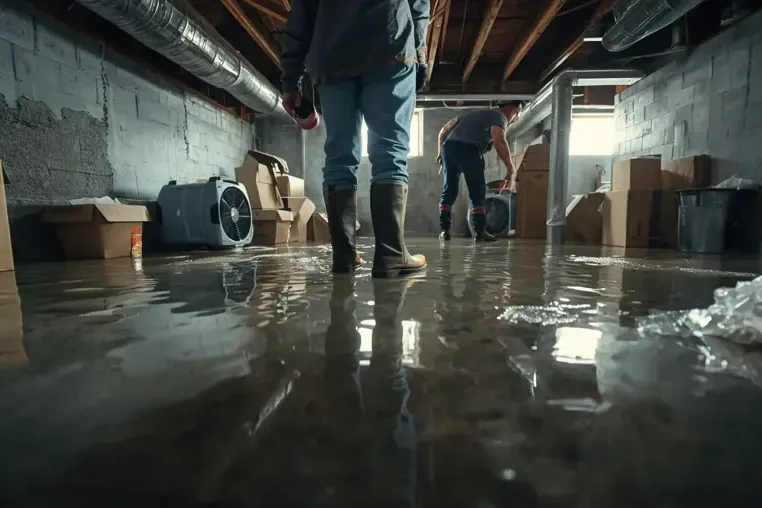
Workers in boots walk through standing water in a basement
Right now

First steps for storm and flood cleanup in River Falls

  1. 1

    Stay clear

    Avoid standing outside water, wet electrical equipment and unstable ceilings while the storm entry remains active.

  2. 2

    Reduce entry

    Stop roof or opening related intrusion only when the area is safe and temporary action will not add risk.

  3. 3

    Preserve evidence

    Photograph the path, debris edge and affected contents before moving items that can remain safely in place.

  4. 4

    Request classification

    Have the water source, contamination and material spread assessed before broad cleaning or removal begins.

Storm and Flood Cleanup: the trade facts

Source distinctionRoof entry and surface flow need different classifications.
Main concernOutdoor water may carry soil and debris indoors.
Early priorityRecover standing water without spreading residue.
Drying proofTrack retained materials against a dry reference.

Storm restoration works best when the origin and indoor route are established before equipment placement. The first survey separates weather entry from unrelated plumbing and records the complete material boundary.

Separate the source before choosing the cleanup method

A weather event can send water through very different paths. Roof water may pass through insulation and ceiling material. Surface flow may cross a threshold and carry soil into flooring. Water near the Kinnickinnic River still needs direct investigation before anyone labels the source. Inspectors check exterior openings and follow sediment or staining to identify the water route.

Technicians begin outside the wet area when conditions allow, looking for the opening and the route toward occupied space. Inside, moisture readings extend beyond the visible edge. Floor seams, wall bottoms, cabinets and rooms below can hold water after the open surface is cleared. This source based approach keeps the scope tied to evidence.

Typical cost ranges

What does storm and flood cleanup cost in River Falls, WI?

Storm and flood cleanup can range from $1,800 to $32,000. Contamination, affected materials, access and the volume requiring extraction determine the applicable tier after inspection.

Contained area

$1,800 to $8,500

  • focused extraction zone
  • limited debris handling
  • targeted moisture records

Several materials

$8,500 to $20,200

  • floor and wall involvement
  • controlled material access
  • multiple drying zones

Large or contaminated loss

$20,200 to $32,000

  • expanded work boundary
  • porous material removal
  • detailed contamination controls

Ranges are typical figures, not a quote. The category of water, the square footage, the material class and how fast drying started move the number most. The water damage cost calculator gives a closer range.

Step by step

How storm and flood cleanup is handled in River Falls

The tech who does the walkthrough finds the source and maps the moisture before equipment goes down, and the drying team keeps it running until the readings say dry.

  1. 1

    Trace entry

    Inspection distinguishes roof travel, surface runoff and plumbing that happened during the storm.

  2. 2

    Set boundaries

    Containment and safe access keep debris and wet work separated from unaffected rooms.

  3. 3

    Extract and clean

    Pumps, extraction tools and cleaning steps address the liquid and residues confirmed on site.

  4. 4

    Measure drying

    Repeated material readings direct dehumidification and document the result for retained assemblies. The boundary is updated if new weather entry appears.

Contain debris and remove recoverable water

Surface water can carry sediment and other outdoor material. Work boundaries limit movement into dry rooms while pumps and extraction tools reduce the liquid load. Porous finishes are evaluated according to contamination and physical condition. Material that cannot be cleaned and dried safely is removed under control. Stable framing and other retained assemblies are cleaned as appropriate before drying equipment is set.

Properties near Downtown River Falls, Glen Park and the University of Wisconsin-River Falls campus may differ greatly in layout and use. The crew adapts access, equipment placement and containment to the building to keep removal routes clear and unaffected rooms accessible.

Dry from readings rather than appearance

Once liquid water is removed, dehumidifiers collect vapor released by retained materials. Air movers support evaporation where the assembly and contamination level permit them. Technicians record readings from flooring, wall material and framing, then compare progress with a dry reference. Equipment changes follow that record.

The structural drying service explains how drying targets direct the process. When standing water remains the immediate issue, emergency water extraction covers the first removal phase. Both steps support storm recovery, but neither replaces source correction.

Close the project with a documented boundary

Final evaluation checks the materials selected for retention, not simply the center of the room. The record can include initial conditions, photographs, removal decisions, equipment placement and final readings. Property owners receive a clearer account of what was affected and how the drying goal was reached.

Weather can change while work is underway. Technicians protect openings, watch for renewed entry and keep dry contents outside the work zone. If conditions expand the wet edge, the moisture map is updated before equipment moves. This running record helps the owner distinguish effects from the original entry and water that appeared later during the same weather period.

River Falls, WI service area
Service area

Storm and flood cleanup across River Falls and nearby towns

Service covers ZIP code 54022, including Main Street, Cascade Avenue, Glen Park, the Kinnickinnic River corridor and properties around Downtown River Falls. Service also extends to nearby institutional and residential properties.

The same service nearby: storm and flood cleanup in Hudson, Stillwater, New Richmond.

Water damage restoration in River Falls · every town covered

Questions and answers

Storm and Flood Cleanup questions in River Falls, WI

Is every storm loss considered floodwater?

No. Roof entry, surface runoff and plumbing failures require different classifications. Inspection identifies where the water came from and what it contacted before controls are selected.

Can outdoor water be dried in place?

Some stable, cleanable assemblies may remain, but affected porous finishes often require removal when contamination cannot be addressed. The decision follows category, condition and access.

Why inspect rooms below the visible damage?

Water follows gravity through openings and cavities. A dry looking ceiling or wall surface can conceal wet insulation, framing or finish material on another level.

What should be photographed for a claim?

Photograph the entry path, standing water, debris boundary, affected rooms and contents when safe. Keep records of emergency actions and later moisture readings together.

How long does storm drying take?

The duration depends on material depth, weather, access and how readings change. Progress measurements provide a better basis than a fixed time promise.

Does the river corridor prove the source?

No. Plumbing failures, roof entry and outdoor runoff can each affect a building near the Kinnickinnic River. The crew verifies the actual route and indoor conditions.

Can the work boundary change during cleanup?

Yes. Renewed weather entry or concealed moisture can expand the confirmed edge. Technicians update readings, photographs and equipment placement when conditions change, while preserving separation between affected and dry spaces. The source path is checked again so added water is not mistaken for slow drying in the original materials.

Still dealing with it?

Rainfall may end while water remains inside floor and wall layers. Restoration decisions follow updated moisture readings as technicians examine the full affected area.

(888) 399-5795Define the wet boundary
24/7 emergency dispatch

Schedule a River Falls storm assessment.

Technicians classify the source, remove recoverable water and document drying decisions across the affected materials.

(888) 399-5795Request storm cleanup
Call (888) 399-5795 · 24/7