24/7 water damage dispatch for Hudson and Saint Croix County
Overhead water path investigation

Ceiling Leak Water Damage in Stillwater, MN

A ceiling stain can begin at plumbing, a drain or roof entry above the room. The response protects the space below, identifies the actual source and checks insulation, board and framing before drying. Connected walls are included.

(888) 399-5795Inspect the overhead cavity
Ceiling safety evaluation Cavity source tracing Framing moisture records
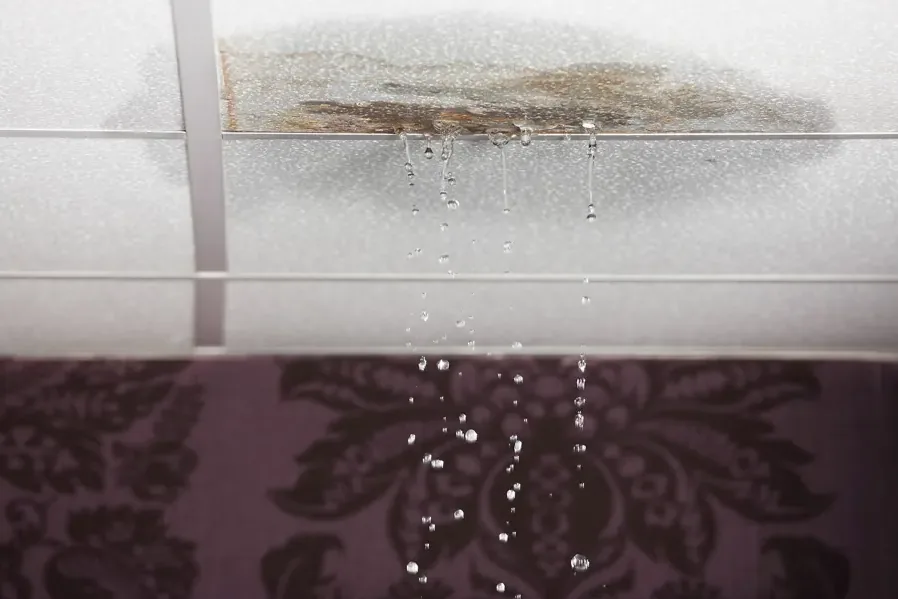
Water drips from a stained seam in a white ceiling
Right now

First steps for ceiling leak water damage in Stillwater

  1. 1

    Close the room below

    Keep occupants and pets away from softened ceiling board until overhead conditions have been evaluated.

  2. 2

    Avoid wet electrical fixtures

    Leave switches and ceiling mounted equipment untouched when water could have reached their connections.

  3. 3

    Identify the upper source

    A suitable trade should investigate the plumbing or roofing without adding water to the affected cavity.

  4. 4

    Request cavity measurements

    Include intersecting walls and the floor below when defining the ceiling loss.

Ceiling Leak Water Damage: the trade facts

First priorityClear the room below
Possible originPipe, drain or roof entry
Access choiceOpen only confirmed wet areas
Drying evidenceBoard and framing measurements

Ceiling water deserves caution before a ladder, bucket or inspection tool enters the room. Saturated board can lose strength, and water near fixtures can create an electrical concern. Occupants should remain outside the active area until access is evaluated.

Start above the stain when possible

The pattern on the painted face does not always sit directly below the origin. Water may cross framing or insulation before reaching a joint. A technician checks the room above, accessible plumbing and roof conditions as relevant, then maps the ceiling outward from the visible mark. The source provider handles the pipe, drain or roof repair.

Typical cost ranges

What does ceiling leak water damage cost in Stillwater, MN?

Ceiling leak mitigation ranges from $900 to $13,500. Insulation removal, protection below the work area and moisture traveling into adjoining walls affect the written scope and estimate.

Contained area

$900 to $4,400

  • Visible stain assessment
  • Protected access opening
  • Ceiling moisture readings

Several materials

$4,400 to $9,000

  • Insulation removal control
  • Wall intersection checks
  • Several room drying

Large or contaminated loss

$9,000 to $13,500

  • Extensive ceiling access
  • Complex debris containment
  • Detailed framing records

Ranges are typical figures, not a quote. The category of water, the square footage, the material class and how fast drying started move the number most. The water damage cost calculator gives a closer range.

Step by step

How ceiling leak water damage is handled in Stillwater

The tech who does the walkthrough finds the source and maps the moisture before equipment goes down, and the drying team keeps it running until the readings say dry.

  1. 1

    Secure the room

    Technicians evaluate hanging material and overhead water before placing protection over accessible contents and the floor below.

  2. 2

    Trace the upper origin

    Observations above the stain connect the visible mark with a plumbing, drain or roof entry point.

  3. 3

    Open a measured area

    Contained removal exposes damaged board and wet insulation while limiting disturbance to sound portions of the ceiling.

  4. 4

    Test board and framing

    Readings distinguish the retained ceiling surface from concealed framing and wall junctions before those spaces are closed.

Release trapped water under protection

Containment and floor protection are placed before a controlled opening. Small access can relieve collected water and show insulation or framing condition without removing an entire ceiling. Workers document the opening, collect loose material and keep debris out of neighboring rooms. Clean, stable board beyond the wet boundary can remain.

Check the wall intersections and floor below

Water at a ceiling often continues into a wall or drips onto flooring and contents. Moisture readings extend down vertical corners and around fixtures, then cover the surface below. Around North Hill, South Hill and Downtown Stillwater, each building needs its own cavity map rather than a conclusion based on age or location.

Dry the exposed assembly from both sides

Air movement serves surfaces that are safe to retain, while dehumidification controls vapor in the room. Insulation that blocks access or cannot be cleaned may require removal. The Hudson ceiling leak service describes the main response. Final readings distinguish the face of the board from framing hidden behind it.

Keep the cause and mitigation records separate

A useful file identifies the source finding, the provider responsible for correction and the interior materials treated. Photographs show the ceiling before and after access. Daily logs record equipment changes and fixed measurement points. The closing notes state which cavities were reachable instead of claiming conditions beyond the inspection.

Observe the cavity after source repair. Once plumbing or roofing work is complete, the opened area is checked for renewed dripping before finishes close. This short observation links the repair status with the drying assignment and helps avoid trapping a continuing release. It also gives technicians a clear point from which later framing measurements can be compared.

  • Keep people away from bowed, cracked or actively dripping board.
  • Do not touch wet lights, fans or other electrical fixtures.
  • Photograph the mark before source repair changes the pattern.
  • Include walls, flooring and contents in the moisture survey.

The Stillwater restoration hub connects ceiling losses in ZIP 55082 with roof leak, pipe damage and structural drying support. Service around West Stillwater, Millbrook and Oak Glen follows the confirmed source and observed assembly.
Stillwater, MN service area
Service area

Ceiling leak water damage across Stillwater and nearby towns

Ceiling leak assessments are available in Millbrook, Oak Glen, North Hill and West Stillwater within ZIP 55082, covering overhead cavities and rooms beneath a verified water source.

The same service nearby: ceiling leak water damage in Hudson, Maplewood, Vadnais Heights.

Water damage restoration in Stillwater · every town covered

Questions and answers

Ceiling Leak Water Damage questions in Stillwater, MN

Is a ceiling stain always below the leak?

No. Water can follow framing, insulation or a pipe before appearing at a joint in the finished board. Inspection should include accessible areas above and the path between the suspected source and visible mark. The visible stain remains one piece of the evidence.

Should a bulging ceiling be punctured?

Occupants should stay clear and leave access to trained personnel. The board can be heavy or unstable, and water may be near electrical fixtures. Controlled release requires floor protection and a safe working position. Protection is arranged before trapped water is released.

Who repairs the source above the ceiling?

A plumber handles a failed pipe or drain, and a roofing provider handles roof entry. Restoration personnel protect the room, remove water damaged material when needed and dry the interior assembly after source control. The source repair receives its own documented status.

Can wet ceiling board dry without removal?

Stable clean board may remain when both faces or the cavity can receive drying and technicians can measure progress. Sagging, contaminated or inaccessible material may need a limited opening or controlled removal. Cavity access must still support reliable measurements.

Why inspect the walls below the stain?

Gravity can move water from the ceiling into wall cavities, trim and flooring. A complete survey follows those intersections so the response does not stop at an overhead mark while lower layers remain wet. The inspection includes flooring beneath active dripping.

How is the ceiling declared dry?

Technicians compare repeated readings from board and framing with an unaffected reference area. Room humidity provides context, but final material values and the documented accessible boundary support equipment removal. Any unreachable section is noted in the closeout.

Still dealing with it?

An overhead stain can hide a longer water path.

(888) 399-5795Arrange a ceiling cavity survey
24/7 emergency dispatch

Ceiling water in Stillwater? Keep the space below clear.

A restoration team can protect the room, trace the upper source, create measured access and verify drying through the retained assembly. Marked readings cover board, framing and connected lower finishes.

(888) 399-5795Check the ceiling path
Call (888) 399-5795 · 24/7