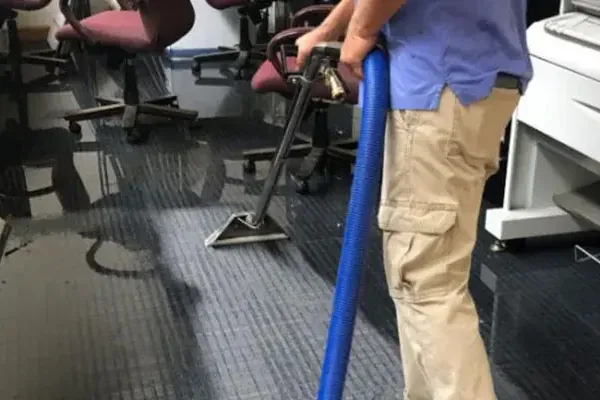
A basement business cannot treat water as a simple floor cleaning problem. Stillwater has older commercial buildings with basement spaces Downtown, and local records show both high St. Croix River water and a water main break reaching streets and a basement restaurant.
Key takeaways
- Close the basement until electrical, access, and structural conditions are checked.
- Record stock by zone before moving it, and keep wet goods away from clean inventory.
- Outdoor flood water and water from a main break require a contamination focused plan.
- Extraction should expose floor edges, wall bases, storage platforms, and utility areas.
- A phased business plan can protect unaffected operations while wet areas are treated.
Why a basement business needs controlled access
Commercial lower levels often combine storage, mechanical equipment, records, and work areas. Water removes the usual visual boundaries between them.
It may conceal steps, cords, floor openings, displaced stock, and debris.
The entrance should be restricted until a responsible person assesses electrical exposure and the condition of the stairs and ceiling. Staff should not descend to retrieve stock when the route is wet or when water surrounds powered equipment.
A commercial water damage response begins by defining zones. The affected basement, the transfer route, a clean staging area, and operating space each need a clear purpose so people and contents do not spread residue.
- Post a temporary barrier at every basement access point.
- Keep customers and unassigned staff outside the work zone.
- Choose a dry area for records and salvageable inventory.
- Create one controlled route for debris and equipment.
Two local events show different sources
High St. Croix River water covered areas along the banks in June 2024 after recent rain. A different event occurred on June 12, 2024, when a Downtown water main break flooded streets and a basement restaurant.
Those events can look similar after water reaches a basement, but source information still matters. River water has traveled outdoors.
Water from a failed public main may also pass through streets, soil, or building openings before reaching the lower room. Neither should be treated like a small clean sink spill.
Event history is not a claim about a current property. It provides a reason to ask precise questions: where did the water enter, what did it contact, did the source stop, and what remained wet after the visible level dropped?
The river valley, hills, and bluffs create a recognizable local setting, yet elevation by itself does not decide a cleanup. A basement crew needs direct evidence from the doorway, floor, wall bases, utility openings, and contents rather than a conclusion based only on where the building sits.
Inventory by condition instead of by value
The first inventory pass should describe exposure. Separate goods that stayed above the water, washable hard items with surface contact, absorbent products that became wet, and packaged stock whose contents cannot be confirmed.
Photograph shelves before removal. A wide view preserves location, while closer views record water marks, packaging failure, labels, and quantities.
Items moved for safety should be tagged to their original zone.
The owner, cleanup team, and any claim representative can later discuss value and disposition. During the wet phase, the most useful record explains what touched water and how cross contamination was prevented.
Time sensitive stock can be flagged without mixing it into the cleaning decision. The condition record should remain consistent even when business priorities affect which salvageable group is handled first.
- Mark shelving rows or storage zones before contents move.
- Keep untouched goods physically apart from wet packaging.
- Photograph identifying labels without relying on memory.
- Record why discarded material could not be cleaned or dried.
Extraction must reach edges and hidden collection points
A pump can lower standing water while leaving shallow pools beneath shelving, equipment bases, floor mats, and raised platforms. Fine extraction passes address those smaller collection points after the main volume is gone.
A basement flood cleanup also looks upward from the floor. Wall finishes can absorb water at their lower edge, and storage fixed against a wall can block evaporation.
Utility penetrations and stair enclosures deserve direct inspection.
Water removal should proceed in a way that preserves safe access. Hoses, cords, and removed material need organized routes.
A crowded stair can become the largest immediate hazard even after the water level falls.
- Clear a stable path before moving extraction equipment downstairs.
- Work beneath movable shelving and around equipment feet.
- Inspect wall bases behind stock and display material.
- Collect remaining debris before detailed cleaning begins.
Cleaning and drying are separate passes
Extraction changes the room from flooded to visibly clear. It does not remove residue from surfaces or moisture from absorbent material.
The cleaning pass removes soil and affected porous debris; the drying pass manages water held within the remaining assembly.
Water extraction should therefore be followed by a new inspection. Workers can see the true floor condition, locate wall staining, and decide where a finish prevents access to wet material.
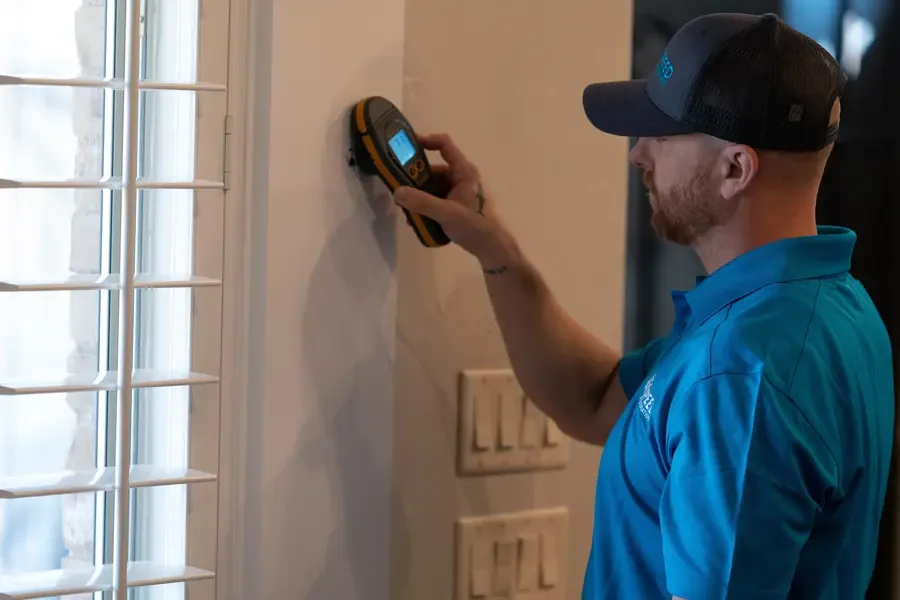
Drying equipment should serve the mapped wet area rather than occupy convenient open spots. Moisture records at consistent points show whether the basement is responding and whether storage or fixed equipment shields a damp section.
- Clean hard surfaces after bulk water and debris are removed.
- Discard absorbent material that cannot be restored safely.
- Place equipment around the actual wet boundaries.
- Recheck shielded corners and enclosed utility spaces.
Reopen the business by zones
A basement closure does not always require every unaffected operation to stop. A written zone plan can keep staff and customers away from work areas while allowing activity in verified dry spaces, if access and building systems remain safe.
The plan should name who can enter, where salvageable goods are held, how waste leaves, and what must be complete before a zone returns to use. Reopening based only on the absence of a puddle overlooks cleaning and concealed moisture.
The final record should include source information, inventory photographs, extraction notes, cleaning details, moisture readings, and repair needs. That package helps the owner explain the interruption and the basis for each recovery decision.
Questions
Should employees move basement inventory before documentation?
Only items creating an immediate safety problem should move before initial photographs when conditions allow safe documentation. Wide views and zone labels preserve context that may be lost once shelves are cleared.
Is river water handled like a plumbing spill?
No. River water has outdoor exposure and calls for contamination controls, removal decisions, cleaning, and separation from unaffected goods. The actual path through the building also needs to be recorded.
Can a basement reopen after standing water is extracted?
Extraction is one stage. Cleaning, moisture measurement, safe access, a building system assessment, and any needed material removal should support the decision before a work zone returns to normal use.
How can an owner keep part of the business operating?
A zone plan can separate verified dry operations from the controlled work area. It should define staff routes, equipment boundaries, contents staging, and the conditions required for each area to reopen.