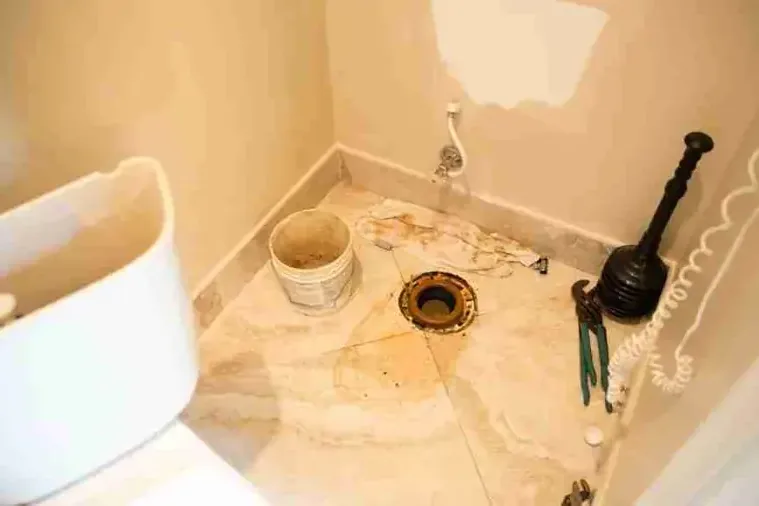
A sewage backup creates two parallel needs: the wastewater system needs attention, and the affected room needs containment. New Richmond Utilities asks sewer customers to contact the utility before a plumber or other service professional, so the first call is part of the cleanup record.
Key takeaways
- Keep occupants and animals out of every room touched by wastewater.
- Contact the municipal utility before a plumber or other service professional.
- Do not promise reimbursement because the local no fault policy only may apply.
- Photograph fixtures, water edges, and damaged material from a safe position.
- Remove contaminated porous material and clean remaining hard surfaces systematically.
Make the first call in the local order
New Richmond Utilities publishes sanitary sewer backup information and asks customers to contact the utility first. That instruction gives the customer a clear starting point before a plumber or restoration contractor changes the scene.
The caller should describe what is visible without guessing at ownership or fault. Useful observations include which fixture overflowed, whether wastewater is still rising, which rooms are affected, and whether neighboring fixtures show a change.
New Richmond operates a wastewater department. The first report should describe where sewage appeared, whether it is still rising and which drains are affected, so the utility can assess the event.
- State the affected fixture and room.
- Describe whether the water level is rising or stable.
- Note other fixtures that changed at the same time.
- Record the contact and instructions received.
Contain the room while the system is assessed
Wastewater should not be tracked into dry rooms. Close the door when possible, establish a boundary at an open entry, and keep household traffic away from the floor and affected contents.
Electrical equipment surrounded by water should not be touched. A person should also avoid reaching behind a fixture, lifting wet carpet, or handling absorbent debris without appropriate protection.
The initial boundary supports sewage backup cleanup by giving workers one controlled entry and exit. Equipment, debris, and cleaned items can then move without crossing paths.
Occupants can use the local service hub to identify the relevant cleanup page without reentering the affected room. Information gathering should happen from a clean location while the wastewater area remains closed to normal household traffic.
- Block access for children, visitors, and animals.
- Keep clean towels and household tools outside the area.
- Choose a separate route for sealed debris.
- Do not use fans that can spread droplets or residue before containment.
Document what happened without assigning fault
A simple event log should begin with discovery. Note what was seen, which fixture was involved, what actions were taken, and when the utility was contacted.
Photographs from a dry position can show water boundaries and affected finishes.
The utility has a no fault reimbursement policy that may apply when it is contacted first. The word may is essential.
A policy is not a promise that a particular loss will be paid, and a cleanup contractor should not make that decision for the utility.
Keep damaged items in place long enough for safe photographs when conditions allow. If an item must move to stop spread or open access, label its original room and record the reason.
The log should preserve exact instructions rather than paraphrase them later from memory. A named contact, contact time, event description, and next action create a useful sequence for the property owner, plumber, cleanup team, and policy decision maker.
Remove wastewater and porous debris in a controlled sequence
Bulk wastewater removal begins after source coordination and hazard control. The crew works from the boundary inward, limiting contact with unaffected surfaces and keeping hoses and tools within the planned route.
Porous materials that absorbed sewage often cannot be cleaned reliably in place. Wet carpet cushion, damaged wall material, and absorbent contents may require removal based on contact, condition, and accessibility.
Removal should expose the boundary rather than continue without evidence. Once a wet porous layer is out, workers can inspect the surface beneath it, update the moisture map, and stop when the next material is clean, stable, and accessible for treatment.
Hard, nonporous surfaces can move through gross soil removal, detailed cleaning, and the appropriate treatment. Each pass uses clean tools or a controlled tool change so residue is not placed back onto a completed surface.
- Remove bulk liquid before handling loose debris.
- Seal affected porous material before moving it through the building.
- Clean from the least affected edge toward heavier soil.
- Keep completed surfaces separate from active removal areas.
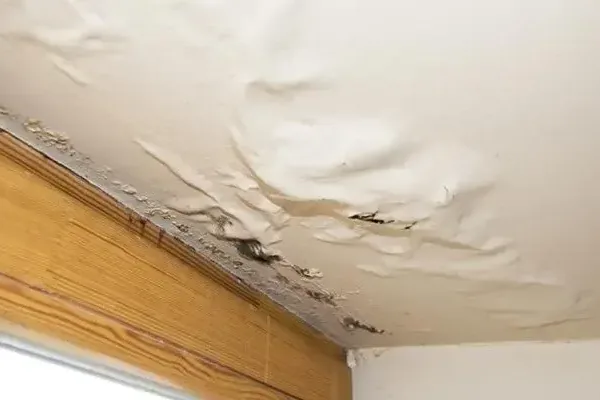
Inspect beyond the fixture that overflowed
The fixture is the visible release point, but wastewater can spread under a nearby floor finish, into the lower edge of a wall, or beneath a cabinet base. The inspection should follow every wet seam and transition.
A moisture map after removal helps distinguish the cleaned surface from damp material that still needs access. The crew should check opposite wall faces, adjoining floor edges, and a lower room when water could have moved through the assembly.
Service around Knowles Avenue, Fourth Street, County Road A, County Road CC and County Road K starts with a report of the affected drains and rooms. Onsite evidence remains the basis for the scope.
Dry the remaining assembly after cleaning
Drying equipment should not begin by blowing across untreated wastewater. After contaminated material is removed and remaining surfaces are cleaned, air movement and dehumidification can address moisture in the restorable assembly.
The local structural drying service should track readings at repeat locations. A floor edge behind a cabinet or a wall base beside the release may need direct access if progress stalls.
The final record connects the utility contact, source findings, photographs, removed material, cleaning steps, and drying measurements. It should state what occurred without promising reimbursement or assigning ownership beyond confirmed information.
- Begin drying only after the work area has been cleaned for that stage.
- Map hidden edges as well as open floor surfaces.
- Assess a stalled area for blocked access.
- Keep utility communication with the cleanup record.
Questions
Who should a sewer customer contact first?
Local utility information asks the customer to contact New Richmond Utilities before a plumber or other service professional. The customer should record the contact and follow the instructions provided for the event.
Does contacting the utility promise reimbursement?
No. The published information says a no fault reimbursement policy may apply when the utility is contacted first. Eligibility and payment remain policy decisions for the responsible organization.
Can household fans dry a sewage backup?
Fans should not spread air across untreated wastewater. Containment, bulk removal, porous material decisions, cleaning, and surface treatment come before controlled drying of the remaining assembly.
Why inspect beyond the overflowing fixture?
Wastewater can travel beneath finishes and into wall edges before the visible water is removed. A wider moisture check helps locate material that needs cleaning, removal, or drying access.