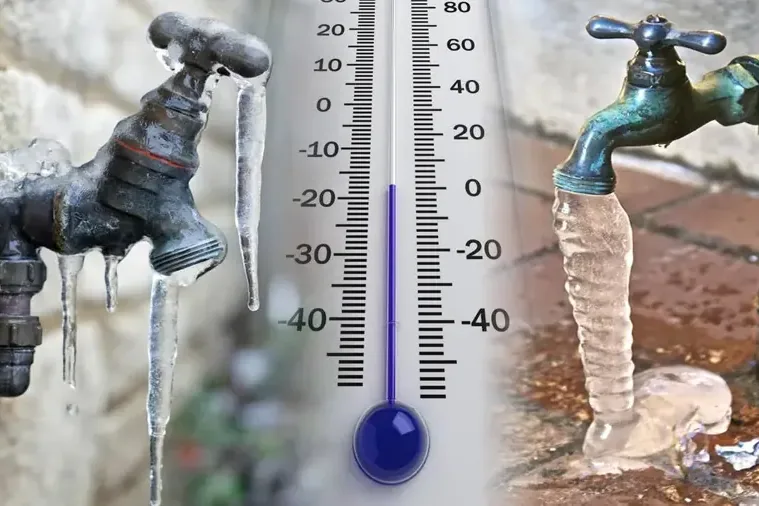
The loudest part of a freeze break may be the water striking a wall or floor, but the decisive action happens at the shutoff. A prepared Hudson property owner can stop new flow, protect the wet rooms, and preserve evidence for a focused cleanup.
Key takeaways
- Locate the building shutoff before cold weather creates an emergency.
- Close the supply only when the route and valve can be reached safely.
- Survey rooms beside and below the break instead of stopping at the first puddle.
- Open finishes only where readings or physical changes show a need.
- Coordinate plumbing repair, drying, and any permit work as separate tasks.
The shutoff is the first decision point
A split pipe can continue releasing water until the supply is controlled. The person who knows the shutoff location and has a clear path to it can reduce the amount that reaches floors, cabinets, wall cavities, and rooms below.
Safety comes before speed. A valve should not be approached through standing water near energized equipment, a sagging ceiling, or a damaged floor.
When the approach is unsafe or the valve will not turn, the appropriate utility or qualified trade professional should control the source.
The response to frozen pipe water damage begins with a simple observation: did closing the valve stop the sound and visible flow? If water continues, another source or a valve problem may exist.
Every occupant who may be present during cold weather should know the shutoff location and the safe route to it. A short written note near a dry access point can prevent confusion when water noise makes calm communication difficult.
- Identify the main shutoff and room valves during normal conditions.
- Keep stored items from blocking access to the valve.
- Use a flashlight from a dry area before entering a dark room.
- Note the time when the supply was closed.
A freeze break can wet more than one room
Water follows openings and gravity. It can run along framing, pass beneath a floor covering, emerge at a baseboard, or stain a lower ceiling far from the failed section.
The room containing the break is only the starting point for the survey.
Begin at the source and move outward in rings. Check the opposite face of the wall, the floor transition at each doorway, built in cabinets, and the room below.
Look for gloss changes, swelling, loose trim, darkened seams, and dripping from fixtures.
A burst pipe cleanup should record both positive findings and dry boundaries. That map prevents two common errors: overlooking a concealed wet pocket and removing finish from an area that readings show was not affected.
- Inspect the wall face opposite the failed pipe.
- Check floor edges beneath cabinets and behind movable furniture.
- Look at ceilings and trim in the space below.
- Mark the last elevated reading in each direction.
Valley and bluff locations do not replace inspection
Downtown Hudson and Old Town sit in the river valley, while The Hill, business parks, and industrial parks occupy higher bluffs. Those confirmed land patterns help describe the community, but they do not reveal which pipe froze inside a building.
A break depends on the exact pipe location and the conditions around it. No citywide pipe material or standard building assembly is confirmed, so the sound approach is to inspect the failed section and the actual water path rather than assume what is inside every wall.
Photographs should show the source area before repair, the surrounding finishes, and the wet rooms. A plumber can document the failed component while the restoration crew records how released water affected the building materials.
Extraction comes before detailed drying
Towels can catch a small surface spill, but they cannot remove water held beneath flooring or inside an absorbent wall layer. Bulk extraction reduces the load that drying equipment must handle and exposes edges that need closer measurement.
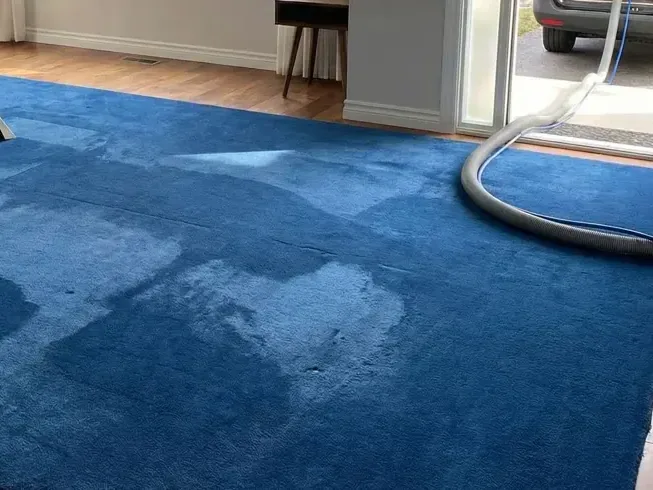
Workers first remove accessible pooled water. They then address wet carpet and cushion, hard surface seams, cabinet toe spaces, and other locations where water can remain protected from normal room air.
Material condition matters. A clean supply release is different from outdoor flood water, yet damaged or delaminated material may still need removal.
The decision should rest on cleanliness, strength, access, and drying progress rather than a single rule for every room.
- Extract pooled water before placing air movement equipment.
- Lift or release finish edges when access is needed underneath.
- Remove material that has lost physical integrity.
- Protect dry rooms from wet tools and removed debris.
Open the smallest area that solves the moisture problem
A wall opening can provide access for inspection, wet insulation removal, pipe repair, and evaporation. It should have a defined purpose.
Random openings increase reconstruction without proving that a hidden area is dry.
Moisture readings help choose the location and extent. The crew can compare the source wall, adjoining bays, base plates, floor edges, and a dry reference area.
If a cavity remains wet while exposed surfaces improve, targeted access may be necessary.
Structural drying continues as a measured process. Equipment position, air paths, dehumidification, and daily readings should change when the recorded response shows that a section is lagging.
Repair and permits follow the emergency work
Stopping water and removing wet material are emergency actions. Restoring the failed pipe and rebuilding the opened assembly are later scopes with their own trade responsibilities.
Hudson permits cover plumbing, building, electrical, HVAC, and commercial work. Plumbing changes and basement finishing are among projects that require permits.
The contractor planning permanent repair should identify what applies to the exact work before finishes close the area.
A complete handoff includes the source record, plumber findings, moisture map, material removal notes, and final readings. That sequence allows the repair team to see what was affected and why each opening was made.
- Keep emergency photographs with the later repair documents.
- Confirm the wet assembly reached its drying goal before closure.
- Match permit questions to the actual plumbing and finish scope.
- Test restored fixtures after repair while access remains available.
Questions
Should a frozen pipe be thawed before the shutoff is found?
The shutoff should be identified first because a frozen section may begin releasing water as it opens. If the valve or pipe cannot be reached safely, a qualified professional should manage the source.
Why check the room below a pipe break?
Water can move through joints, openings, and framing before appearing at a lower ceiling or wall edge. A lower room may hold moisture even when the source room contains the largest puddle.
Does every wet wall need to be removed?
No. Readings, material condition, cleanliness, and access determine the decision. Some assemblies can dry through targeted access, while damaged material or trapped insulation may require limited removal.
When does plumbing repair begin?
Source control and temporary stabilization come first. Permanent repair can proceed once the failed section is accessible and the plumber understands the condition, with permit requirements addressed for the actual scope.